Apple’s DarkSword patch exposes the cost of legacy device support
Apple’s DarkSword patch exposes the cost of legacy device support📷 Source: Web
- ★DarkSword exploits targeted unpatched older iPhones
- ★Apple’s rare legacy update signals shifting security priorities
- ★State-sponsored hacking tools now threaten consumer devices
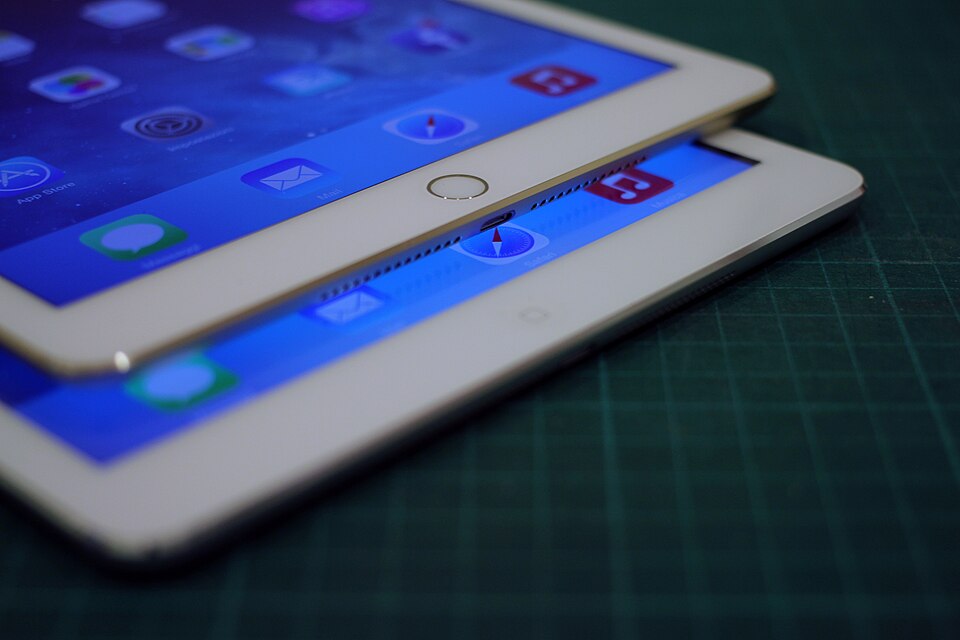
Apple just did something it rarely does: pushed a security update for devices it officially abandoned years ago. The iOS 12.5.7 update targets older iPhones and iPads—models like the iPhone 5s and iPad Air—shielding them from DarkSword, a set of leaked hacking tools tied to advanced cyberespionage campaigns. This isn’t just another patch; it’s an admission that legacy hardware, still clutched by millions, has become a liability no one can ignore.
The DarkSword tools, first surfaced in leaks last year, exploit vulnerabilities Apple had presumably left behind. Their circulation in underground markets—reported by cybersecurity researchers—turned theoretical risks into active threats. For users clinging to older devices, this update isn’t about new features; it’s about staving off attacks that could silently exfiltrate data or turn phones into surveillance tools. The message is clear: even ‘obsolete’ hardware now sits in the crosshairs of nation-state-level hackers.
What’s striking isn’t just the patch’s existence, but its timing. Apple’s move follows a year of escalating pressure on tech giants to extend support for aging devices, fueled by right-to-repair advocacy and regulatory scrutiny. Yet this update feels less like corporate goodwill and more like damage control—a tacit acknowledgment that abandoning devices doesn’t make them disappear.

Apple’s DarkSword patch exposes the cost of legacy device support📷 Source: Web
The patch that admits older hardware isn’t obsolete—just dangerously exposed
The real-world impact splits into two camps. For the millions still using older iPhones—often in emerging markets or as hand-me-downs—the patch is a lifeline. These devices, unable to run modern apps securely, now face threats that outpace their hardware. DarkSword’s exploits, designed to bypass Apple’s usual defenses, could let attackers impersonate legitimate apps or hijack iCloud backups. The update buys time, but it’s a stopgap: iOS 12’s core architecture remains fundamentally outdated.
For the industry, this raises uncomfortable questions. Apple’s walled garden reputation relies on swift, universal updates—but legacy devices break that model. Competitors like Google, which struggles with Android fragmentation, now face pressure to match Apple’s retroactive fixes. Meanwhile, cybersecurity firms note a trend: leaked government-grade tools, once reserved for high-value targets, are trickling down to common criminals. The patch, then, isn’t just about fixing bugs—it’s about containing a new class of threat that treats every device as a potential entry point.
The update’s silence on specific models or exploit details speaks volumes. Apple’s opaqueness, often criticized, here serves a purpose: limiting attackers’ ability to reverse-engineer the fixes. But it also leaves users guessing. How many devices remain vulnerable? Will this become a pattern, or a one-off crisis response? The answers will shape whether Apple’s ecosystem can claim true security—or just security for those who can afford the latest model.