Pininfarina’s first phone is a 7,000mAh satellite-calling beast
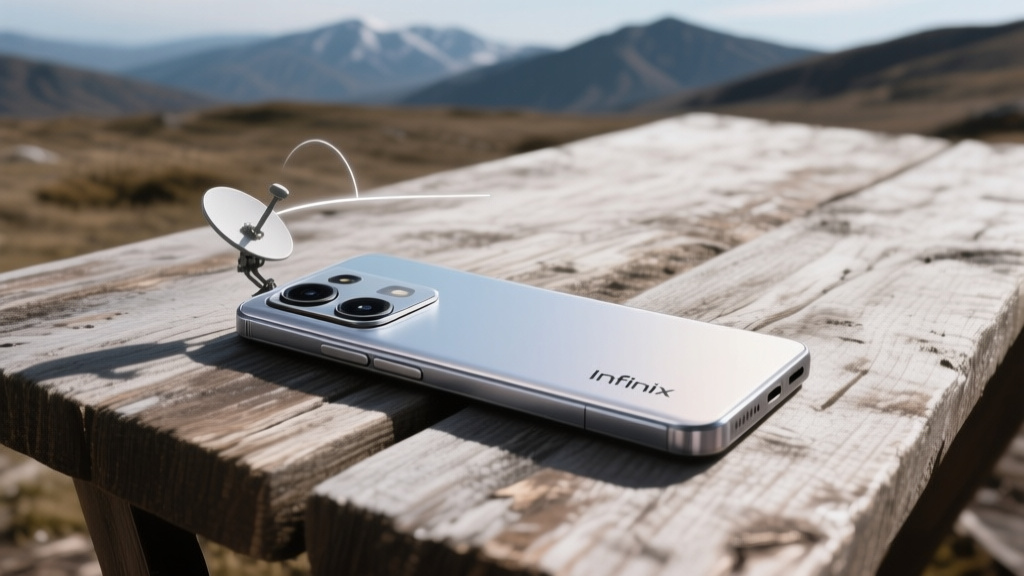
A top-down overhead bird's-eye view of the Infinix Note 60 Ultra lying on a weathered wooden table in a remote outdoor setting, its aluminum frame📷 Photo by Tech&Space
- ★First Pininfarina-designed smartphone with 200MP camera
- ★Two-way satellite calling across multiple countries
- ★7,000mAh battery meets high-strength aluminum frame
Pininfarina, the Italian design house behind Ferraris and Maseratis, just entered the smartphone arena with the Infinix Note 60 Ultra. This isn’t just a branded shell: the phone’s Uni-Chassis Camera Module and aluminum frame carry Pininfarina’s signature precision. But the real surprise is under the hood—a 200MP main camera and a 7,000mAh battery, specs that outgun many pricier rivals.
The satellite calling feature is the standout. Unlike Apple’s Emergency SOS or Huawei’s one-way messaging, Infinix claims two-way voice calls across multiple countries. For travelers or remote workers, this could eliminate the need for a separate sat phone. Yet the question remains: will the network reliability match the hardware ambition?
Infinix isn’t a household name in Western markets, but its aggressive spec sheet—coupled with Pininfarina’s cachet—could shift perceptions. The Note 60 Pro already proved the brand can deliver mid-range punch; the Ultra pushes into flagship territory without the flagship price tag.
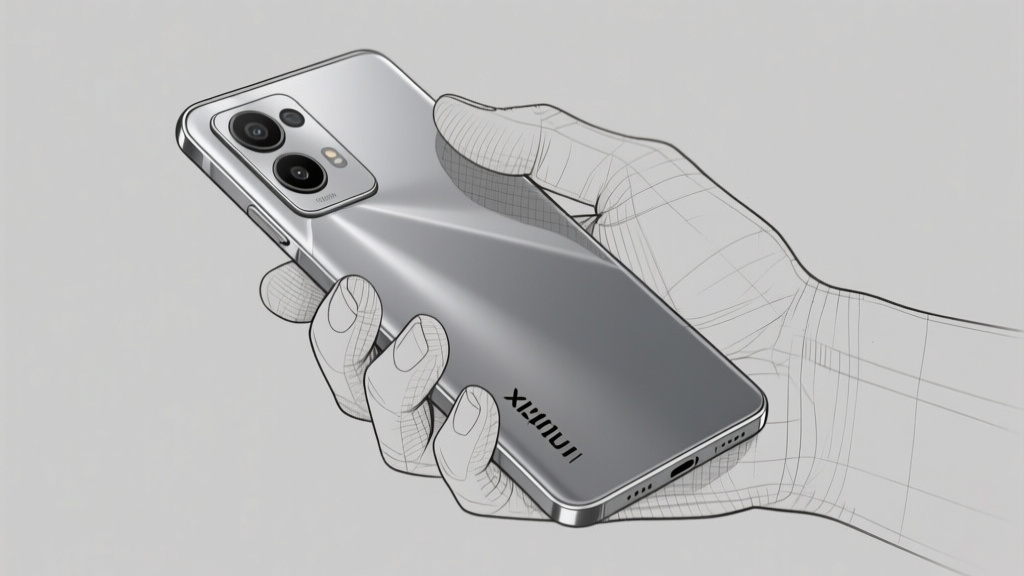
A close-up, blueprint-style illustration of a hand attempting to hold the Infinix Note 60 Ultra, emphasizing its thickness and weight. The hand is📷 Photo by Tech&Space
The real-world gap between luxury design and practical utility
The 7,000mAh battery is another bold move. Most phones top out at 5,000mAh, and even ‘ultra’ devices like the Samsung Galaxy S24 Ultra settle for 5,000mAh with faster charging. Infinix’s bet? That users will trade charging speed for all-day (or multi-day) endurance. The tradeoff: a thicker, heavier device—something Pininfarina’s design may or may not mitigate.
Then there’s the camera. A 200MP sensor sounds impressive, but real-world performance hinges on software tuning. Infinix’s track record here is mixed; the Note 30 series showed promise but lagged behind Google or Samsung in computational photography. If the Ultra nails low-light processing, it could be a steal. If not, it’s just another spec sheet flex.
The bigger story isn’t the phone itself—it’s the signal. A luxury design firm partnering with a budget-conscious brand suggests the industry is recalibrating. Flagship features are trickling down faster than ever, and Infinix is betting that ‘premium’ doesn’t have to mean ‘expensive.’