Star Citizen’s Wholesome Hype Hides a Hard Truth
Star Citizen’s Wholesome Hype Hides a Hard Truth📷 Source: Web
- ★First-time players highlight community warmth
- ★Star Citizen’s costs outweigh its gameplay
- ★Early access fatigue meets niche appeal
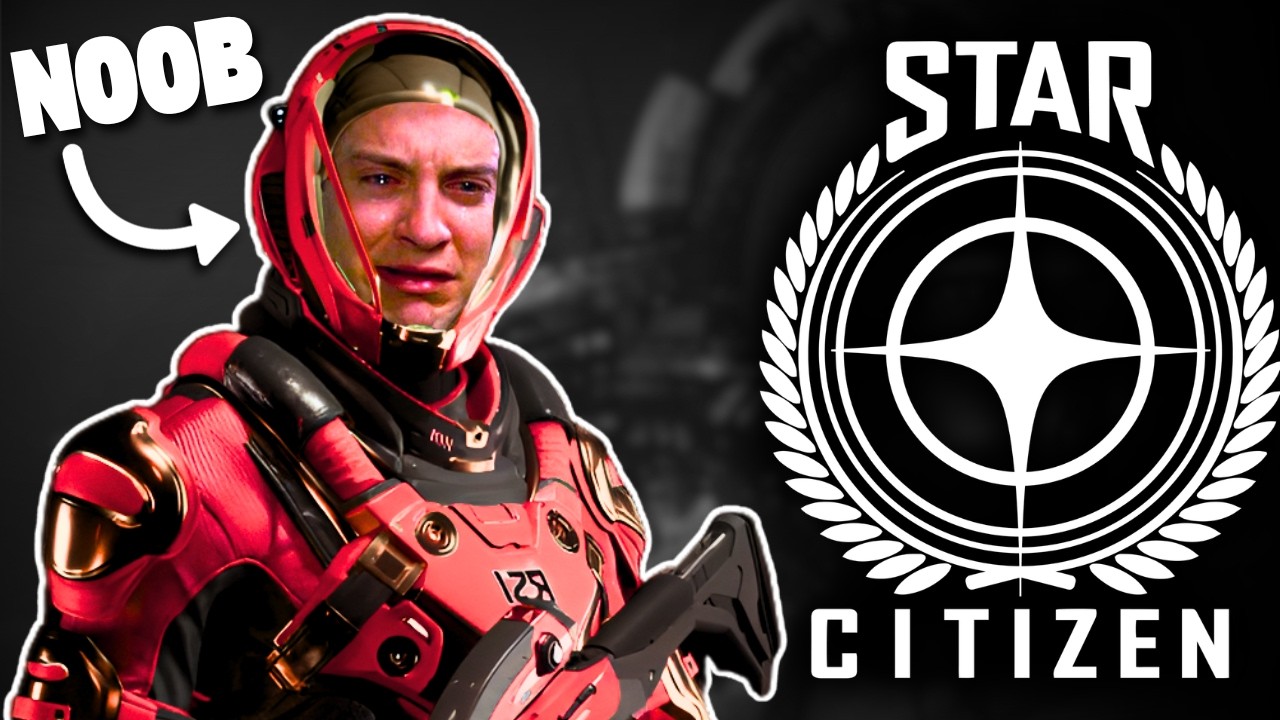
JonesE’s YouTube video, I Played Star Citizen For The First Time (Incredibly Wholesome), is the latest in a long line of content celebrating the game’s community. The 30-minute clip focuses on the welcoming atmosphere and collaborative spirit that greets newcomers—a rare bright spot in an industry often plagued by toxicity. Yet, for all the wholesome moments, the video also underscores a persistent tension: Star Citizen’s astronomical development costs and prolonged alpha phase have left it struggling to justify its existence beyond its passionate fanbase.
Roberts Space Industries (RSI) has raised over $600 million since 2012, making Star Citizen one of the most expensive games ever developed. The financial backing is undeniable, but the gameplay remains uneven. The video’s narrator, a first-time player, spends significant time admiring the universe’s scale and the kindness of veteran players—yet the actual mechanics, from clunky ship controls to repetitive missions, are glossed over. This isn’t an accident. RSI has built its marketing around aspiration, not execution, banking on players’ willingness to overlook flaws in exchange for a shared dream.
The game’s community is indeed its strongest asset. Discord servers buzz with activity, and veteran players go out of their way to mentor newcomers. But this goodwill is a double-edged sword. It masks the fact that Star Citizen, despite its funding, still lacks the polish and depth of far less expensive AAA titles. The question isn’t whether the community is wholesome—it’s whether that’s enough to sustain a game in perpetual development.
The gap between Star Citizen’s reputation and its real-world value
Star Citizen’s situation highlights a broader shift in how games are funded and marketed. Early access and crowdfunding have allowed niche projects to thrive, but they’ve also created a class of titles that prioritize potential over delivery. For every Elden Ring or Baldur’s Gate 3—games that justify their long development cycles with masterful execution—there’s a Star Citizen, a project that survives on hype and goodwill rather than tangible progress.
The practical impact for users is clear: playing Star Citizen today means accepting its limitations. The game’s persistent universe is impressive on paper, but in practice, it’s a collection of disjointed systems held together by player enthusiasm. Meanwhile, competitors like Elite Dangerous and No Man’s Sky offer similar sci-fi fantasies with far fewer bugs and a fraction of the cost. The latter has even surpassed Star Citizen in active players, despite starting with a fraction of the hype.
The real signal here isn’t that Star Citizen has a wholesome community—it’s that the game’s business model is fundamentally unsustainable for most players. The exception isn’t the rule. RSI’s ability to keep the lights on rests on a small subset of ultra-loyal backers who are willing to overlook the game’s flaws. For everyone else, Star Citizen remains a fascinating case study in how far a dream can stretch before reality catches up.
The ecosystem effects are already visible. Streamers and content creators who once uncritically praised the game are now scaling back their coverage, focusing instead on titles with more immediate payoffs. The tech press, too, has grown weary of Star Citizen’s endless promises, shifting attention to games that deliver on their ambitions. The real bottleneck isn’t the game’s marketing—it’s the gap between what players are sold and what they actually get.