AMD’s 208MB cache gambit leaves Intel scrambling
AMD’s 208MB cache gambit leaves Intel scrambling📷 Source: Web
- ★208MB total cache in Ryzen 9 9950X3D2
- ★Intel scraps Core Ultra 9 290K Plus
- ★5-10% gains in niche rendering workloads
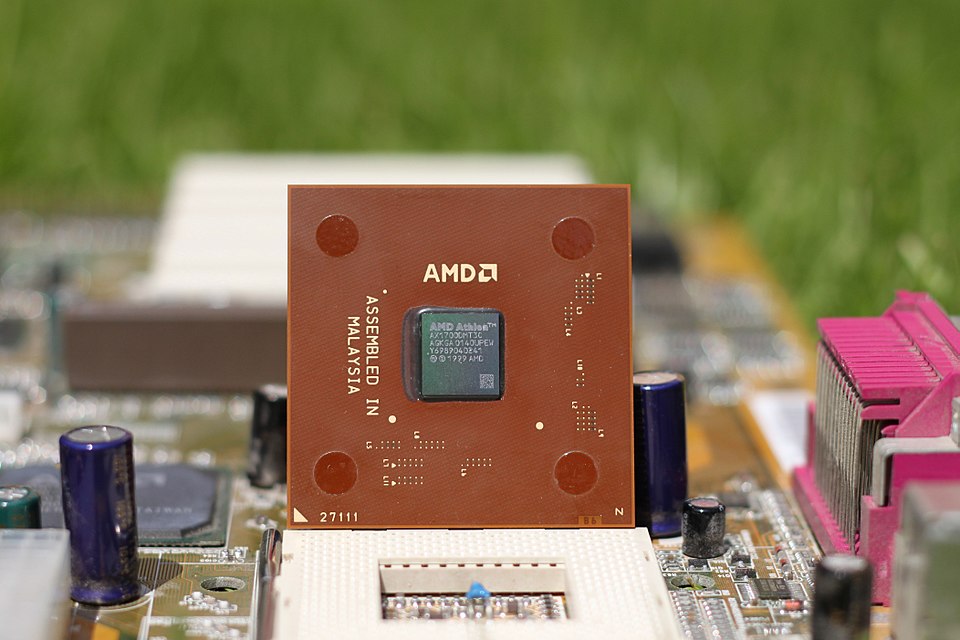
AMD’s new Ryzen 9 9950X3D2 isn’t just another chip—it’s a bet on brute-force cache to outmaneuver Intel at its own game. By stacking V-Cache on both CCDs, AMD has shoved 208MB of total cache into a single processor, a move that Steam News confirms doubles down on a strategy Intel abandoned without a fight. The Core Ultra 9 290K Plus, Intel’s would-be answer, is now officially scrapped, leaving AMD with a rare uncontested high-end play.
For content creators and render artists, the pitch is simple: 5% to 10% faster performance in tools like Blender or Unreal Engine, according to AMD’s benchmarks. But benchmarks are only half the story. The real question is whether that cache translates to smoother timelines, fewer dropped frames, or just a higher power bill. Early community tests suggest the gains are real—but narrowly focused on workloads that thrive on low-latency memory access, like particle simulations or volumetric rendering.
This isn’t the first time AMD has played the cache card—its 7950X3D proved V-Cache could move the needle in specific scenarios. But 208MB is a different league. It’s not just a technical achievement; it’s a deliberate jab at Intel’s Core Ultra lineup, which has struggled to match AMD’s efficiency in multi-threaded tasks. With Intel’s cancellation of the 290K Plus, AMD isn’t just winning on specs—it’s dictating the terms of engagement.

The workflow change behind the headline📷 Source: Web
The workflow change behind the headline
The practical impact for users hinges on one critical factor: whether their workflow aligns with AMD’s target. For 3D artists or video editors pushing complex scenes, the extra cache could mean the difference between a render finishing overnight or wrapping up before lunch. But for gamers or general-purpose users, the benefits shrink to near-zero—208MB of cache won’t move the needle in titles like Cyberpunk 2077 or Call of Duty, where raw clock speeds and GPU bandwidth dominate.
Market context reveals a stark reality: AMD is betting on a high-margin, niche segment while Intel retreats to regroup. The cancellation of the 290K Plus suggests Intel is prioritizing efficiency and cost over raw performance, a pivot that could leave AMD with uncontested dominance in content creation for the next 12–18 months. But dominance isn’t the same as ubiquity. The Ryzen 9 9950X3D2’s success will depend on whether AMD can convince studios and freelancers to adopt it as a standard—no small feat in an ecosystem where Nvidia’s GPUs and Intel’s past dominance still hold sway.
Ecosystem effects extend beyond hardware. Software developers may start optimizing for AMD’s cache-heavy architecture, potentially marginalizing Intel even further. But there’s a catch: if the 5–10% performance uplift doesn’t justify the premium price, adoption could stall. The real bottleneck isn’t the cache itself—it’s whether users can afford the upgrade cycle AMD is banking on.
Second-order impacts are already emerging. Power consumption data from TechPowerUp shows the 9950X3D2 drawing significantly more watts than its non-3D V-Cache predecessor, a trade-off that could alienate energy-conscious studios or laptop manufacturers. Meanwhile, Intel’s retreat signals a broader industry shift: the era of chasing raw performance at all costs is over. Efficiency, not cache, is becoming the new battleground.