Second-life EV batteries power data centers—with real tradeoffs
Second-life EV batteries power data centers—with real tradeoffs📷 Published: Mar 25, 2026 at 12:00 UTC
- ★Repurposed EV batteries cut data center costs and emissions
- ★Modular microgrids target hyperscalers’ sustainability blind spot
- ★Nevada project tests economic limits of battery reuse
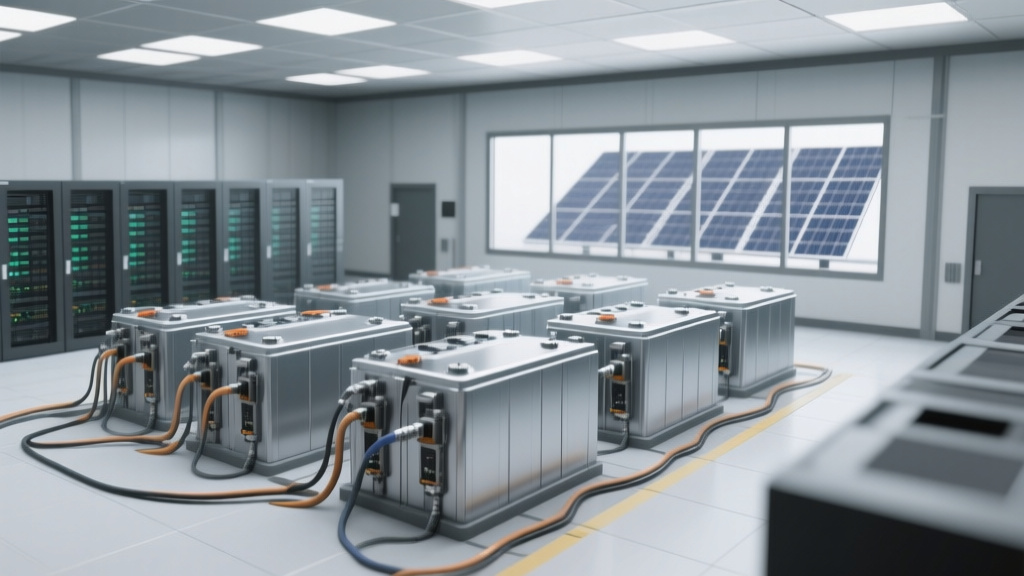
Data centers devour 1–1.5% of global electricity, and their appetite is growing faster than renewables can keep up. So when Crusoe Energy and Redwood Materials announced a microgrid expansion in Sparks, Nevada—powered by repurposed EV batteries and solar—the pitch wasn’t just about sustainability. It was about practical sustainability: using degraded automotive batteries (too weak for cars but fine for grid storage) to shave peak-demand costs and diesel backup reliance.
The numbers add up on paper. A 2023 McKinsey report pegs the second-life battery market at $12 billion by 2030, with data centers as a prime customer. Crusoe’s modular approach—pairing these batteries with on-site solar—targets hyperscalers’ two pain points: unpredictable energy prices and ESG reporting pressures. For a company like Crusoe, which already specializes in flared-gas-powered data centers, this is less a pivot than a hedge.
But the real test isn’t the tech. It’s whether the economics hold when scaled. EV batteries degrade at different rates; sorting, testing, and repacking them for grid use isn’t cheap. Redwood’s role—supplying batteries from its Nevada recycling plant—helps, but the microgrid’s viability hinges on one question: Can it undercut traditional backup power and new lithium-ion installations?
The unglamorous math behind a cleaner cloud📷 Published: Mar 25, 2026 at 12:00 UTC
The unglamorous math behind a cleaner cloud
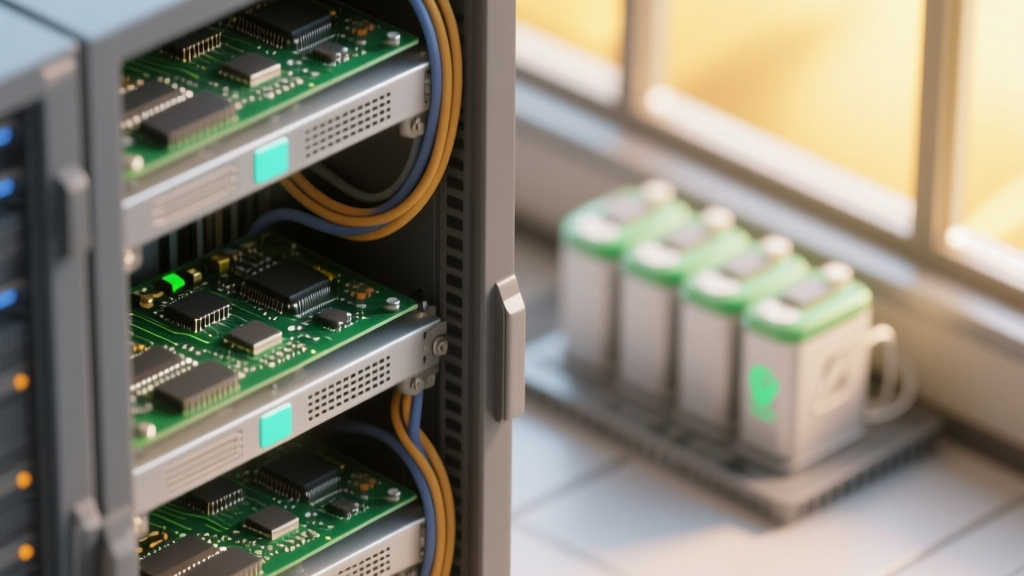
For data center operators, the appeal is obvious. A microgrid like this could trim energy costs by 10–15% in markets with volatile pricing, per Uptime Institute estimates. The bigger play, though, is resilience. Last year’s Texas grid failures left facilities scrambling for diesel—an expensive, carbon-intensive stopgap. Repurposed batteries offer a cleaner alternative, but with a catch: their lifespan is shorter than purpose-built grid storage. Crusoe’s bet is that the tradeoff (lower upfront cost for more frequent replacement) pencils out for modular deployments.
The industry is watching closely. Microsoft’s 2021 pilot with EV batteries in Ireland suggested promise, but scaling remains elusive. The bottleneck isn’t just technical—it’s logistical. “You’re dealing with a fragmented supply chain,” notes Energy Storage News. “A Tesla battery pack isn’t the same as a Nissan Leaf’s.” Standardization efforts are underway, but for now, each deployment is a custom job.
Then there’s the regulatory wild card. Nevada’s renewable portfolio standards incentivize projects like this, but tax credits for second-life batteries are still a gray area. If the IRS clarifies rules under the Inflation Reduction Act, the math gets easier. If not, Crusoe’s model could stay niche—another green experiment that works in press releases but struggles in spreadsheets.