Rio Tinto’s $2B battery bet: Aluminium’s green shift or cost hedge?
Rio Tinto’s $2B battery bet: Aluminium’s green shift or cost hedge?📷 Published: Mar 25, 2026 at 12:00 UTC
- ★600MW+ batteries firm renewables for Queensland smelter
- ★AU$2B deal locks Boyne smelter to 2040+
- ★Carbon cuts vs. energy cost control—what’s the real play?
Aluminium smelters don’t do subtle. They’re energy monsters—Rio Tinto’s Boyne facility in Queensland gobbles enough power for a small city, and its survival just got a AU$2 billion lifeline. The deal, split between Rio Tinto and Australian governments, isn’t just about keeping the lights on until 2040. It’s a 600MW+ battery storage gambit to ‘firm’ renewables—smoothing out solar and wind’s intermittency so the smelter can keep running when the grid flickers.
This isn’t a climate purity play. It’s a hedging strategy. Queensland’s grid is still 70% coal-dependent, and Rio Tinto’s 2023 sustainability report admits aluminium’s carbon intensity is stuck until the energy mix changes. The batteries buy time: they let Boyne tap cheaper renewables when available, while avoiding curtailment or blackout risks that could idle furnaces for days. For a smelter where downtime means millions in lost production, that’s not greenwashing—it’s risk management.
The real user impact? Stability. Aluminium buyers (think automakers and packaging giants) hate supply chain chaos. Boyne’s 600MW buffer means fewer ‘force majeure’ notices when the grid stutters—a quiet win for procurement teams. But the batteries won’t slash emissions overnight. According to Energy Storage News, the project’s carbon cuts depend on how fast Queensland builds new wind/solar. Right now, that’s a slow burn.
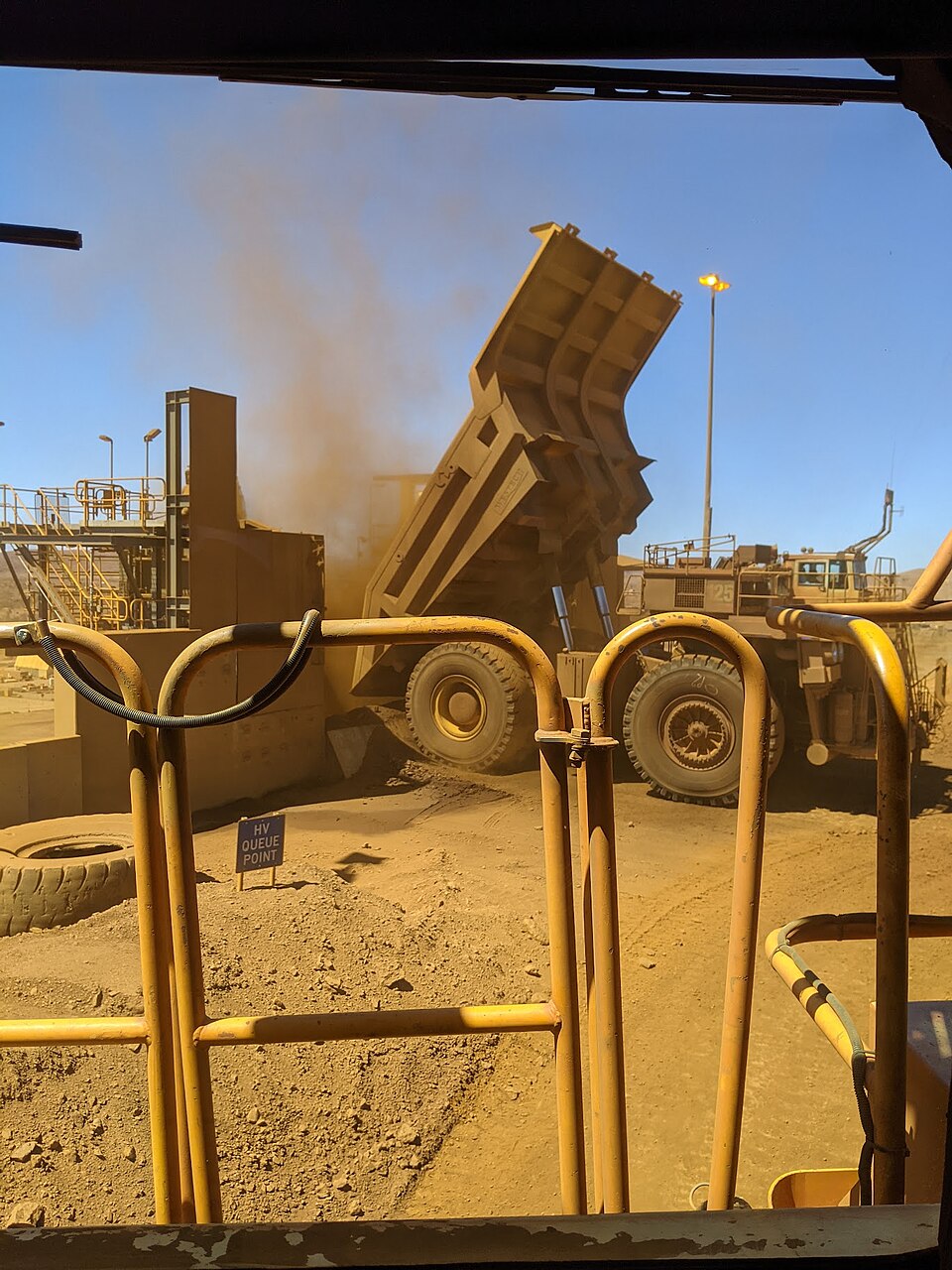
The price of decarbonizing heavy industry when grids stay dirty📷 Published: Mar 25, 2026 at 12:00 UTC
The price of decarbonizing heavy industry when grids stay dirty
The competitive math is brutal. Aluminium’s energy costs already eat 30–40% of production expenses. Rio Tinto’s peers—like Alcoa’s Portland smelter, which closed in 2014 after power price shocks—show what happens when energy markets turn hostile. Boyne’s battery play is insurance against repeating that fate.
Yet the ecosystem effects are messy. Queensland’s Renewable Energy Zones are still under construction, and the smelter’s demand could suck up capacity meant for other industries. Local manufacturers might cheer the jobs saved, but grid operators are now juggling a new baseline load that’s less flexible than data centers or hydrogen plants. And while Rio Tinto talks up ‘sustainable aluminium,’ the LME’s low-carbon premium for green metal is still volatile—buyers aren’t yet paying enough to justify the full cost of decarbonization.
The tech itself is proven: grid-scale batteries are deploying faster than predicted. But Boyne’s scale is rare. Most smelters lack the capital (or government partners) to replicate this. For now, it’s a bespoke solution—one that highlights how heavy industry’s net-zero path depends on who pays for the transition.