Kentucky Bourbon Waste Becomes Energy Storage Material
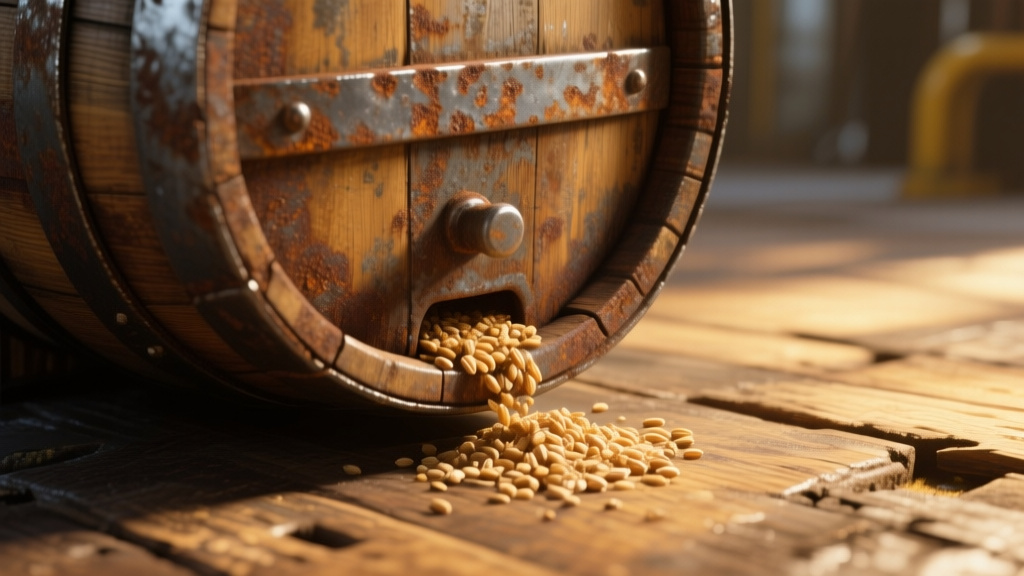
Kentucky Bourbon Waste Becomes Energy Storage Material📷 Published: Mar 25, 2026 at 12:00 UTC
- ★Bourbon waste converted to supercapacitor components
- ★Potential applications in EVs and grid storage
- ★Could reduce distillery processing costs
Kentucky produces over 95% of the world's bourbon whiskey. For every barrel distilled, the industry generates six to ten times that volume in "stillage"—a wet grain slurry that costs money to dry, transport, and offload onto farmers. Now researchers at the University of Kentucky's chemistry department have developed a method to convert that waste into high-performance energy storage materials, with potential applications in electric vehicles and large-scale grid storage.
This isn't just a clever recycling story. The bourbon industry has long treated stillage as a logistical headache masquerading as a modest revenue stream. Farmers buy it as livestock feed or soil additive, but drying costs eat into margins, and transportation remains a persistent operational burden. If the research scales, distilleries could shift from selling a low-value agricultural byproduct to supplying a higher-value energy material to a growing market.
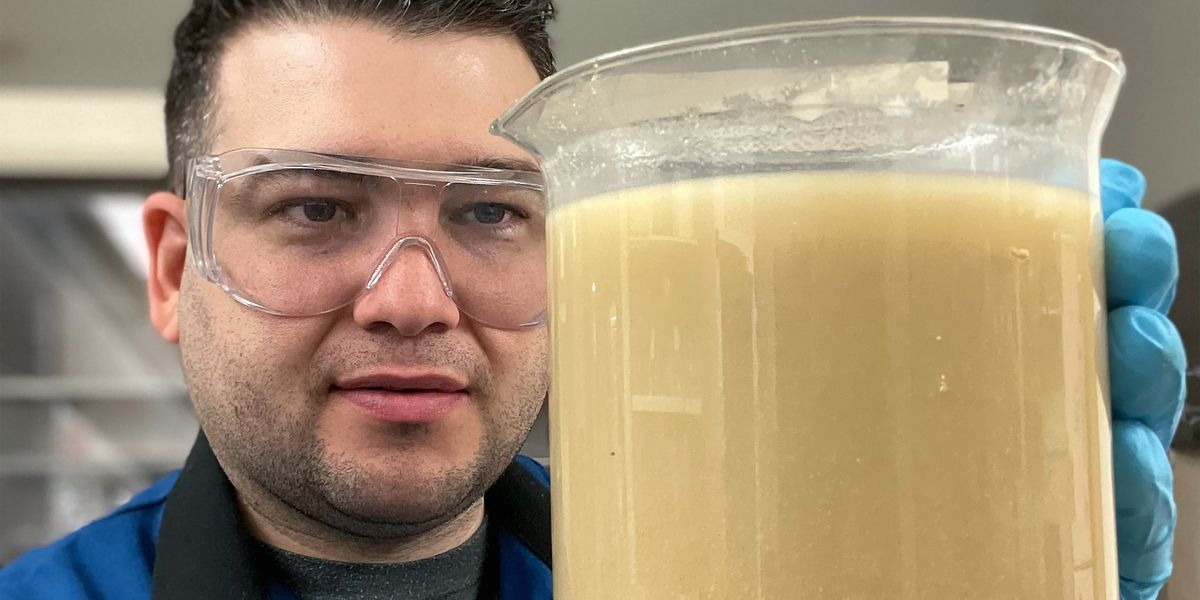
The supply chain shift hiding in a whiskey barrel📷 Published: Mar 25, 2026 at 12:00 UTC
The supply chain shift hiding in a whiskey barrel
The technology itself shows real promise. According to available information, the derived materials perform comparably to existing supercapacitor components in early testing. The practical appeal lies in the supply chain economics: bourbon production is geographically concentrated, seasonally consistent, and already operating at industrial scale. That's a rare combination in raw materials sourcing, where supply volatility often undermines otherwise sound technologies. IEEE Energy reports growing interest in unconventional feedstocks for energy storage.
But significant questions remain. The research is still in early stages, and lab performance doesn't always translate to manufacturing reality. Scaling chemical processes from university benches to commercial production has sunk plenty of promising energy storage ideas before. There's speculation that the approach could reduce economic burdens on distilleries, but actual market viability depends on variables—battery chemistry evolution, competing materials costs, and regulatory incentives—that no researcher can fully predict.