Claude’s free memory upgrade isn’t just a feature—it’s a strategy
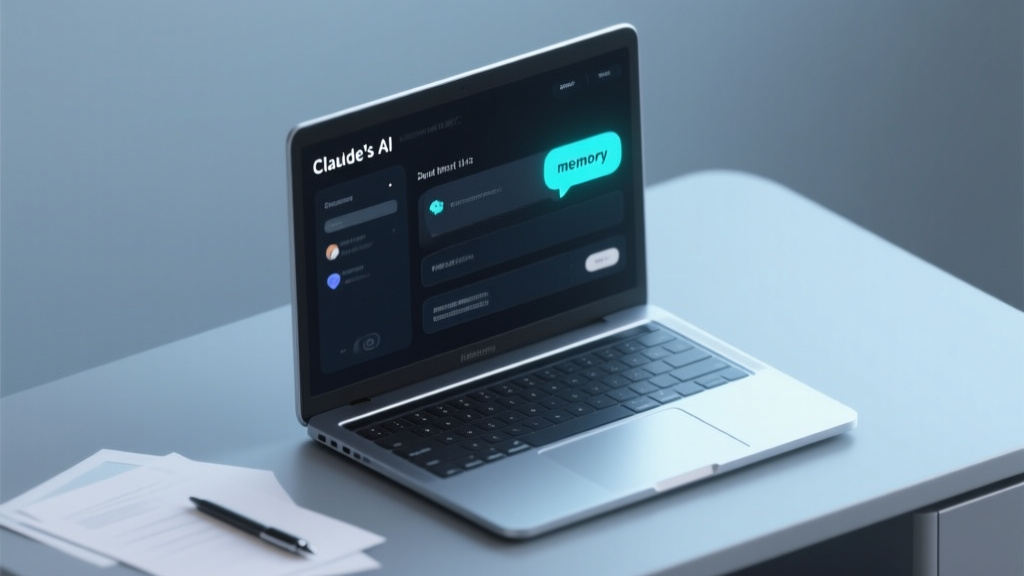
Claude’s free memory upgrade isn’t just a feature—it’s a strategy📷 Published: Mar 25, 2026 at 12:00 UTC
- ★Free-tier memory makes Claude stickier for users
- ★ChatGPT’s lead shrinks as Anthropic plays long game
- ★Personalization now table stakes, not a premium perk
Claude just made a quiet but calculated move: free-tier users now get conversation memory, a feature previously reserved for paying customers. On the surface, it’s a user-friendly tweak—no more repeating yourself mid-chat. But the timing isn’t accidental. This is Anthropic’s counterpunch to ChatGPT’s dominance, and the battleground isn’t specs; it’s stickiness.
Memory turns an AI from a tool into a habit. For developers and power users, it means fewer context resets when iterating on code or brainstorming. For casual users, it’s the difference between a chatbot and something that remembers your last dumb joke. Early signals suggest the upgrade improves retention by reducing friction—no small thing when OpenAI’s paid-tier memory still feels like a beta test.
The catch? Free memory isn’t actually free. Anthropic’s betting that users who grow accustomed to a personalized Claude will eventually pay for more—advanced tools, longer context windows, or enterprise features. It’s the same playbook Slack and Notion used: hook them with utility, then upsell the power users.
The real cost of this ‘free’ upgrade is user loyalty—and OpenAI’s problem📷 Published: Mar 25, 2026 at 12:00 UTC
The real cost of this ‘free’ upgrade is user loyalty—and OpenAI’s problem
This isn’t just about features; it’s about market positioning. ChatGPT’s enterprise push has left a gap in the free tier, where users tolerate clunky workflows because the price is right. Claude’s memory upgrade exploits that gap by making its free offering feel premium. The risk for OpenAI? If users start associating ‘free but functional’ with Claude, switching costs rise—especially for teams collaborating in shared workspaces.
There’s a second-order effect here: memory as a commodity. Once a ‘nice-to-have’ for AI assistants, it’s now table stakes. Smaller players like Mistral or Perplexity will face pressure to match, even if their infrastructure isn’t built for it. Regulators might also take note—persistent memory in AI blurs the line between tool and companion, raising questions about data retention policies and user control.
But the biggest test isn’t the tech—it’s whether users care. Memory only matters if the AI’s responses are worth remembering. Claude’s recent benchmarks show it’s competitive on accuracy, but the real bottleneck may not be recall. It’s trust. Will users stick around long enough to build a history, or will they still default to ChatGPT for ‘serious’ tasks?