Perovskite-silicon solar hits the real world—with caveats
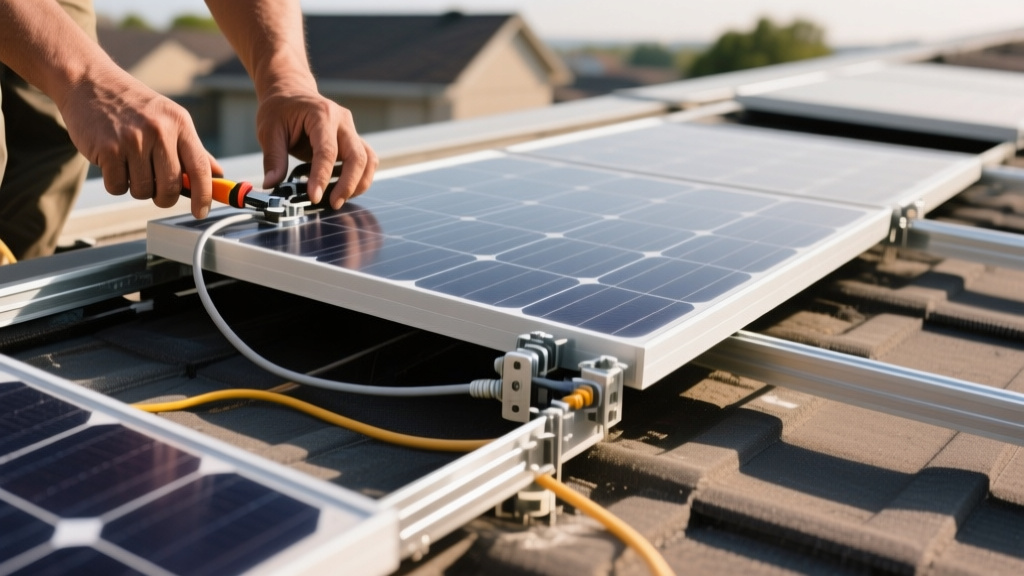
Perovskite-silicon solar hits the real world—with caveats📷 Published: Mar 24, 2026 at 12:00 UTC
- ★First commercial order demands 26%+ efficiency
- ★25-year warranty tests durability claims
- ★Mass production still a bottleneck
China’s first commercial order for perovskite-silicon tandem solar modules isn’t just a milestone—it’s a stress test. GCL Optoelectronics won a 1.2 MW tender from state-owned Huaneng with a requirement that sounds simple on paper: deliver IEC-certified modules with over 26% efficiency, a 25-year performance warranty, and mass-production scalability by June 2026. The catch? No one’s done this at scale before.
The specs are aggressive but not unrealistic. Perovskite-silicon tandems have hit 33.9% in labs, but commercial modules lag behind. Huaneng’s 26% floor is a gambit: high enough to justify the premium over conventional silicon, low enough to be achievable with current pilot lines. The 25-year warranty, however, is the real litmus test. Perovskites degrade faster than silicon under heat and humidity—so this order isn’t just about efficiency, but proving durability in messy, real-world conditions.
For solar farms, the math is straightforward: if these modules deliver as promised, they could cut land use by 20–30% for the same output. But the June 2026 deadline reveals the tension. That’s not a ‘soon’ timeline; it’s a hedge. GCL’s existing production lines are still ramping up, and scaling perovskite layers without defects remains a manufacturing nightmare.
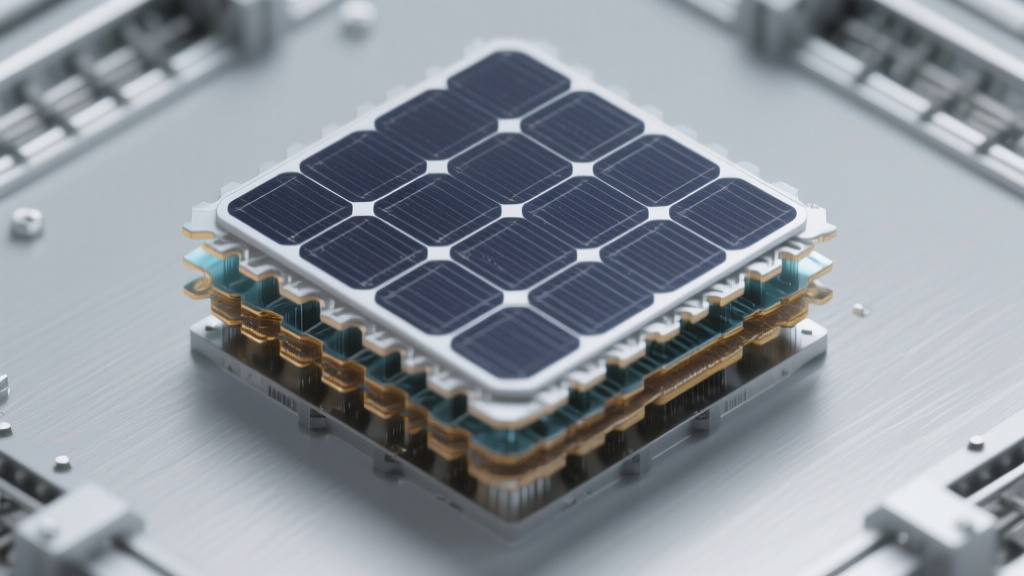
The specs are impressive, but the delivery timeline says more📷 Published: Mar 24, 2026 at 12:00 UTC
The specs are impressive, but the delivery timeline says more
The competitive pressure here is brutal. Chinese manufacturers like LONGi and JinkoSolar are racing to commercialize tandems, but GCL’s win suggests Huaneng prioritized deliverable specs over brand loyalty. That’s a shift: utilities are no longer just chasing the cheapest panel, but the most space-efficient one—a critical factor for land-constrained projects in China and Europe.
Yet the user reality is more complicated. Even if GCL hits 26% efficiency, installers will care more about degradation rates and supply chain reliability. A 25-year warranty on unproven tech is only as good as the company backing it—and GCL’s financial health isn’t exactly rock-solid. For solar farms, the risk isn’t just whether the panels work, but whether the manufacturer will still exist to honor claims in a decade.
The order also exposes a quiet industry truth: perovskite’s promise is colliding with solar’s commoditization. Tandem modules must not only outperform silicon but do so at a price premium buyers will accept. Right now, that premium is justified by lab results and pilot projects. Huaneng’s order is the first test of whether the market agrees.