FCC's Foreign Router Ban Reshapes US Network Hardware Market
FCC's Foreign Router Ban Reshapes US Network Hardware Market📷 Published: Mar 24, 2026 at 12:00 UTC
- ★New router sales banned over security
- ★Existing devices remain legal to use
- ★US market faces supply uncertainty
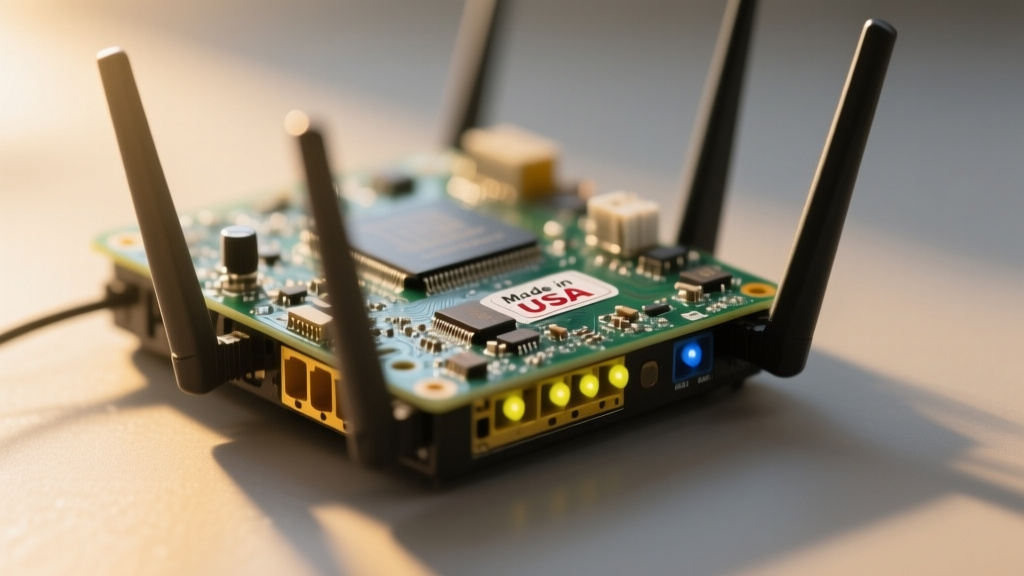
The FCC just drew a hard line on network security, and it runs straight through your home router. The agency has banned the sale of new routers manufactured outside the United States, citing national security risks—a move that effectively redraws the map for consumer networking hardware. For anyone shopping for a new router in the coming months, the options are about to get a lot more limited.
According to CNET, the ban targets new device sales only. Americans with existing foreign-made routers—likely the vast majority of users—can continue using them without interruption. That's the practical relief. But the market reality is messier. Major manufacturers like TP-Link, Asus, and Netgear produce significant portions of their consumer hardware overseas, meaning popular models could disappear from shelves or face price increases. The security rationale isn't abstract. Foreign-made networking equipment has long been a concern for regulators worried about potential backdoors and supply chain vulnerabilities, as noted in previous FCC guidance. But the abrupt shift from policy debate to outright ban leaves retailers, manufacturers, and consumers scrambling to understand what comes next.

Supply chains tighten as security concerns override consumer choice📷 Published: Mar 24, 2026 at 12:00 UTC
Supply chains tighten as security concerns override consumer choice
The immediate impact falls on availability. According to available information, certain router models may become scarce as existing inventory sells through without replenishment. The domestic manufacturing capacity for consumer networking gear simply doesn't exist at the scale needed to fill the gap overnight—a reality industry analysts have flagged for years.
For users, the change creates a split reality. Those with working routers face no disruption. But anyone building a new home network, replacing a failed device, or upgrading to Wi-Fi 6 or Wi-Fi 7 suddenly confronts a shrunken marketplace with potentially higher prices. There's speculation that US manufacturers could see demand surge—though whether they can ramp production quickly enough is another question entirely. The consumer hardware market has operated on global supply assumptions for decades; unwinding that takes more than a regulatory signature.
The real signal here is a regulatory shift from reactive warnings to proactive market intervention. The FCC isn't just advising caution; it's actively reshaping what hardware reaches American consumers. That precedent matters far beyond routers.