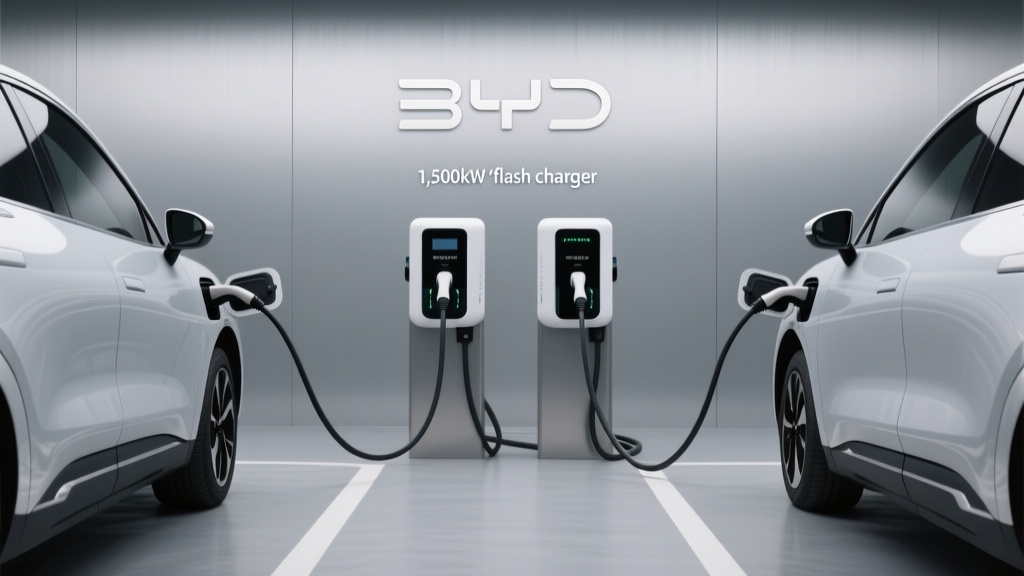
BYD’s 1,500kW charger: Speed isn’t the real story📷 Published: Mar 23, 2026 at 12:00 UTC
- ★Two cars, 1,500kW, 3x faster than US chargers
- ★Global expansion targets EV adoption bottlenecks
- ★Infrastructure lag may blunt the speed advantage
BYD didn’t just unveil a faster charger—it exposed how poorly the industry’s current infrastructure matches real driver needs. The 1,500kW ‘flash charger’ can juice two EVs simultaneously at rates that leave Tesla’s V4 Superchargers (350kW max) in the dust. For context, that’s enough power to add 100 miles of range in under 90 seconds—if the car can handle it.
But here’s the catch: almost no production EVs today can absorb 1,500kW. Even the fastest-charging models like the Lucid Air (300kW peak) or Porsche Taycan (270kW) would bottleneck the system. The charger’s real test isn’t raw speed—it’s whether BYD’s global expansion (starting outside China for the first time) can force automakers to finally align battery tech with charging infrastructure.
The competitive pressure is immediate. Electrify America and ChargePoint are still rolling out 350kW stations, while BYD’s move suggests 1,000kW+ could become the new benchmark. But without cars that can use it, this is less a leap forward than a bet on future hardware—one that risks stranding capacity if adoption lags.
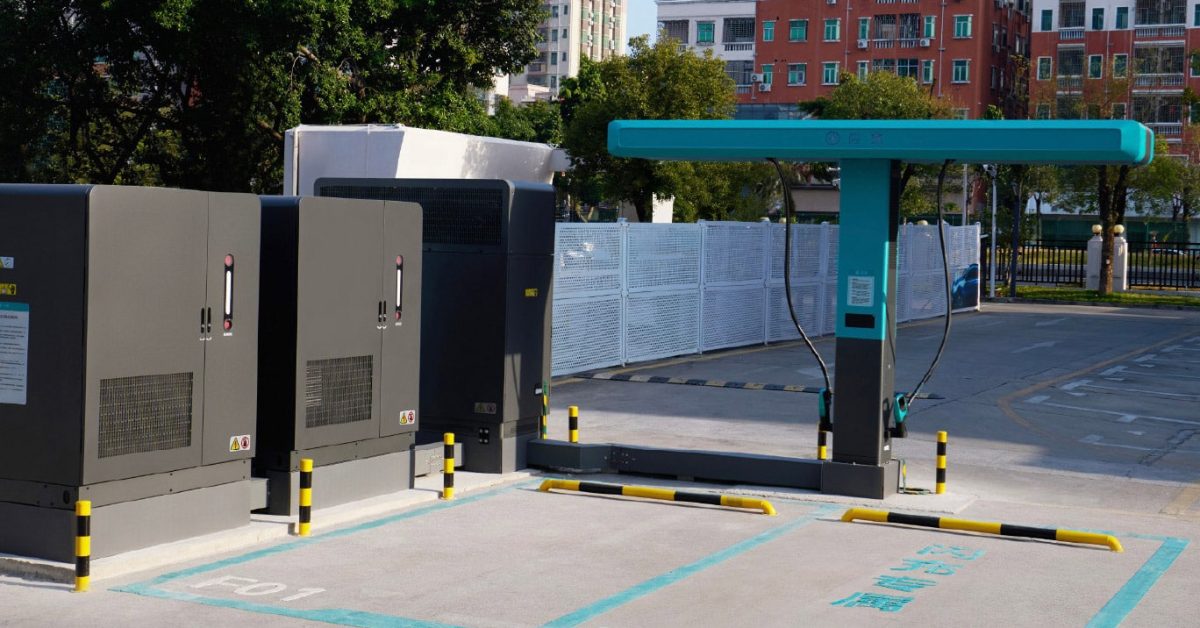
The real-world gap between charging specs and driver behavior📷 Published: Mar 23, 2026 at 12:00 UTC
The real-world gap between charging specs and driver behavior
For drivers, the practical impact hinges on two variables: queue times and cost. A 1,500kW charger could theoretically cut a 10–80% charge session from 20 minutes to under 5—but only if you’re the sole user. BYD’s dual-port design helps, but real-world testing will reveal whether the system’s power distribution holds up under simultaneous high-demand loads. Early community reactions suggest skepticism: users note that today’s fast-charging networks already suffer from peak-hour congestion, and faster chargers won’t fix poor station placement or unreliable uptime.
The ecosystem effect is clearer. If BYD’s rollout accelerates, it could push automakers to prioritize 800V+ architectures (like Hyundai’s E-GMP) or risk obsolescence. Regulators may also face pressure to update grid codes—1,500kW stations demand three-phase industrial power, a non-starter for many urban locations. And then there’s the cost: while BYD hasn’t priced the units, similar high-power systems from ABB or Siemens run $150,000+ per stall, making scalability a steep climb.
The bigger question isn’t whether this charger works—it’s whether the industry is ready to pay for the infrastructure it demands. Right now, the answer is a resounding maybe.