GPT-5.3 Instant: A Quiet Upgrade That Actually Matters

GPT-5.3 Instant: A Quiet Upgrade That Actually Matters📷 Published: Mar 10, 2026 at 12:00 UTC
OpenAI didn’t roll out a press release or host a flashy keynote, but GPT-5.3 Instant is already making its presence felt in ChatGPT. The update, surfaced on Product Hunt, promises three things users actually care about: fewer cringe-worthy responses, smoother daily interactions, and a noticeable bump in accuracy. No grand claims about ‘redefining humanity’—just incremental, useful improvements. That alone makes it worth examining.
The name itself is telling. ‘Instant’ isn’t just marketing fluff; early adopters report faster response times without the lag that sometimes plagues longer GPT-4 exchanges. The ‘5.3’ moniker suggests a mid-cycle refinement rather than a full generational leap—think iPhone SE updates, not iPhone 15 Pro. But in AI, where small tweaks can mean the difference between a tool you tolerate and one you rely on, that matters. According to available information, the model excels in two areas where earlier versions stumbled: maintaining conversational coherence over multiple turns and reducing the kind of over-polished, vaguely corporate responses that made GPT-4 feel like a PR bot with a thesaurus.
The competitive context here is critical. OpenAI isn’t just racing against itself; it’s fending off Anthropic’s Claude 3, which has carved out a niche for nuanced, long-form interactions, and Google’s Gemini 1.5, which still struggles with real-time practicality despite its multimodal ambitions. GPT-5.3 Instant’s focus on daily utility—quick answers, fewer hallucinations in mundane tasks, and a tone that doesn’t scream ‘I was trained on Reddit’—is a tacit admission that most users don’t need an AI to write sonnets or debug quantum algorithms. They need it to summarize meetings, draft polite emails, and not embarrass them in group chats.
So what’s actually different in practice? Users on Product Hunt highlight two standout changes: the model now handles interruptions and topic shifts more gracefully, and it’s less prone to over-apologizing or hedging when unsure—a quirk that made GPT-4 feel like a nervous intern. For power users, the upgrade might mean fewer manual edits when generating code snippets or data analysis prompts. For casual users, it could translate to fewer moments of ‘Why did it just suggest I call my boss ‘esteemed colleague’?’
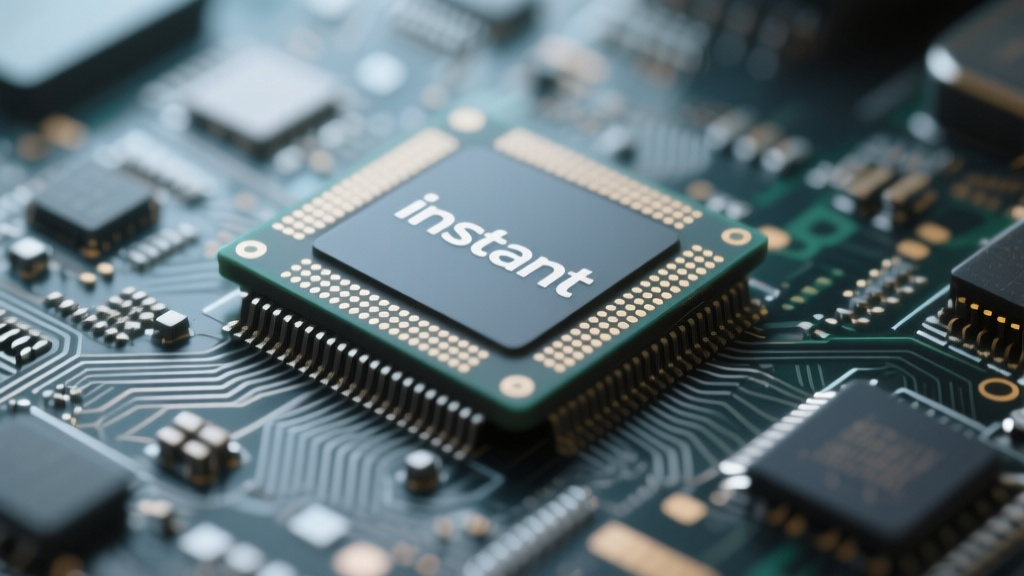
No fanfare, just faster responses and fewer awkward moments—so what’s the catch?📷 Published: Mar 10, 2026 at 12:00 UTC
No fanfare, just faster responses and fewer awkward moments—so what’s the catch?
But let’s not mistake polish for progress. The core limitations of large language models remain: GPT-5.3 Instant still hallucinates facts under pressure, struggles with ambiguous requests, and lacks true reasoning. The ‘Instant’ branding also raises questions about trade-offs. Faster responses might come at the cost of depth—early testers note that while the model feels snappier, it occasionally skips nuance in favor of brevity. That’s fine for a Slack message, less ideal for a contract review.
The bigger question is whether this update shifts the industry’s center of gravity. OpenAI’s strategy here is classic ‘innovator’s dilemma’ avoidance: instead of chasing moonshot features, they’re doubling down on making the existing product less annoying. It’s a bet that users will reward reliability over spectacle—a gamble that might pay off in an era where AI fatigue is setting in. Competitors now face a choice: match this focus on usability or keep chasing benchmark bragging rights with models that impress in demos but frustrate in daily use.
For developers, the implications are more mixed. The lack of a formal API announcement means GPT-5.3 Instant is, for now, a ChatGPT-exclusive perk. That could frustrate teams building on OpenAI’s platform, who may wonder why their apps can’t access the same improvements. It also underscores a trend: OpenAI is increasingly treating ChatGPT as a walled garden, prioritizing its own user experience over the broader ecosystem. That’s good for retention, less so for the ‘AI for everyone’ ethos the company once championed.
The most telling reaction might be the lack of outrage. When GPT-4 launched, the tech press dissected every benchmark and bias. GPT-5.3 Instant, by contrast, slipped onto Product Hunt with minimal fanfare—because it’s boring in the best way. No existential debates, just a tool that works slightly better today than it did yesterday. In an industry obsessed with ‘next big things,’ that might be the most radical shift of all.
Still, the quiet rollout invites skepticism. Is this a stopgap while OpenAI preps a true GPT-5, or the new normal: iterative tweaks sold as progress? The company’s recent pivot toward enterprise suggests the latter. For now, GPT-5.3 Instant is a reminder that the AI race isn’t just about who builds the smartest model, but who can make it least objectionable to use.