NASA’s $20B moon base plan hinges on nuclear power
NASA’s $20B moon base plan hinges on nuclear power📷 Published: Mar 25, 2026 at 12:00 UTC
- ★Nuclear reactors for lunar survival
- ★$20B mission beyond spectacle
- ★Next giant leap for Mars exploration
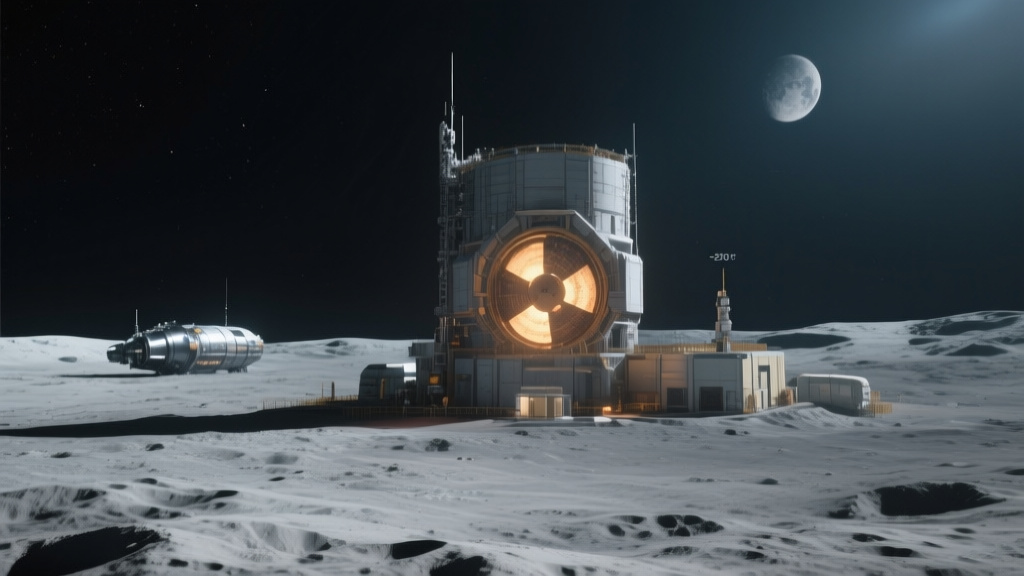
NASA’s $20 billion plan for a lunar base isn’t just another headline-grabbing project—it’s a calculated bet on nuclear power as the linchpin of off-world survival. Senior agency managers have confirmed that the Artemis Base Camp will rely on fission reactors to keep astronauts warm, run habitats, and power construction equipment in the moon’s 14-day nights, where temperatures plummet to -250°F. Unlike solar panels, which are nearly useless during lunar night or in permanently shadowed craters, nuclear systems offer a steady, scalable energy source—critical for long-term research and daily operations. The same technology is slated for Mars, where dust storms and weaker sunlight make solar an unreliable option. Spaceflight Now reports that these reactors are already in development, with prototypes expected within the decade.
The real bottleneck isn’t the budget—it’s the physics of off-world power📷 Published: Mar 25, 2026 at 12:00 UTC
The real bottleneck isn’t the budget—it’s the physics of off-world power
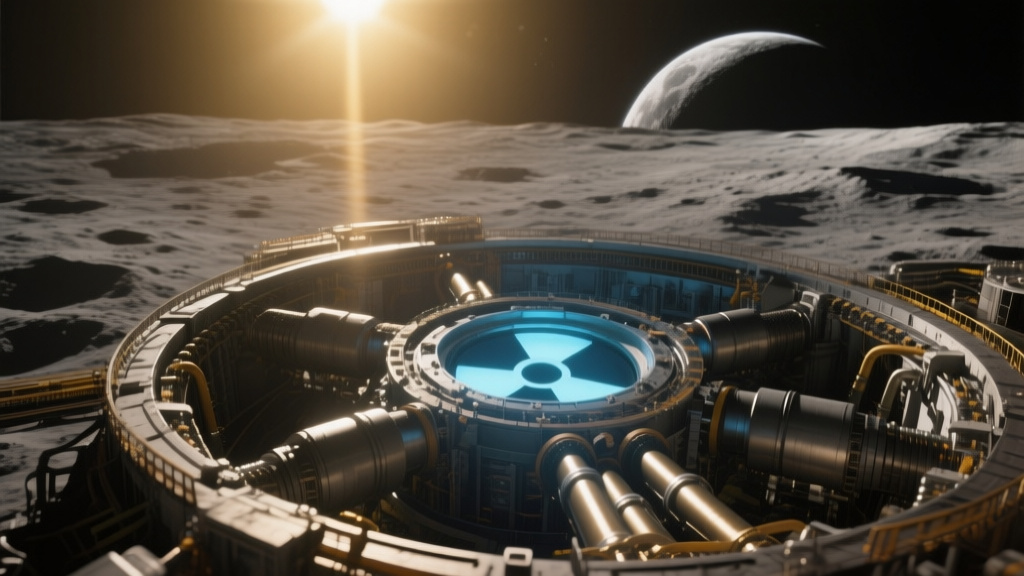
The significance of this shift extends beyond mere engineering. For decades, space exploration has been constrained by power limitations—Apollo’s short missions, the International Space Station’s reliance on solar arrays, and even robotic rovers like Perseverance, which can only operate for hours at a time. A nuclear-powered moon base would change that calculus, enabling continuous human presence and industrial-scale activity. But the challenges are formidable. Launching radioactive material safely is one hurdle; deploying reactors in a vacuum without human hands-on assembly is another. NASA’s timeline remains fluid, with speculation suggesting the $20B budget may stretch over a decade or more. Meanwhile, private companies like SpaceX and Blue Origin are racing to develop their own off-world energy solutions, raising questions about public-private collaboration in this new era of exploration.
For scientists, the moon base isn’t just a destination—it’s a proving ground for technologies that could make Mars colonization feasible. If nuclear power succeeds on the moon, it could spell the difference between a one-way trip and a sustainable future. The real story here isn’t the price tag or the ambition, but the quiet recognition that off-world survival demands energy independence—and nuclear is the only viable game in town.