Terafab V2 puts robotics on the construction site, not in the lab
Terafab V2 puts robotics on the construction site, not in the lab📷 © Tech&Space
- ★Two-minute cycles for 20 MW per week per line
- ★Outdoor robotics versus rain, wind and badgers
- ★Goal: 1 GW in 10 weeks with five Terafab factories

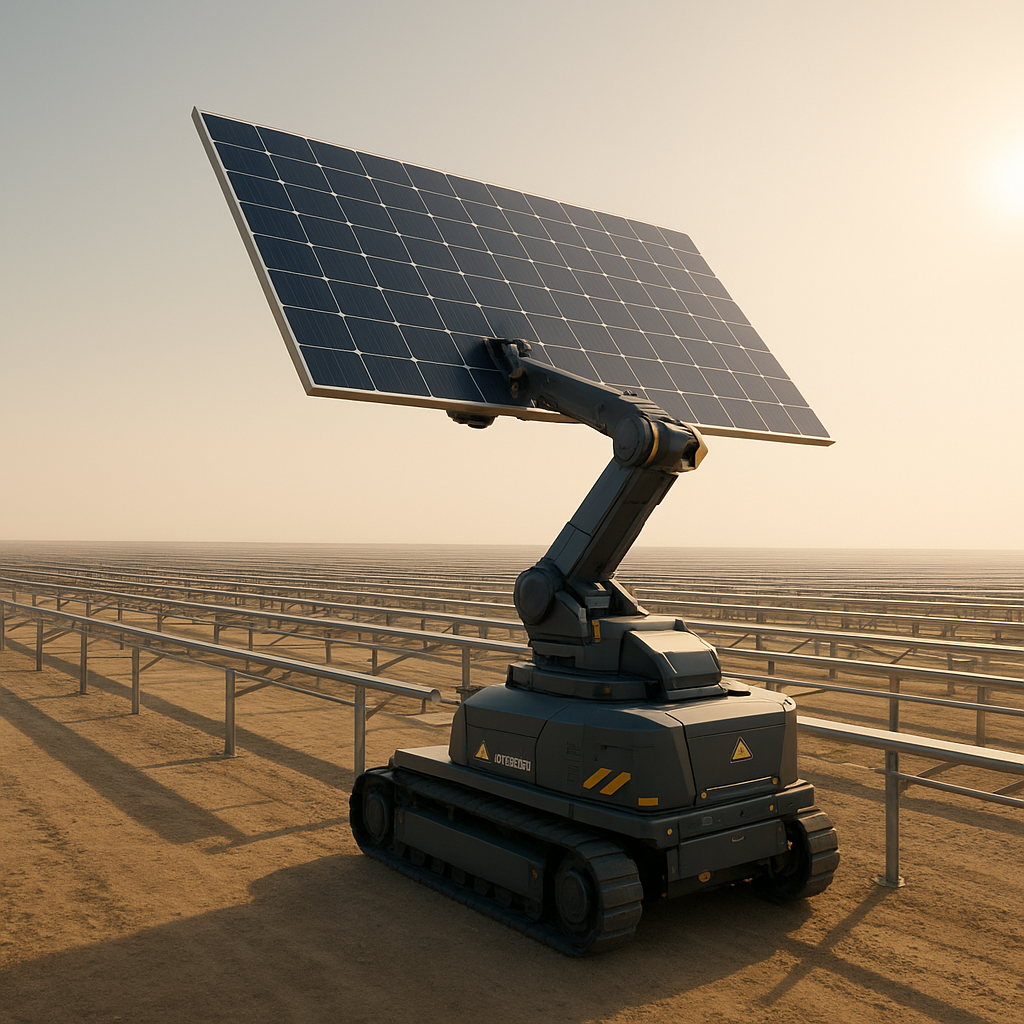
Terabase Energy has completed field testing of its automated solar-farm construction system, Terafab V2. The system assembles panels and tracker components on site with AI-assisted robotics. It is optimized for First Solar Series 7 panels and Nextracker supports and can theoretically install 20 MW per week per production line if it runs continuously. In practice, two mobile factories are currently available, a third is coming by the end of the year, and ten are planned by Q2 2027. PV Magazine and Terabase Energy are the most useful sources here because they show how robotics is being pushed into real energy infrastructure.
The first Terafab already installed 40 MW across several U.S. projects, but the new version is twice as fast and more compact. Moving the system takes four hours instead of days, which matters because this is outdoor work. According to founder Matt Campbell, the system has to deal not only with wind and rain but also with “ants, bees, snakes, badgers, rats.” That is a good reminder that demo videos rarely show what robotics looks like when exposed to dust, storms and night temperatures.
The system places prebuilt torque-tube assemblies onto tracker supports, but this is not classic prefabrication. Instead of shipping complete modules, Terabase moved automation onto the construction site, which solves transport density problems. It also avoids some of the logistical nightmares of field production, including sensor calibration in changing conditions and maintaining precision on uneven terrain.
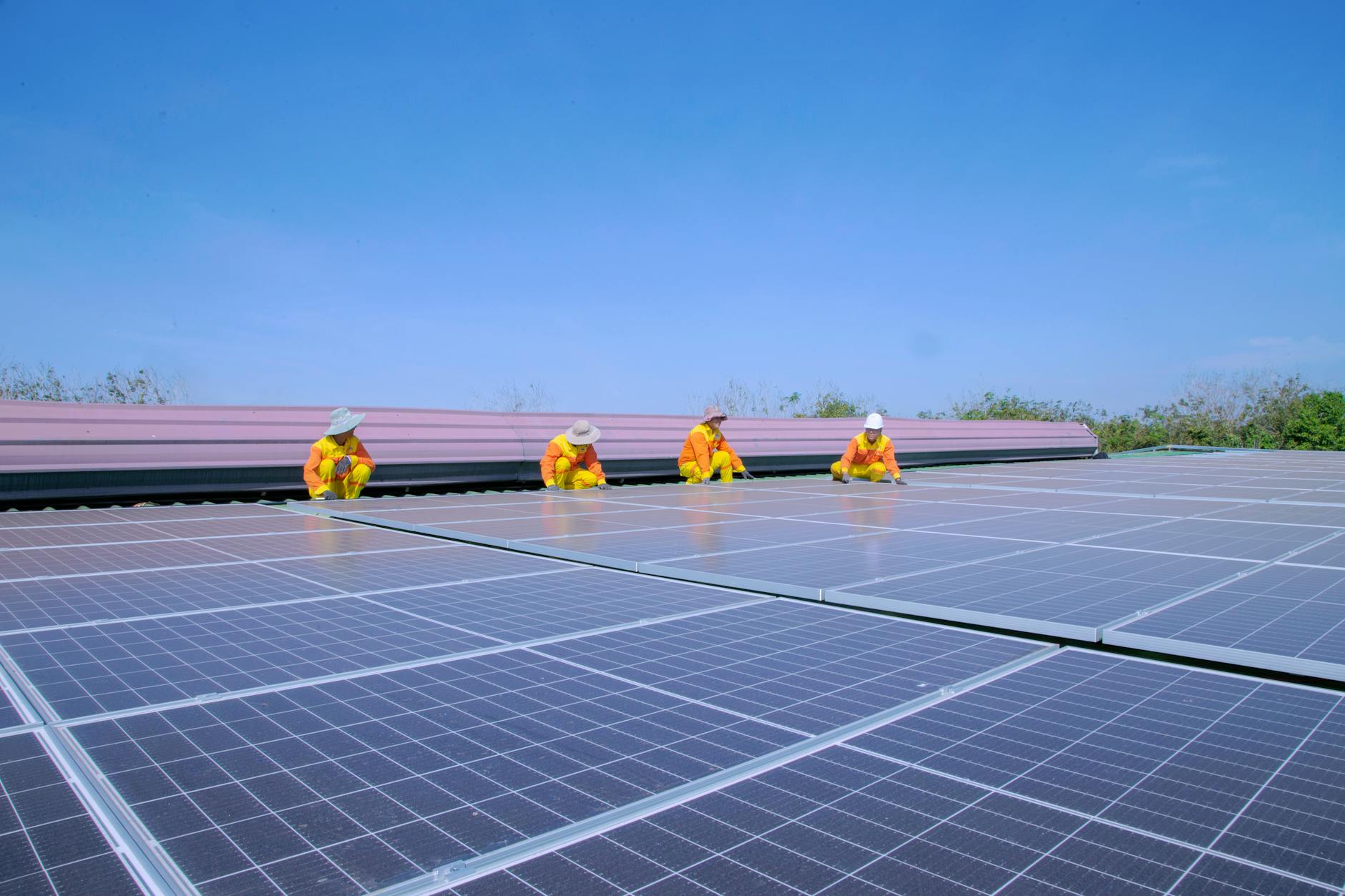
The construction site beats the render every time📷 © Tech&Space
From prefabrication to field automation, the gap remains
The main promise of Terafab V2 is scalability: according to Campbell, five such factories on one site, operating 24 hours a day, could install 1 GW in 10 weeks. That is ambitious and requires more than robotics. It needs synchronized logistics, continuous parts supply and real-time fault handling. Two factories are ready now, and ten are planned by 2027, but the question is how many can run on the same project without infrastructure bottlenecks.
Hardware limits are not trivial. The system is optimized for specific panels and trackers, which means changing suppliers requires reworking the whole process. The installation cycle is fast at two minutes per assembly, but the real question is whether that speed survives extreme conditions. Terabase says the system is highly automated, but what that means in maintenance and repair terms is still unclear.
The biggest advantage is lower labor cost and faster construction, but the real bottleneck may not be robotics at all. Gigawatt-scale solar projects need not only rapid assembly, but also certification, grid integration and long-term reliability. Those are the things demo videos rarely mention.