MirrorBot is a sweet experiment, but can it work beyond the room?
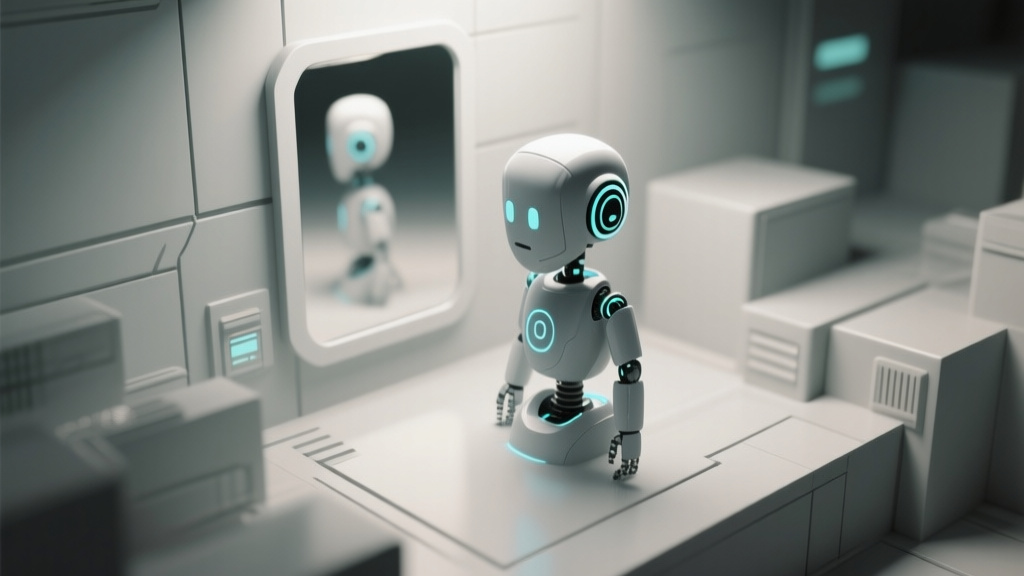
MirrorBot is a sweet experiment, but can it work beyond the room?📷 Published: Apr 2, 2026 at 22:08 UTC
- ★Mirrors help trigger first contact
- ★Social impact must hold in real spaces
- ★The experiment is interesting, but narrow

MirrorBot is a social robot that tries to help strangers make contact more easily. It uses mirrors and a carefully arranged space to encourage the first glance and the first conversation, which is a reminder that robotics is not always about factories and warehouses. In this kind of work, the robot is not an automation tool but a way to shape a social situation.
On paper, the idea is interesting: if a device can reduce the awkwardness of first contact, maybe it can be useful in waiting rooms, public spaces or educational settings. TechXplore covers the experiment well, but its value is still limited by the size and setup of the test. That matters because social robotics lives or dies on spatial detail, not just on how “human” the machine looks.
The problem is that social impact is hard to scale. What works in one waiting room with controlled participants may not work in a real city, in a long queue, or in a space where people are already stressed. The key question is whether the design is transferable, not just original. Cornell and MIT Media Lab both show how hard the leap from prototype to everyday life can be.
Good conversation is not the same as scaling📷 Published: Apr 2, 2026 at 22:08 UTC
Good conversation is not the same as scaling
The experiment shows that technology can be used to connect people, not just automate work. But that still does not prove that people will want to talk to a robot every time they enter a room. The real challenge is how long the effect lasts, not just how quickly it appears.
The real test is simple: can MirrorBot be useful without looking like a conference installation? If yes, there is room for more serious social robotics. If not, it remains a neat example of how design can influence behavior in a small sample. That is the line between an interesting concept and something a venue actually wants to place in a waiting area.
Cornell found an interesting direction here, but not yet a general answer. A good experiment is not the same as a widely adopted product, and in social robotics that difference is often decisive.