Atlas Research Bot Takes Final Flight Before Work Begins
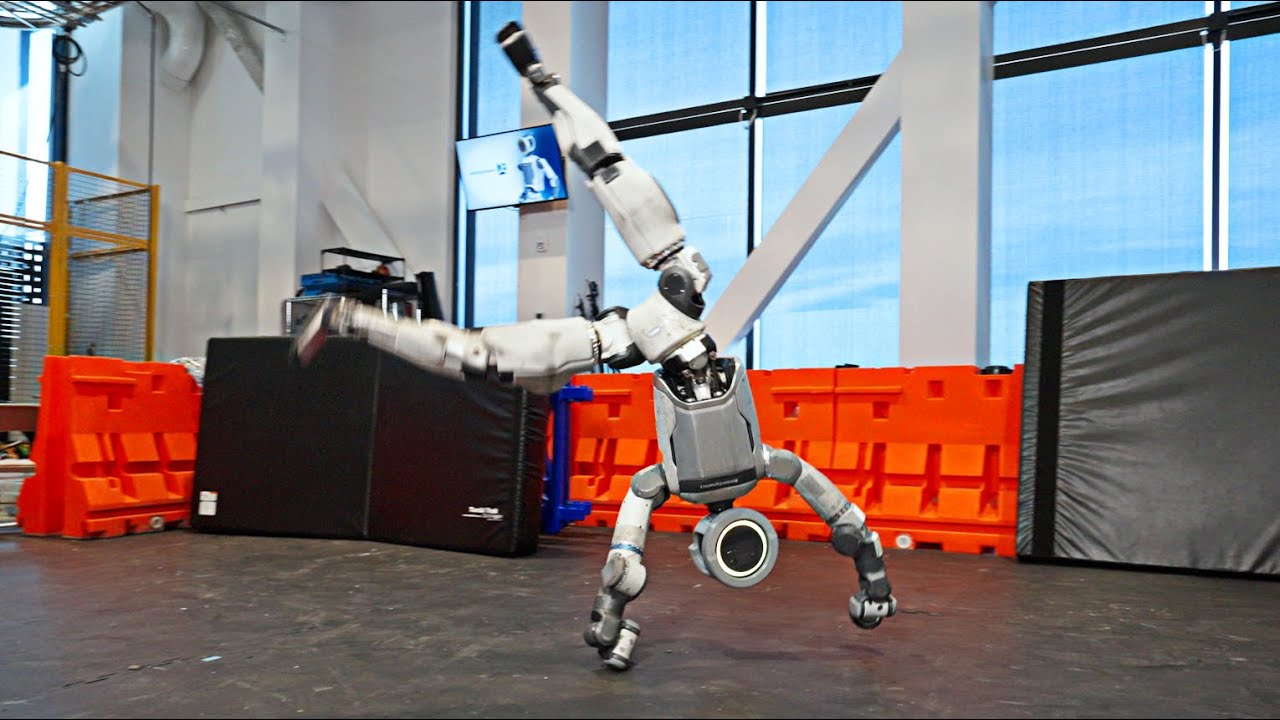
Atlas Research Bot Takes Final Flight Before Work Begins📷 Published: Mar 24, 2026 at 12:00 UTC
- ★The research version gets a final flight
- ★Agility is not the same as a shift
- ★Battery life and service decide the future

Boston Dynamics’ Atlas is getting one last research moment before moving into an enterprise phase. In the video made with the RAI Institute, the machine looks absurdly agile, but it is still a demo built to make hard motion look easy. In the real world, Atlas will be judged by whether it can repeat the same task without pushing battery life and service overhead into the red.
These videos always sell the same idea: if a robot can jump, maybe it can work. But a jump is not a shift. In a warehouse, on a construction site, or during inspection work, payload, runtime, and environmental tolerance matter far more than the elegance of motion. That is why this video is more useful as a transition signal than as proof of maturity.
The “farewell” to the research version raises a harder question: what exactly is the business case? Logistics sounds plausible, but safety, training, and maintenance costs can eat the advantage quickly. Atlas therefore sits in that awkward robotics middle ground between spectacle and product, and that is often the most expensive place to be.
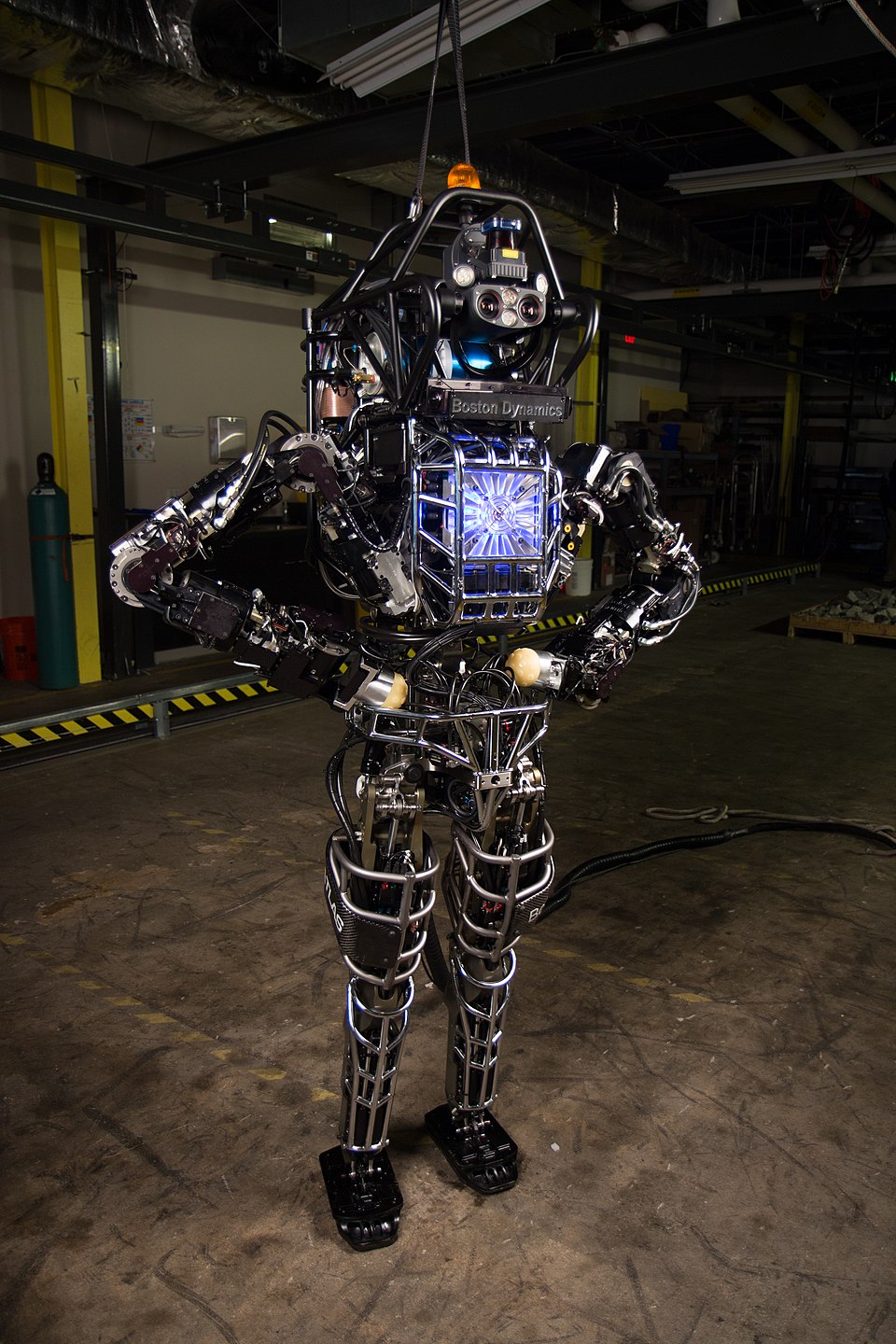
The last leap before the industrial version📷 Published: Mar 24, 2026 at 12:00 UTC
The last leap before the industrial version
For industry, the real metric is lifecycle cost, not how good the machine looks on camera. Maintenance, training, and safety protocols often wipe out the initial edge a humanoid has. That is why Atlas still looks more like a strong signal than a finished answer.
If Boston Dynamics wants to convince the market, it will need to show hours of work, service intervals, and behavior in messy environments. The company’s news page can frame the story, but it cannot prove field durability. Until then, this is a good demo and the start of the harder phase.