Fluctuating sleep apnea raises heart risks by 30%—but why?

Fluctuating sleep apnea raises heart risks by 30%—but why?📷 Published: Apr 11, 2026 at 12:20 UTC
- ★30% higher heart risk with unstable sleep apnea severity
- ★Night-to-night swings matter more than average severity
- ★Study omits key details: sample size, demographic controls
Flinders University researchers have pinned a 30% increase in cardiovascular risk not to sleep apnea’s severity, but to its inconsistency. Published in the journal SLEEP, the study reveals that patients whose breathing disruptions fluctuate wildly from night to night face higher odds of heart attack, stroke, or heart failure—even if their average severity appears mild.
This isn’t about how bad your sleep apnea is on a typical night. It’s about how unpredictable it is. Traditional metrics, like the apnea-hypopnea index (AHI), measure average severity—but this study suggests those averages mask a critical risk factor: volatility.
The finding aligns with emerging research on physiological variability as a biomarker. Studies on blood pressure fluctuations and heart rate irregularity have similarly tied instability to poorer outcomes. Yet sleep apnea’s nightly swings have, until now, flown under the radar.
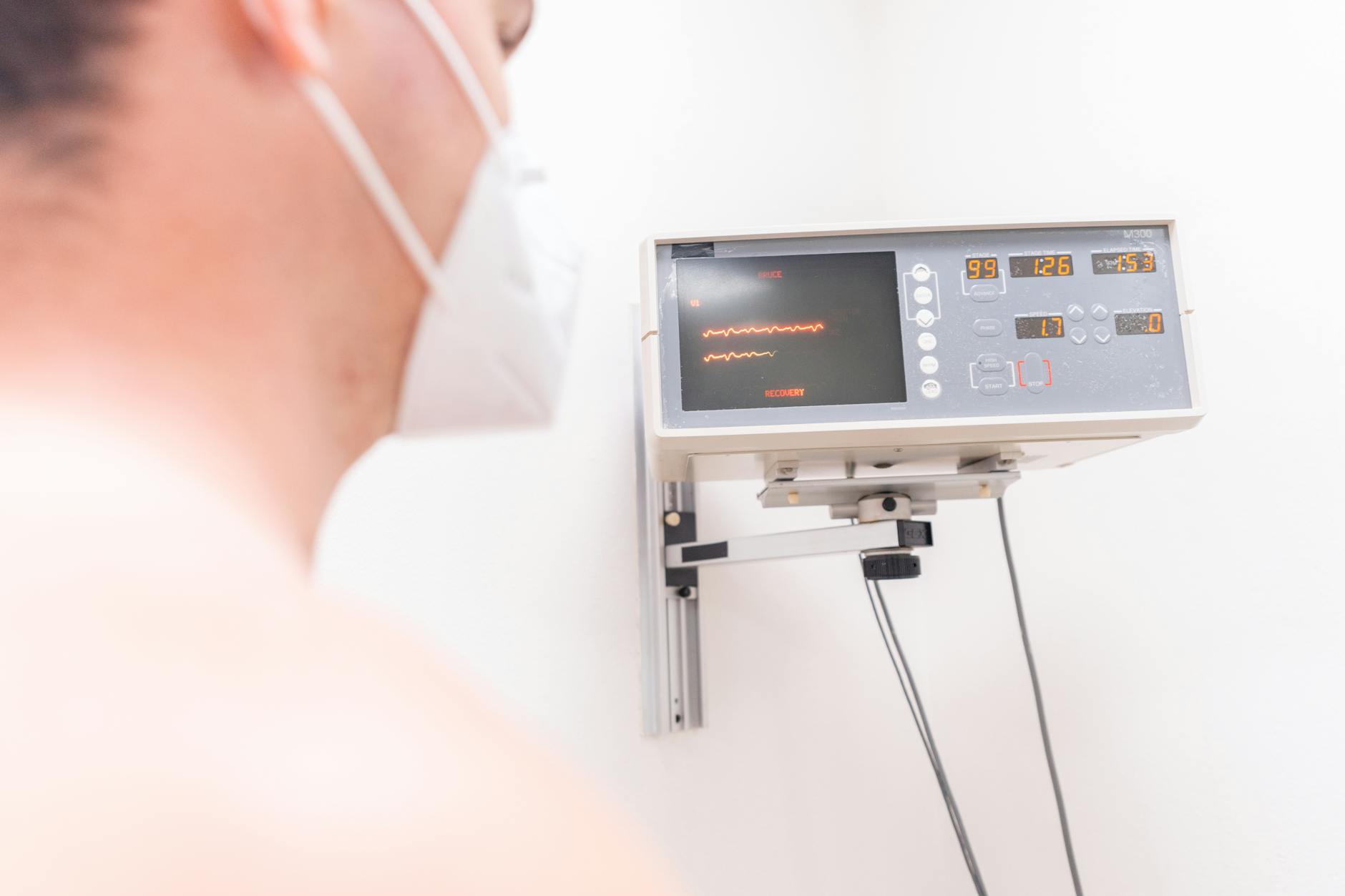
The variability no one measured—until now📷 Published: Apr 11, 2026 at 12:20 UTC
The variability no one measured—until now
Here’s what the study doesn’t tell us: the sample size, duration, or whether researchers controlled for confounders like obesity or hypertension. Those omissions matter. Without them, we can’t assess whether this 30% risk applies broadly—or only to a narrow subset of patients.
For clinicians, the implication is tantalizing but premature. Current sleep apnea diagnostics don’t track night-to-night variability. Devices like respiratory polygraphy or home sleep apnea tests focus on single-night snapshots. Adapting them to monitor volatility would require new protocols—and likely, new tech.
The study also leaves unanswered whether treating variability (e.g., with adaptive CPAP algorithms) could reduce risk. That’s the next frontier: not just measuring inconsistency, but managing it.