New cell map reveals pregnancy risks at single-cell level

New cell map reveals pregnancy risks at single-cell level📷 Published: Apr 10, 2026 at 22:20 UTC
- ★UCSF study identifies new cell types
- ★Preeclampsia and preterm birth insights
- ★Early research, not clinical guidance yet
Scientists at UC San Francisco have mapped the biological dialogue between a pregnant woman and her fetus in unprecedented detail, uncovering new cell types that may hold clues to high-risk conditions like preeclampsia, preterm birth, and miscarriage. Using single-cell analysis, the team dissected the cellular landscape of the maternal-fetal interface, revealing interactions that could shape pregnancy outcomes MedicalXpress. The findings, published in a peer-reviewed journal, mark a significant step forward—but only a first step.
The study’s strength lies in its granularity. By examining individual cells rather than bulk tissue, researchers identified previously unknown cell populations that may play pivotal roles in pregnancy complications. For instance, certain immune cells appeared to behave differently in ways that could influence placental development—a key factor in preeclampsia Nature. Yet while the research is robust, it remains observational. No causal links have been established, and the sample size, methodology details, and exact clinical implications remain unpublished.
For now, the work is purely exploratory. The team has unveiled potential biological markers, but these are far from actionable diagnostics or treatments. Patients and clinicians searching for immediate answers will find none—this is a map, not a medical manual.
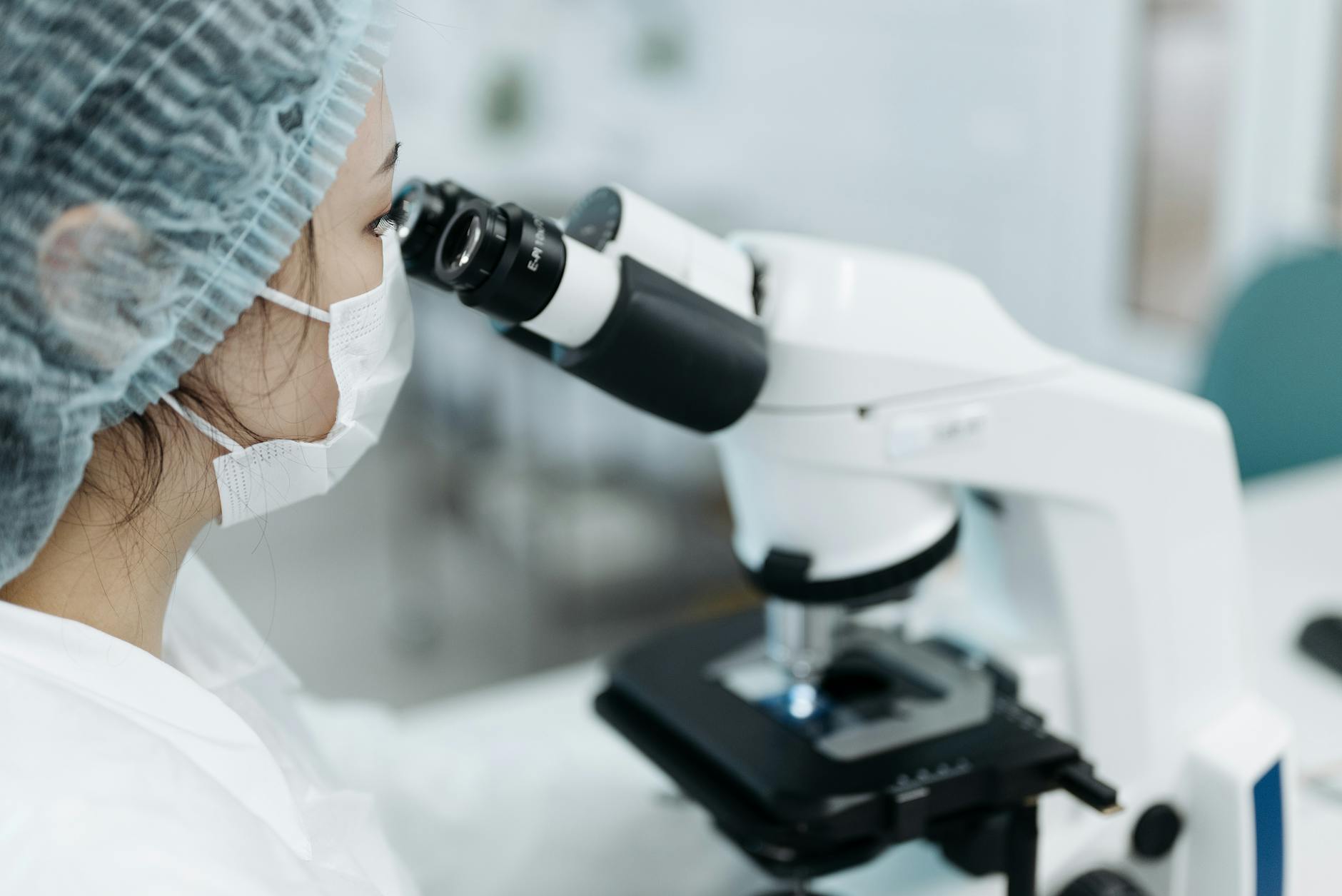
A groundbreaking but early-stage study demystifies pregnancy complications—with clear limits📷 Published: Apr 10, 2026 at 22:20 UTC
A groundbreaking but early-stage study demystifies pregnancy complications—with clear limits
What this study does offer is a foundation for future research. By pinpointing which cell types and pathways are involved in pregnancy complications, scientists can now design targeted studies to test hypotheses. Could these newly identified cells serve as biomarkers for early detection? Might they reveal druggable targets for interventions? The answers lie in follow-up work, which will need larger cohorts, longitudinal data, and ideally, mechanistic experiments NIH.
The regulatory and clinical pipelines are long for pregnancy-related research. Unlike drug trials, which can move from phase to phase in years, pregnancy studies face unique ethical and logistical hurdles. Even if these findings hold up, translating them into screenings or therapies could take a decade or more. For now, the most tangible impact is on the scientific community’s understanding of the placenta as a dynamic, not passive, organ.
The real story here isn’t what this study proves, but what it invites: further investigation. The study’s limitations—small sample size, lack of mechanistic insight—are not failures but road signs. They remind us that for all the excitement around single-cell technologies, biology is complex, and pregnancy even more so. The next steps will determine whether this map leads to new diagnostics, or just a deeper appreciation of how little we still know.