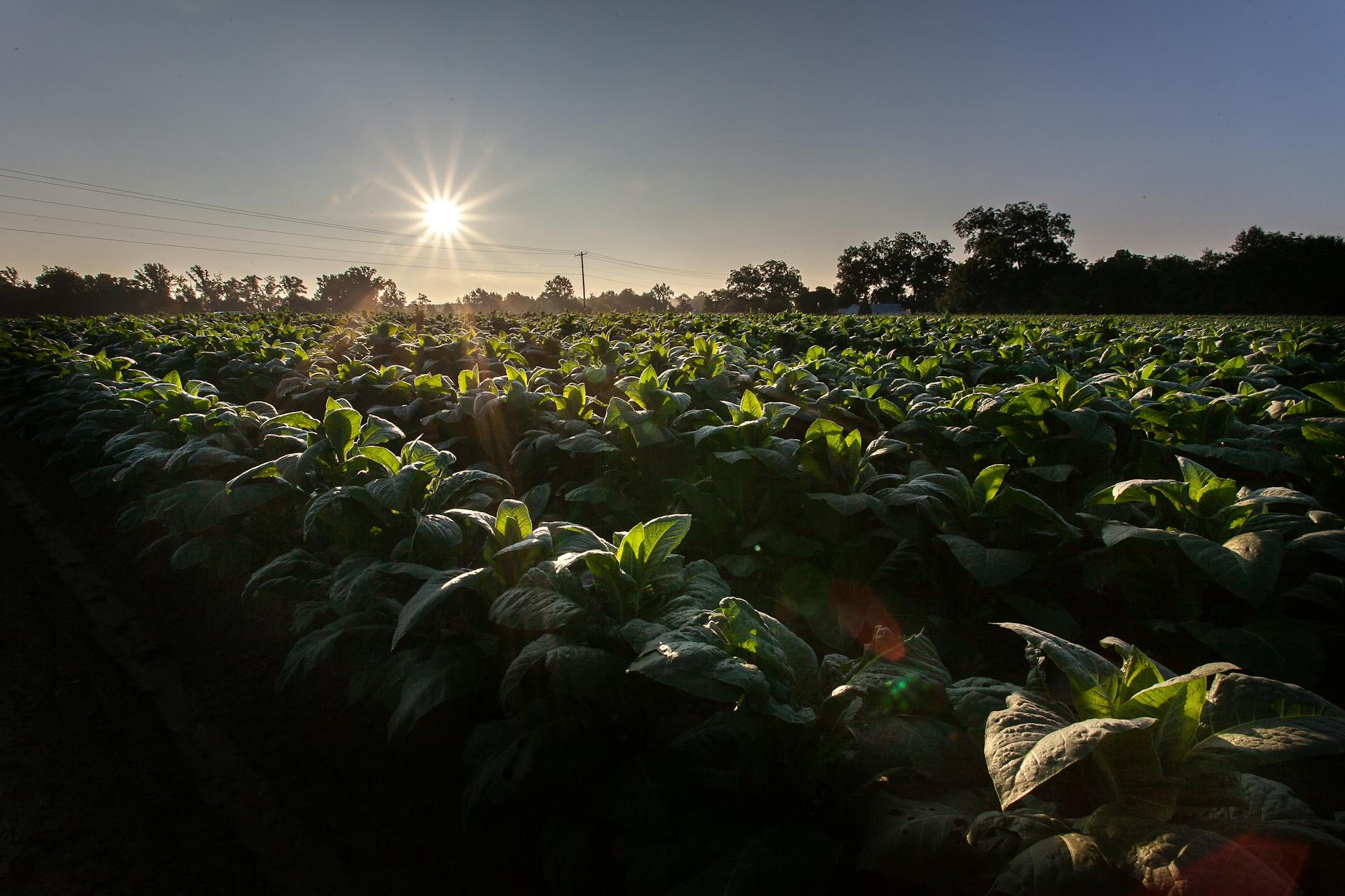
Photo by Mark Stebnicki on Pexels, Source — Pexels📷 Source: Web
- ★Tobacco plant modification
- ★Psilocybin and DMT production
- ★Indigenous traditions preserved
Scientists have developed a proof-of-concept system that produces psilocybin, DMT, and other psychedelic compounds in the leaves of a tobacco plant. This breakthrough aims to reduce pressure on wild species of psychedelic plants and preserve Indigenous traditions tied to these plants. According to available information, the tobacco plant was chosen as a biological chassis due to its well-understood genetics and ease of genetic modification. More on the research can be found online.
The system's potential to produce scalable, controlled amounts of psychedelics for medical or research use is significant, though no timeline or commercial application is confirmed. It's possible that this approach could bypass legal restrictions on wild-harvested psychedelics, but regulatory implications are not discussed in the snippet.
Psychedelic Breakthrough📷 Source: Web
Evidence level: research stage only, with real limits
For all the noise, the actual story is about the careful application of genetic modification to address real-world problems. The real signal here is the potential for this technology to ease pressure on wild species and support Indigenous communities. However, the specific yield or potency of the produced compounds in the modified tobacco leaves is not provided, and whether the system can replicate all psychoactive effects of natural sources remains unaddressed. Read more on the implications of this research.
The community is responding with a mix of excitement and caution, noting the potential for biopiracy, cultural appropriation, or corporate control of sacred Indigenous substances. As the research is early-stage, practical applications are not yet realized, and more work is needed to understand the full potential and limitations of this technology. Learn more about the research process.