Sleep EEG patterns may quietly predict dementia risk—with limits
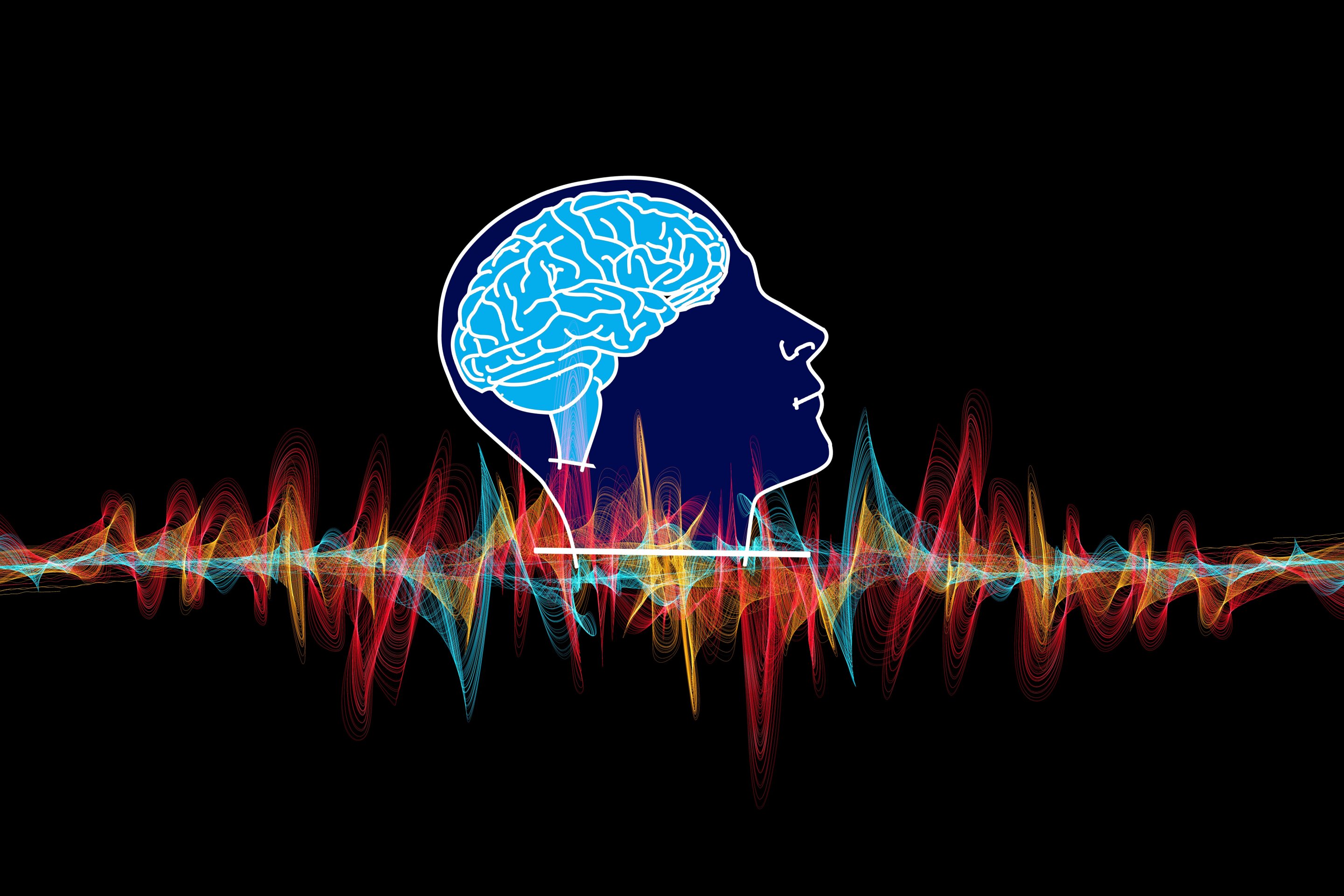
Wikimedia Commons, Source — Wikimedia Commons📷 Source: Web
- ★Brain’s biological age often diverges from chronological age
- ★Sleep EEG patterns linked to dementia risk in new study
- ★No clinical test yet—research-stage findings only
The gap between your birthdate and your brain’s true age may hold clues to dementia risk years before symptoms appear. Researchers at Stanford University and the University of California, San Francisco used overnight EEG recordings to identify brainwave signatures associated with faster cellular aging—patterns invisible to standard cognitive tests. These markers, detected during non-REM sleep, aligned with higher biological age scores, which prior work has tied to increased Alzheimer’s risk.
The study, published in Nature Aging, leveraged data from the UK Biobank and two smaller cohorts, totaling over 10,000 participants aged 40–69. Unlike traditional risk assessments that rely on memory tests or amyloid plaques, this approach focuses on neural rhythms—specifically, slower delta waves and disrupted sleep spindles, both linked to cellular stress. Crucially, these EEG patterns predicted cognitive decline independently of chronological age or APOE4, the strongest genetic risk factor for Alzheimer’s.
Yet the findings come with a critical caveat: this is an observational study, not a diagnostic tool. The EEG signatures were correlated with future dementia cases, but causality remains unproven. As Dr. Matthew Walker, a sleep neuroscientist unaffiliated with the study, noted, ‘Correlation in population data doesn’t mean your sleep EEG can predict your individual risk—just that there’s a signal worth investigating further.’

Sleep EEG patterns may quietly predict dementia risk—with limits📷 Source: Web
A large observational study—with real limits
The methodology itself carries limits. Participants wore EEG caps for a single night in lab-like conditions, far removed from real-world sleep environments. Noise, stress, or even caffeine could theoretically skew brainwave patterns, though the team controlled for common confounders like sleep apnea. More problematic is the homogeneity of the sample: 95% of UK Biobank participants are white, raising questions about generalizability to diverse populations where dementia risk factors often differ.
For patients and clinicians, the immediate impact is negligible. No FDA-approved test exists to measure ‘brain age’ via sleep EEG, and even if one did, the study authors stress that biological age is modifiable—unlike chronological age. Lifestyle interventions like exercise and Mediterranean diet have been shown to slow cellular aging, though their effect on these specific EEG patterns is unknown. The National Institute on Aging has funded follow-up trials, but results won’t arrive for years.
The real bottleneck isn’t the science—it’s the hype. Media coverage of ‘dementia-predicting sleep tests’ risks overshadowing the study’s actual contribution: a potential biomarker, not a breakthrough. As Dr. Suzanne Schindler, a dementia researcher at Washington University, put it, ‘We’re still years away from knowing whether intervening on these EEG patterns could change someone’s trajectory.’