Stitches That Heal: Anti-Inflammatory Drugs Directly at Wounds
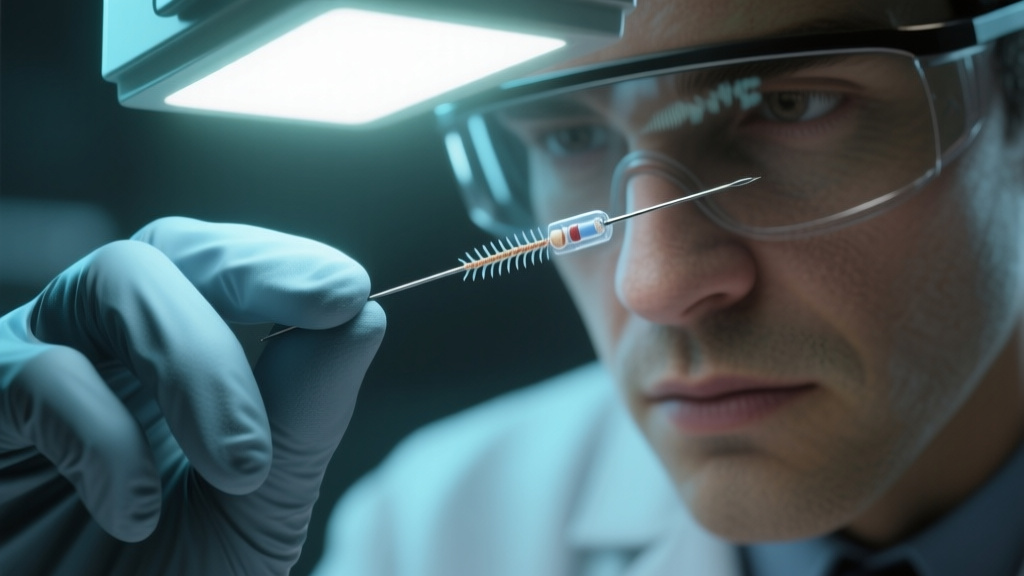
Image: Source (official), Source — Source📷 Source: Web
- ★Local drug delivery could reduce scarring
- ★Early-stage research, not yet clinical
- ★Oral meds don’t target wound sites
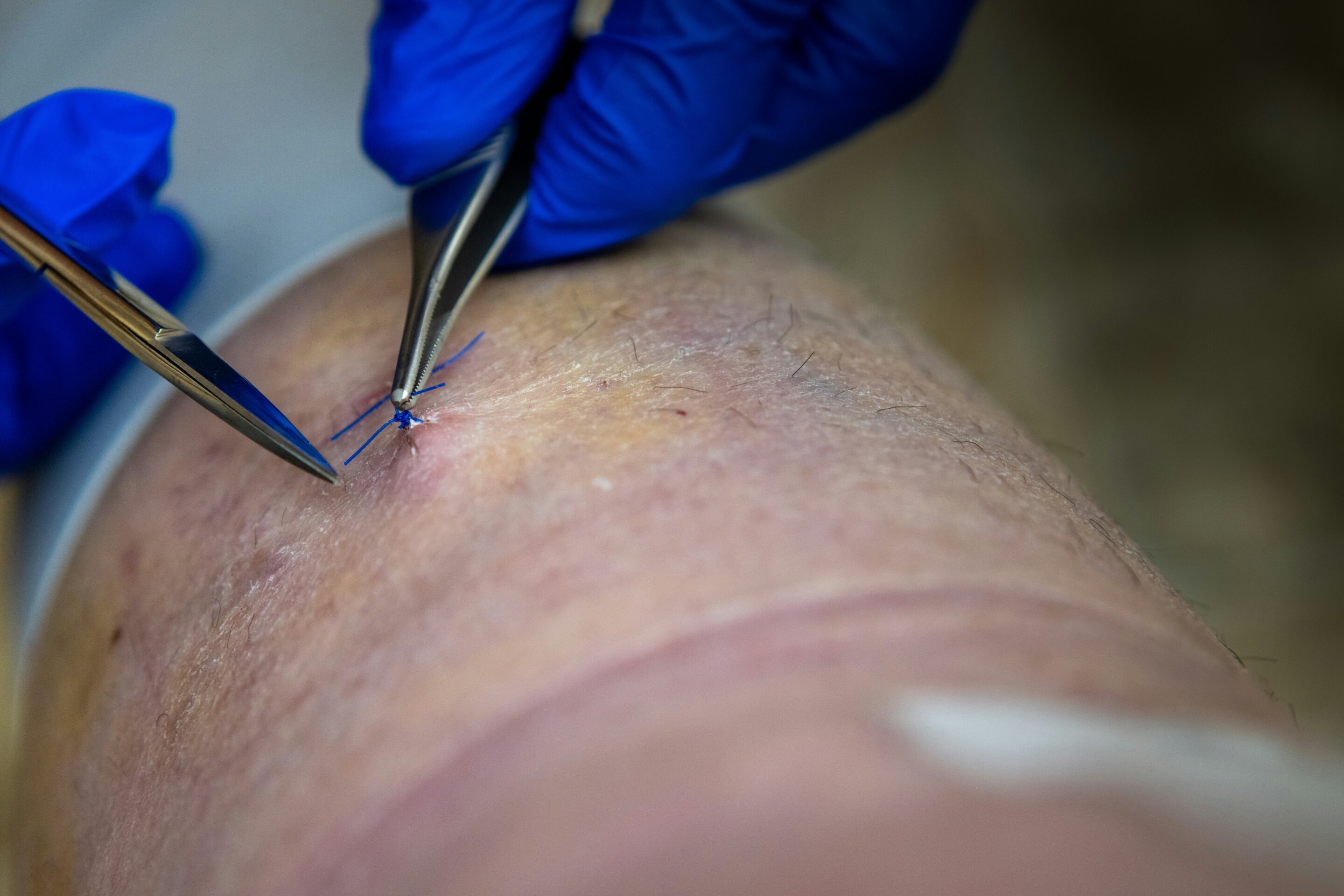
A new approach to post-surgical care is taking shape in laboratories, where researchers are developing stitches capable of releasing anti-inflammatory drugs directly at wound sites for weeks. Unlike oral medications like ibuprofen, which circulate throughout the body, these drug-eluting sutures aim to target inflammation precisely where it matters—reducing swelling, accelerating healing, and potentially minimizing scarring. The concept, detailed in a recent preprint study published in Bioactive Materials, represents a shift from systemic to localized treatment, addressing a longstanding gap in wound care.
Current post-surgical protocols rely on oral anti-inflammatories, which, while effective for pain relief, do little to address the localized inflammation that can impede healing. The stitch site itself often becomes a hotspot for swelling, a response that isn’t just uncomfortable but can delay recovery and increase scarring. The proposed solution—embedding drugs into the stitches—could theoretically solve this by delivering the medication exactly where it’s needed, for as long as the wound requires it. Early experiments in animal models show promise, but the technology is still in its infancy, far from regulatory approval or clinical use.
The study’s methodology involved coating absorbable sutures with a polymer matrix containing dexamethasone, a potent anti-inflammatory steroid. Over a period of weeks, the drug was released gradually, reducing inflammation at the wound site. While the results are encouraging, the sample size was limited, and the research remains preclinical—meaning human trials are years away, if they happen at all. This gap between laboratory promise and real-world application is a recurring theme in localized drug delivery research, where breakthroughs often stall before reaching patients.
Stitches That Heal: Anti-Inflammatory Drugs Directly at Wounds📷 Source: Web
A preprint study suggests surgical stitches could release anti-inflammatory drugs for weeks—but patient impact remains unclear
For now, the clinical relevance of these findings is minimal. Patients undergoing surgeries or treating deep cuts should continue to follow standard post-operative care, including oral anti-inflammatories as prescribed by their doctors. The idea of stitches that double as drug delivery systems is not new—similar concepts have been explored for antibiotics, pain relievers, and even cancer treatments—but translating such innovations into safe, scalable medical products has proven challenging. Regulatory hurdles, manufacturing complexities, and the need for rigorous clinical trials mean that even the most promising early-stage research rarely reaches the market intact.
What we don’t know far outweighs what we do. How long would the drug release last in human tissue? Would it interact unpredictably with other medications? And crucially, would the benefits—reduced scarring, faster healing—outweigh the risks, such as localized immunosuppression or delayed suture absorption? These questions remain unanswered, underscoring the speculative nature of the findings. The study’s authors acknowledge these limitations, noting that their work is a proof-of-concept, not a ready-to-use therapy.
The broader context here is the growing interest in localized drug delivery across medicine. From dissolvable stents that release heart medications to gels that prevent surgical adhesions, the field is brimming with ideas. Yet, the path from bench to bedside is littered with obstacles. For patients, the takeaway is clear: don’t expect drug-releasing stitches at your next surgery anytime soon. For researchers, the challenge is to refine the technology, expand the evidence base, and navigate the regulatory maze that stands between a laboratory breakthrough and a tool that can change lives.