LRG1 protein: A precise target for diabetic blindness prevention
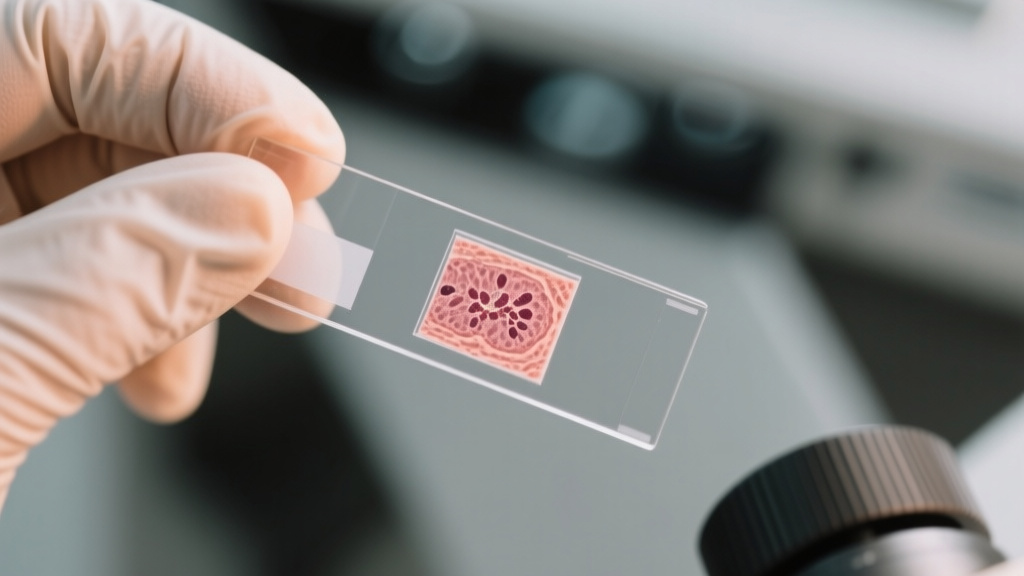
Image: Source (official), Source — Source📷 Source: Web
- ★LRG1 constricts retinal blood vessels in diabetic mice
- ★Blocking the protein halted early retinopathy damage
- ★Human trials remain years away—no immediate therapy
Diabetic retinopathy silently damages the eyes of one in three diabetes patients before symptoms appear. Now, researchers at ScienceDaily Health have isolated a protein, LRG1, that triggers the earliest vascular constriction in the retina—long before vision loss begins. The finding, published in Nature Metabolism, offers the first molecular explanation for how high blood sugar gradually chokes off oxygen to retinal cells.
The study’s core insight came from genetically modified mice: when LRG1 was suppressed, the animals’ retinal blood vessels remained intact despite diabetic conditions. Oxygen levels stabilized, and the cascade of damage that leads to blindness never started. This isn’t a cure, but it’s a rare example of preventive intervention—targeting the root cause before symptoms emerge.
Yet the methodology carries inherent limits. The research relied on mouse models, which only partially replicate human diabetic retinopathy. LRG1’s role in human eyes remains untested, and the protein’s broader functions in the body are poorly understood. Blocking it could have unintended consequences.
A mouse study with clear limits—but a rare mechanistic insight📷 Source: Web
A mouse study with clear limits—but a rare mechanistic insight
For patients today, this changes nothing. No LRG1-targeted therapy exists outside the lab, and the path from mouse studies to FDA-approved drugs typically spans a decade or more. The real significance lies in the mechanism: LRG1 appears to be a biological switch for early retinal damage, not just a bystander. That specificity could make it a cleaner target than current treatments, which focus on late-stage symptoms like swelling or abnormal blood vessel growth.
The study also underscores a persistent gap in diabetic care. While tools like AI-powered retinal scans can detect retinopathy early, no therapy yet interrupts its progression at the molecular level. LRG1 offers a plausible candidate—but only if follow-up research confirms its safety and efficacy in primates, then humans.
What’s missing? Data on how LRG1 interacts with existing diabetes medications, or whether its suppression could worsen other complications like neuropathy. The protein’s role in non-diabetic retinal health is another blind spot. Without answers, any talk of ‘preventing blindness’ remains speculative.