Image: Source (official), Source — Source📷 Source: Web
- ★Mice Brain Scans
- ★Age-Related Decline
- ★Human Brain Implications
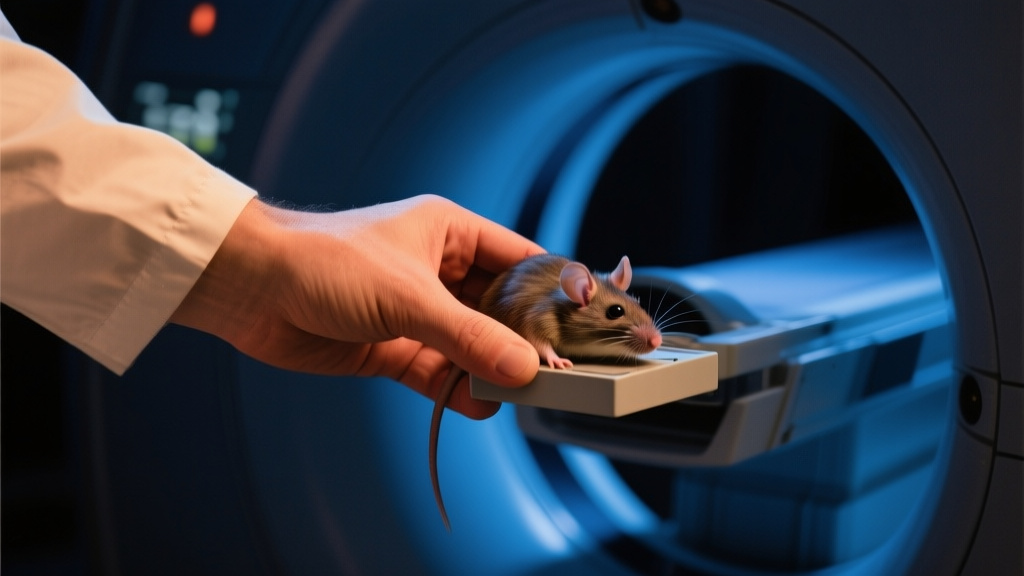
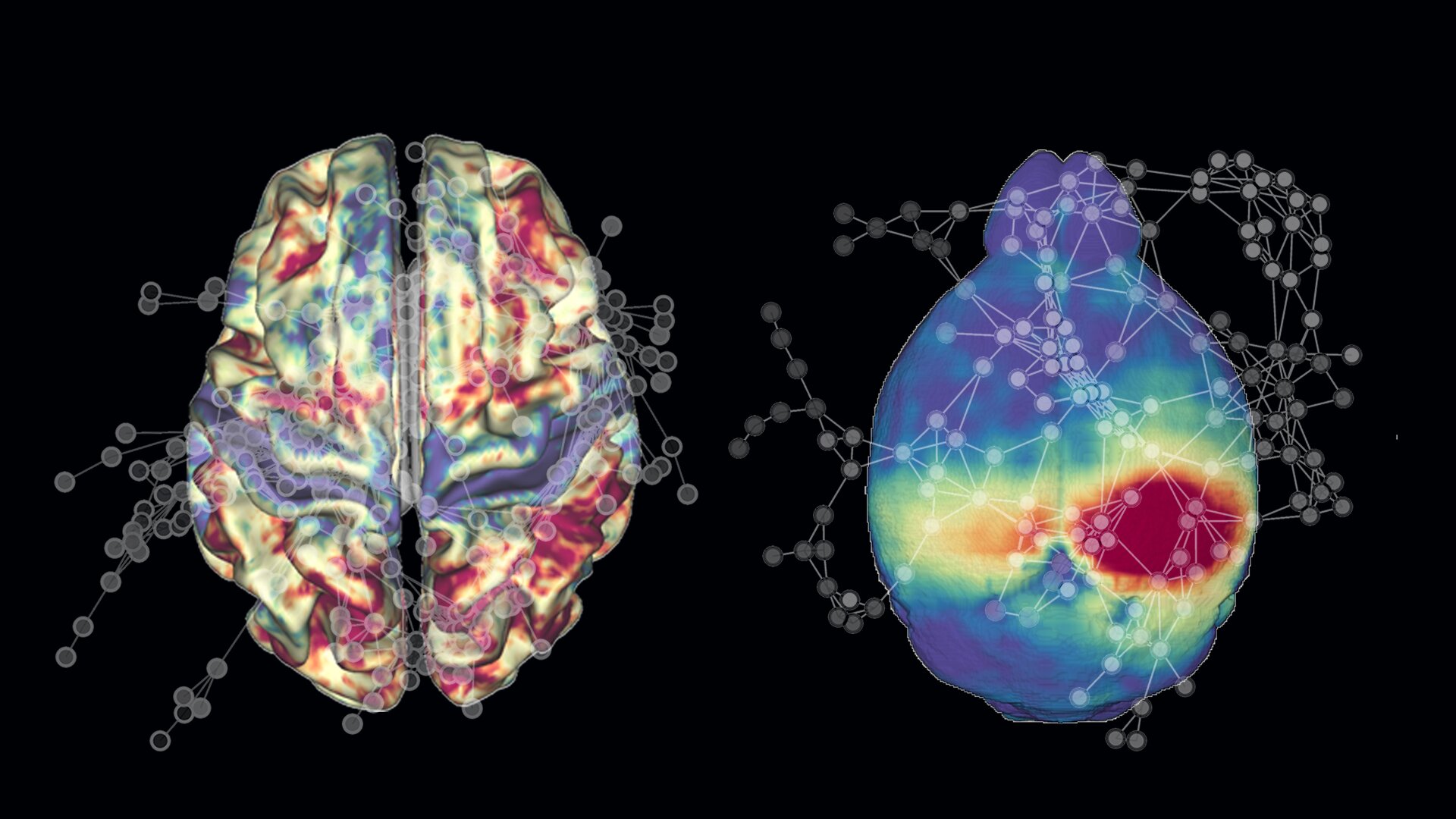
Scientists at Columbia's Zuckerman Institute and the University of Texas at Dallas conducted a study to shed light on how the human brain ages. By scanning the brains of mice throughout their lifespans, they discovered that the human brain is not unique in how it changes with age. This research was published in Proceedings of the National Academy of Sciences. The study involved scanning the brains of mice to understand changes in the brain with age.
The findings might one day help researchers pinpoint mechanisms in humans that confer vulnerability to, or grant resilience from, age-related brain decline, diseases, and disorders. According to available information, the study's results may have implications for understanding human brain aging and age-related diseases. The researchers used mice brain scans to gather data on brain changes over time.
The study aimed to shed light on how the human brain ages, and the results may provide valuable insights into the underlying mechanisms of age-related brain decline. The brains of mice were used to study changes in the brain with age, and the results were compared to human brain aging patterns. For more information, visit MedicalXpress.
Brain Aging Insights📷 Source: Web
Evidence level: research stage only
The study's results are based on a thorough analysis of the mice brain scans, and the findings are published online. The researchers note that the study has limitations, including a relatively small sample size. However, the results provide a foundation for future research into the mechanisms of age-related brain decline.
The real signal here is that the study's findings may help researchers understand mechanisms of age-related brain decline, diseases, and disorders in humans. The community is responding to the study's results, and some experts note that the findings are promising but preliminary. The study's results may have implications for understanding human brain aging and age-related diseases, but more research is needed to confirm the findings.
For all the noise, the actual story is that the study provides valuable insights into the underlying mechanisms of age-related brain decline. The researchers used a rigorous methodology to gather and analyze the data, and the results are based on a thorough analysis of the mice brain scans. Visit The Verge for more information on the latest medical research.