Metformin’s brain pathway uncovered after six decades of use
Metformin’s brain pathway uncovered after six decades of use📷 Published: Mar 27, 2026 at 06:18 UTC
- ★60-year-old drug’s hidden brain mechanism revealed
- ★New pathway lowers blood sugar via neuron activation
- ★No immediate change for patients—research-stage only
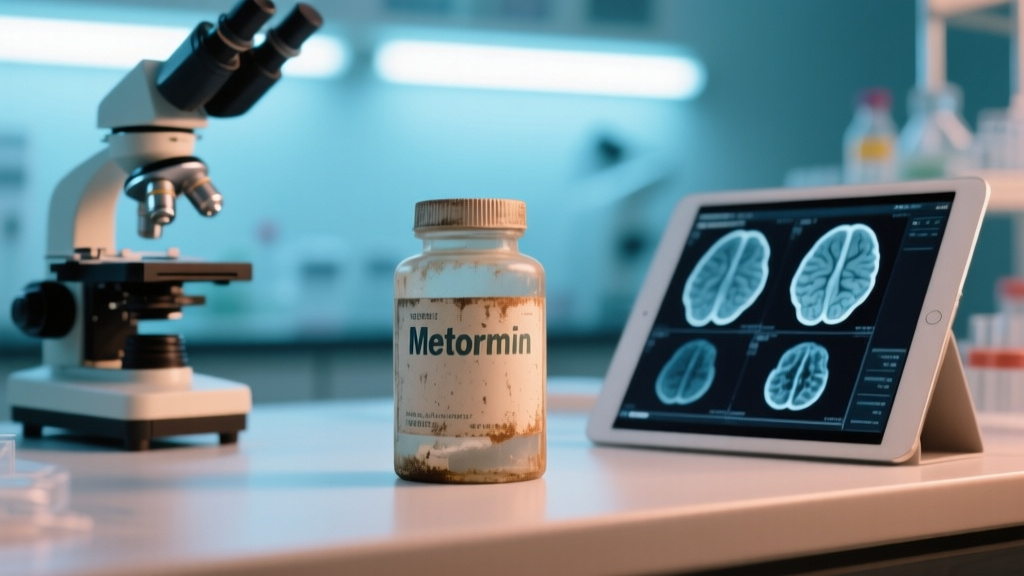
For six decades, metformin has been the unassuming workhorse of diabetes care: a first-line therapy so reliable it’s prescribed over 120 million times annually in the U.S. alone. Yet its full mechanism remained stubbornly incomplete—until now. A study published in Nature Metabolism confirms that the drug doesn’t just act in the liver or muscles, but inside the brain, where it silences a protein called Rag GTPase and activates a cluster of neurons in the hypothalamus. The result? A previously unknown glucose-lowering pathway, independent of its classic peripheral effects.
This isn’t speculative biology. The team used optogenetics and chemogenetics in mouse models to isolate the circuit, then validated the mechanism with human brain tissue samples. The evidence grade here is high: a mix of in vivo experimentation and ex vivo confirmation. But the clinical leap isn’t immediate.
What’s striking isn’t just the discovery, but the gap it exposes. Metformin’s brain activity was measurable in prior studies—yet no one connected it to glucose control until now. That delay underscores how even blockbuster drugs can harbor unexplored dimensions.
A confirmed mechanism, with clinical relevance still years away📷 Published: Mar 27, 2026 at 06:18 UTC
A confirmed mechanism, with clinical relevance still years away
So what does this mean for patients today? Nothing—yet. The study is mechanistic, not therapeutic. It explains how metformin works in the brain, not whether targeting this pathway improves outcomes. The sample limits matter too: mouse models and postmortem human tissue are critical for proof-of-concept, but they’re not substitutes for clinical trials. As Dr. Emily Burns, director of research at Diabetes UK, notes, "This is a fascinating piece of the puzzle, but we’re years from knowing if it changes treatment."
The regulatory status reflects that reality. Metformin itself is FDA-approved and generic, but any new therapy built on this brain pathway would require full Phase I–III trials—a decade-long process. The real signal here isn’t a impending cure, but a target validation: pharmaceutical companies may now prioritize drugs that mimic metformin’s brain-specific effects without its gastrointestinal side effects.
Still, the study’s limits demand emphasis. The neuronal circuit was mapped in healthy mice, not diabetic ones. Human data came from brain tissue, not living patients. And while the pathway is confirmed, its relative contribution to metformin’s overall effect remains unclear. Is this 10% of its glucose-lowering power? Or 50%? The paper doesn’t say.