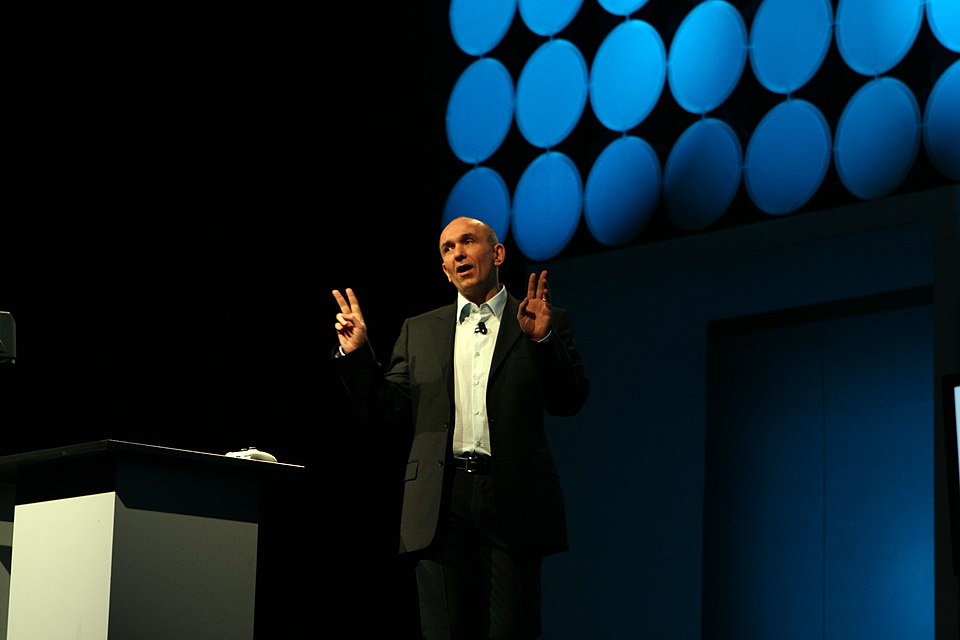
Peter Molyneux’s god game lets you be evil—by accident📷 Published: Apr 15, 2026 at 12:03 UTC
- ★Molyneux wants players to gasp at their own cruelty
- ★Health and safety laws bend like wet cardboard
- ★God sims return with a moral hangover
Peter Molyneux has spent three decades teaching players that godhood comes with a conscience. Masters of Albion appears to double down on that lesson, but with a twist: this time, you might not notice you’re the bad guy until the villagers are already drowning. The game’s preview highlights a single in-game day where health and safety laws function more like suggestions than rules—a design choice that turns governance into a moral minefield. One misplaced bridge or unchecked plague, and suddenly you’re the deity who let children fall into rivers. Molyneux’s quote about players realizing “oh s**t, I am a bit evil!” isn’t just flavor text; it’s the game’s core mechanic.
This isn’t new territory for Molyneux, whose past works like Black & White and Fable relied on similar moral ambiguity. But where those games often framed evil as a deliberate choice (sacrificing villagers for power, say), Albion seems to treat it as an inevitable side effect of unchecked power. The preview’s focus on a single day suggests a game where consequences unfold rapidly, forcing players to confront the gap between their intentions and their actions. If Black & White was about playing god, Albion might be about realizing you’re not a very good one.
Early community reactions on forums and Steam discussions lean into the game’s potential for chaos. Players are already debating whether the game will punish cruelty or reward it, with some arguing that Molyneux’s history of overpromising and underdelivering could turn Albion into a cautionary tale about god games themselves. The real question isn’t whether you can be evil—it’s whether the game will let you stay evil without collapsing under the weight of your own hubris.
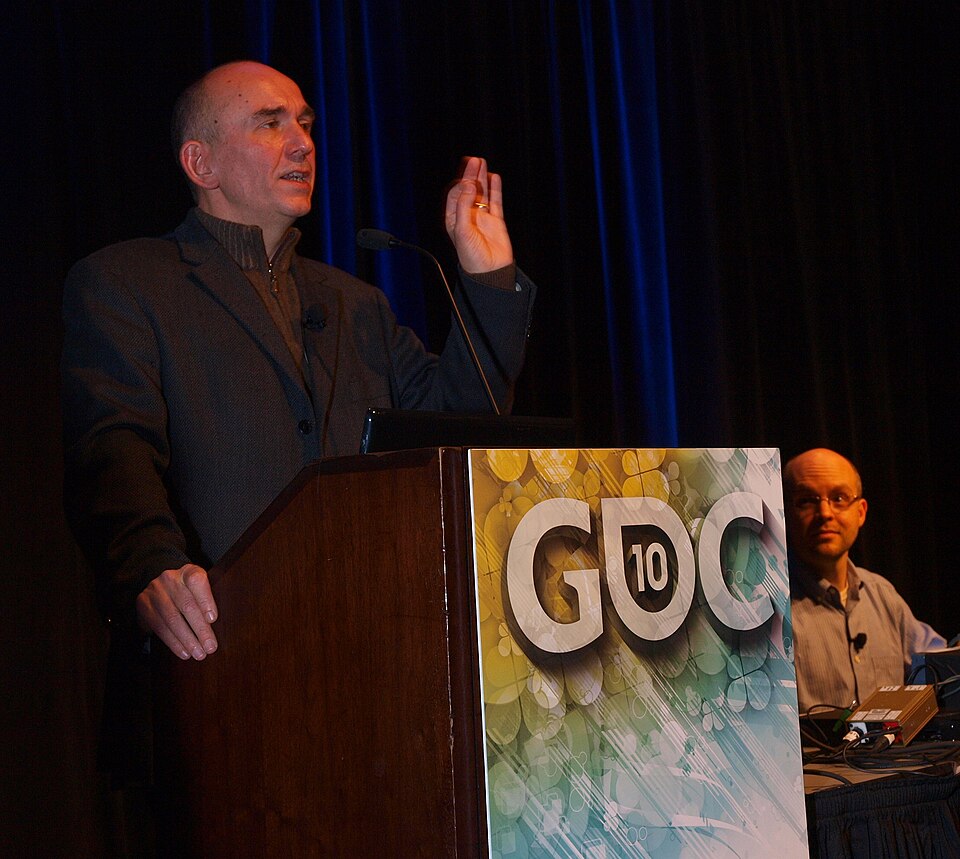
The real twist isn’t power—it’s realizing you’re the villain📷 Published: Apr 15, 2026 at 12:03 UTC
The real twist isn’t power—it’s realizing you’re the villain
The game’s emphasis on moral flexibility aligns with a broader trend in strategy games, where player agency is increasingly tied to unintended consequences. Titles like Frostpunk and Cities: Skylines have explored similar themes, but Albion’s godlike perspective removes the buffer of abstraction. You’re not just managing a city; you’re shaping a world, and the game seems designed to make you question whether you’re doing it well. The preview’s focus on health and safety laws as “guidelines” is particularly telling—it’s not just about bending rules, but about the game actively encouraging you to test their limits.
Of course, Molyneux’s track record means the community is already bracing for potential disappointment. His last major release, Godus, was criticized for failing to deliver on its promises, leaving players skeptical about whether Albion can avoid a similar fate. The lack of details on release date or platforms only adds to the uncertainty, with some fans speculating that the game might be delayed or reworked before launch. Still, the core idea—of a god game where power corrupts, even when you don’t mean it to—feels like a natural evolution of Molyneux’s work.
For all the noise about moral choices, the real story here might be about player psychology. Albion isn’t just asking whether you can be evil; it’s asking whether you’ll notice when you are. And if the preview is any indication, the answer is a resounding yes—just a little too late.
The real test won’t be whether Albion lets you be evil—it’s whether it can deliver on the promise of making you feel evil without collapsing into chaos. If Molyneux’s past is any indication, the line between brilliance and disaster is thinner than a village’s health and safety budget.