Robots in the Wild: Why Gamers Should Care About RAI’s Mall Experiment
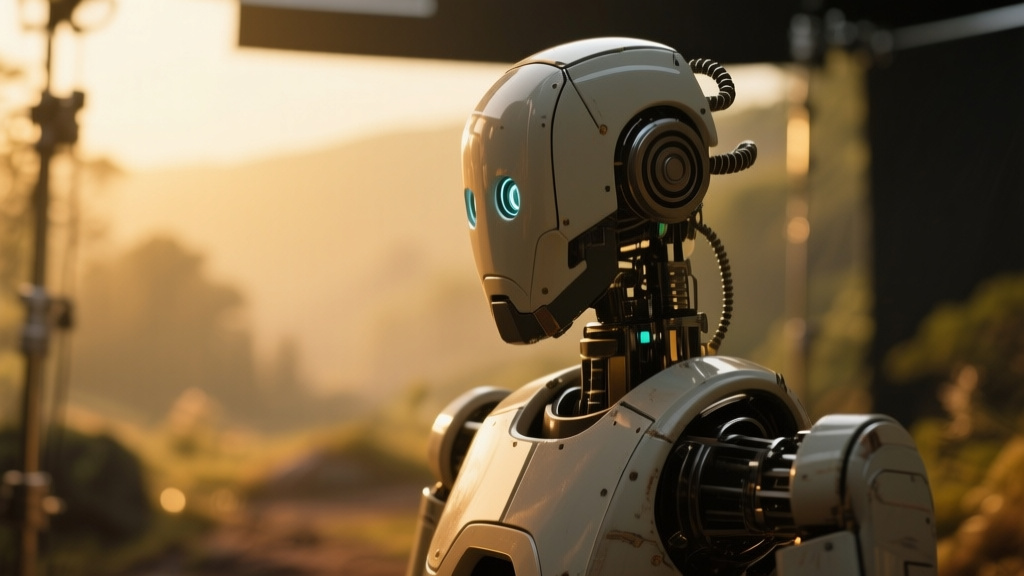
Robots in the Wild: Why Gamers Should Care About RAI’s Mall Experiment📷 Source: Web
- ★RAI Institute’s 2025 mall robot demo targeted public perception gaps
- ★Players’ robot opinions shaped by pop culture, not real interactions
- ★Community split: curiosity vs. skepticism over AI companions
The RAI Institute didn’t just drop robots into a CambridgeSide mall in summer 2025 for fun. They staged a calculated experiment: What if people actually used robots before forming opinions? The gaming community, steeped in Overwatch’s Omnic Crisis lore and Detroit: Become Human moral dilemmas, has spent years debating AI ethics—yet most have never shaken a robot’s hand. This gap between fiction and reality is exactly what RAI aimed to exploit.
The event’s timing wasn’t accidental. By 2025, Steam’s robot-themed games had doubled since 2020, but player reviews revealed a pattern: enthusiasm for virtual robots rarely translated to trust in real ones. Reddit threads like r/Artificial buzzed with theories about ‘robot uprisings,’ while IEEE’s research quietly noted most humans still flinch at a Roomba’s sudden turn. RAI’s popup was a gamble—could hands-on demos rewrite years of sci-fi conditioning?
Early signals suggest the answer is complicated. Players who interacted with the bots reported surprise at their clumsiness (‘less Terminator, more toddler’, per one Twitter thread), but also unexpected warmth toward collaborative tasks. The friction point? Expectations. Gamers wanted Boston Dynamics’ agility, but got prototypes designed for cooperation, not spectacle.
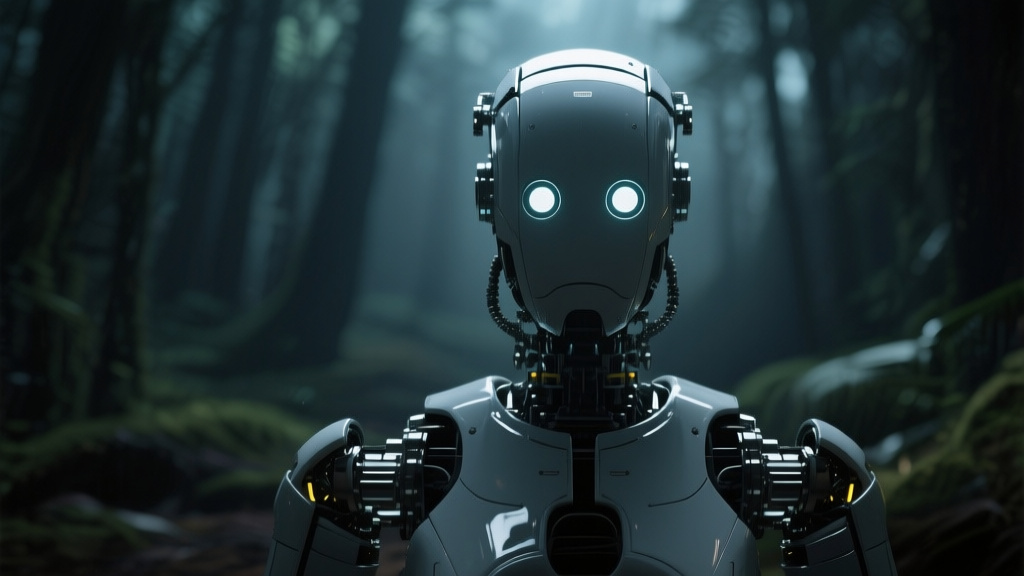
Robots in the Wild: Why Gamers Should Care About RAI’s Mall Experiment📷 Source: Web
Pop culture hype meets reality—what happens when players actually touch the tech
The PATCH TRANSLATOR moment here isn’t about code—it’s about narrative. RAI’s demo wasn’t selling hardware; it was debugging public perception. For players, this mirrors the shift from ‘robots as enemies’ (see: Horizon Zero Dawn’s machines) to ‘robots as teammates’ (e.g., Astro’s Playroom). The community pulse reveals a split: curiosity from builders (modders, VR devs) and skepticism from storytellers (RPG players, lore deep-divers).
Backlash radar pings on two fronts. First, the ‘uncanny valley’ problem—players accustomed to NVIDIA’s hyper-realistic avatars found the mall bots underwhelming. Second, the ‘where’s the gameplay?’ critique. Unlike AI Dungeon’s text adventures or DeepMind’s StarCraft bots, these robots didn’t compete—they assisted. For a community wired to ‘git gud,’ that’s a tough sell.
The real signal isn’t whether the demo ‘worked,’ but how it exposed the gap between player fantasies and designer intentions. RAI’s bet? That direct interaction—even clunky—beats another ‘robots steal jobs’ headline. The jury’s still out on whether gamers will buy it.