NVIDIA Just Threw Kubernetes a GPU Party, But Will Games Get the Cake?
NVIDIA Just Threw Kubernetes a GPU Party, But Will Games Get the Cake?📷 Published: Mar 24, 2026 at 12:00 UTC
- ★Donating a dynamic GPU allocation driver
- ★Kubernetes as the engine for cloud gaming
- ★Community debates the AI hype versus play
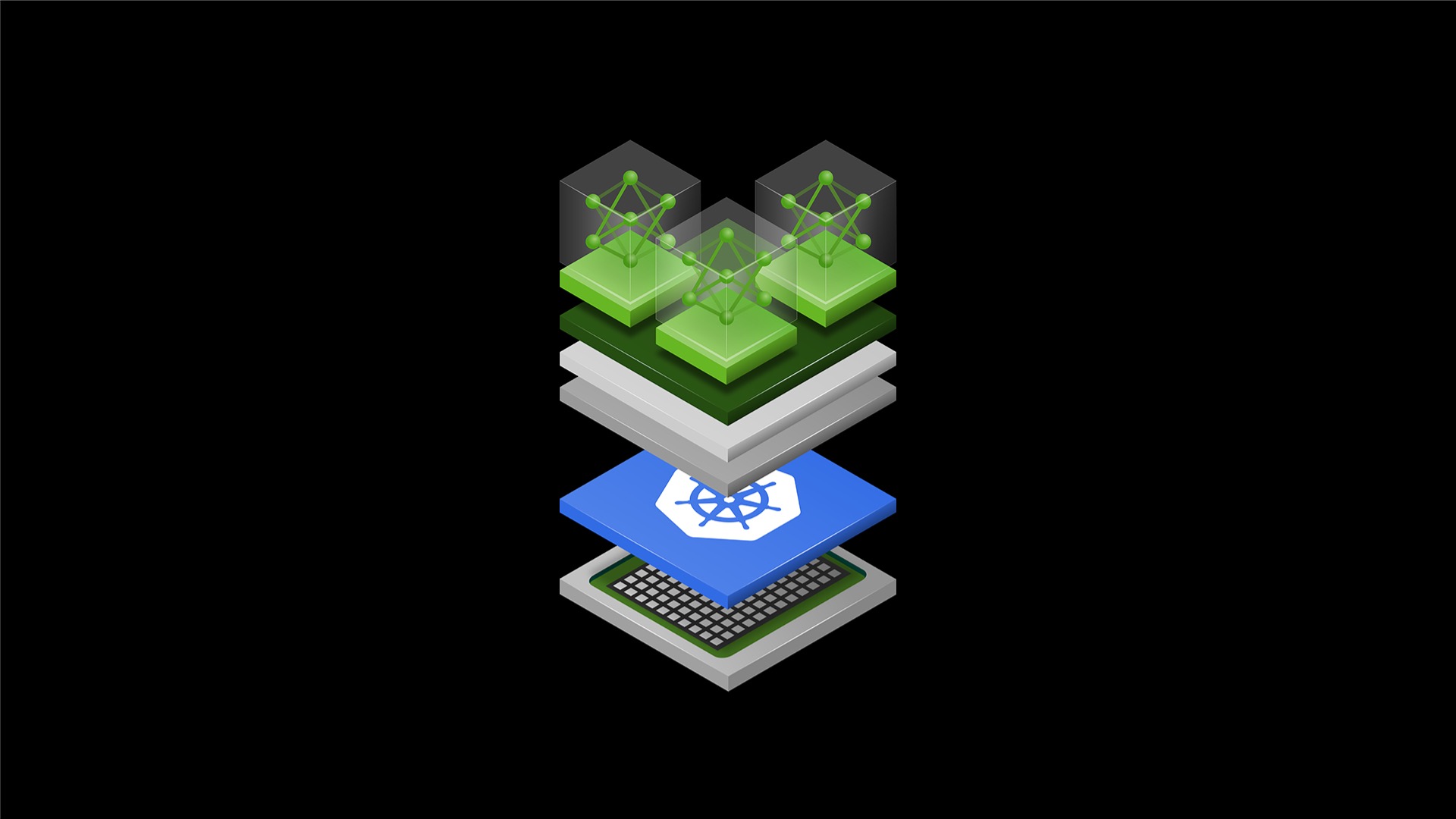
NVIDIA’s recent move—donating a Dynamic Resource Allocation Driver for GPUs to the Kubernetes community—is a classic backend power play. For the gaming sphere, this is less about the latest ray-tracing demo and more about the invisible infrastructure that could one day underpin everything from cloud gaming services to massive AI-powered in-game worlds. Kubernetes is the open-source platform where most enterprise AI workloads already live, and now it’s getting better tools to manage GPU resources dynamically.
The player-facing angle? Think of it as a potential performance patch for the cloud itself. If AI services running on Kubernetes get smoother and more efficient, that could eventually translate to more responsive NPCs, better matchmaking, and more stable servers for games that rely on heavy backend computation. It’s the kind of update you’ll never see in a patch note but might feel in a lag-free, 100-player battle royale session hosted on a service like GeForce NOW.

A community driver with a player-facing lag📷 Published: Mar 24, 2026 at 12:00 UTC
A community driver with a player-facing lag
Applying a PATCH TRANSLATOR lens, this doesn’t change your gameplay meta tomorrow. The real signal is about resource efficiency for developers building the next generation of online and AI-integrated games. However, the COMMUNITY PULSE on forums like Reddit’s r/gaming and r/programming reveals a familiar tension: excitement about powerful new tools is tempered by skepticism about when—or if—the benefits trickle down to actual players.
There’s speculation that this could improve the performance of AI applications on Kubernetes, but for now, it’s a developer-level upgrade. The PLAYER EXPECTATION is clear: gamers want smoother experiences and smarter game worlds, not just impressive tech blogs. The BACKLASH RADAR points to a classic disconnect: when a big tech announcement feels like it’s solving problems for data centers, not for the player stuck in a login queue or dealing with a clunky AI companion.