
AI prior auth test slows care for seniors📷 Published: Apr 23, 2026 at 09:08 UTC
- ★AI-driven Medicare test hits Washington hospitals
- ★Senator calls to scrap the program
- ★Delays tied to automated decision bottlenecks
A federally backed test of AI-driven prior authorization is gumming up the works at Washington state hospitals, with seniors bearing the brunt of the delays. STAT News reports that the Medicare pilot, designed to streamline approvals, has instead created new bottlenecks in a system already notorious for its friction. According to lawmakers, the test prioritizes algorithmic efficiency over patient needs—an outcome that’s raising alarms about the rush to automate healthcare without proper safeguards.
The program, likely run by Medicare contractors like Palmetto GBA or Optum, leans on AI to parse treatment requests in real time, but the reality is less seamless than the pitch. Hospitals in Washington report that approvals for even routine procedures now drag for days, a delay that can turn urgent care into a waiting game for elderly patients. Early signals suggest the biggest slowdowns hit complex treatments, where prior authorization was already a hurdle.
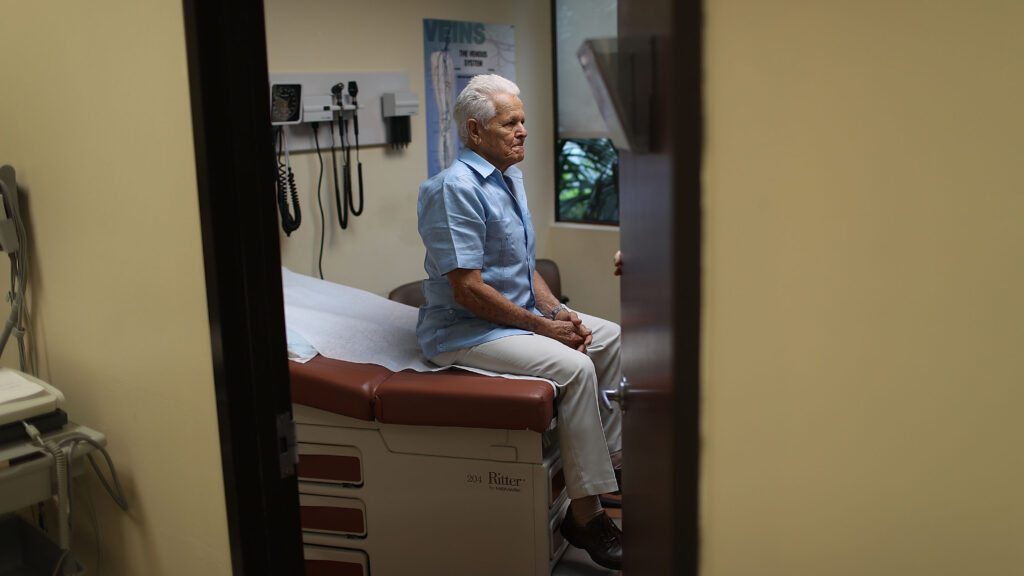
Algorithm-powered authorization exposes the gap between Medicare’s AI promises and patient care📷 Published: Apr 23, 2026 at 09:08 UTC
Algorithm-powered authorization exposes the gap between Medicare’s AI promises and patient care
Senators are now demanding the experiment end, arguing that the trade-off between speed and accuracy isn’t worth the risk. The CMS Innovation Center, which typically pilots new payment models, may be behind this effort, though details remain scarce. Patients and providers in Washington describe a system where AI flags trigger endless loops of requests and reviews, a cycle that echoes the worst stereotypes of automated bureaucracy.
If confirmed, the fallout could reshape how Medicare deploys AI, forcing regulators to confront a simple truth: algorithms don’t heal patients—they only enforce the rules faster.
The irony? A program billed as a leap forward is just recycling the same old paperwork, now with a silicon sheen. Next time someone pitches ‘AI for healthcare,’ ask them to prove it fixes real pain points—not just slide decks.