Meta's glasses contractors see users' accidental intimacies, lawsuit claims

Meta's glasses contractors see users' accidental intimacies, lawsuit claims📷 Published: Apr 22, 2026 at 16:04 UTC
- ★Human contractors review private footage
- ★Users unaware of recordings
- ★Lawsuit alleges inadequate disclosure
Meta's AI smart glasses were pitched as seamless augmentation—point, capture, share. According to a lawsuit cited by PC Gamer, that seamlessness extends to footage contractors reviewing video streams, including moments users never intended to record. The plaintiffs describe contractors exposed to "far more than they bargained for": private interactions, accidental captures, intimate scenes recorded without the wearer's knowledge.
The glasses' design—always-available cameras triggered by voice or touch—creates what researchers call "continuous capture risk." Users may activate recording without realizing frame boundaries, lighting conditions, or background activity. One contractor quoted in the filing noted: "People can record themselves in the wrong way and not even know what they are recording." Meta's Ray-Ban Stories and subsequent models rely on machine learning that requires human review for training, quality control, and content moderation. That pipeline, the lawsuit argues, systematically funnels unfiltered personal moments to third-party workers.
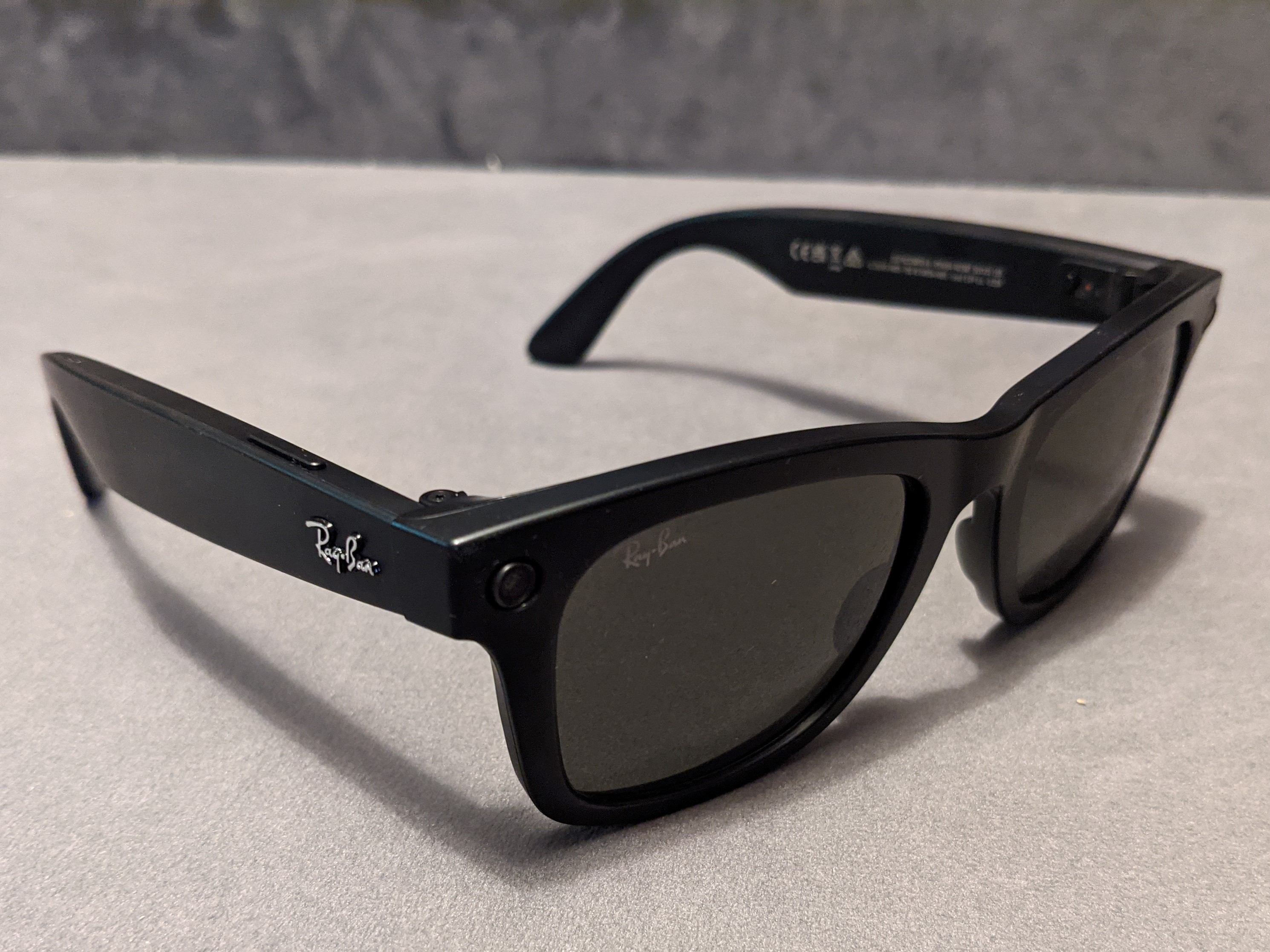
The gap between product promise and worker reality📷 Published: Apr 22, 2026 at 16:04 UTC
The gap between product promise and worker reality
The legal challenge centers on disclosure gaps. While Meta's privacy documentation acknowledges human review for some AI training data, the lawsuit claims users lack specific understanding of what contractors access—particularly for footage captured accidentally or in sensitive contexts. This mirrors broader tensions in AI labor: content moderators at major platforms have repeatedly reported psychological harm from reviewing unfiltered user content.
For the AI industry, the case surfaces uncomfortable questions about whose labor—and whose exposure—enables polished consumer experiences. Meta has not publicly responded to the specific allegations. The lawsuit arrives as competitors including Apple and Xiaomi advance similar wearable camera products, each with comparable review pipelines for their AI systems.
The real signal here is structural: ambient computing devices generate continuous data streams that resist clean boundaries between intentional and accidental capture. Human review, currently unavoidable for training reliable AI, creates accountability gaps that neither product marketing nor boilerplate privacy policies adequately address.
If contractors are the necessary human filter for AI training, what standards govern their protection—and why weren't those disclosed to users from launch?