WordPress AI agents: automation or just another content mill?📷 Published: Apr 16, 2026 at 04:17 UTC
- ★WordPress.com adds AI agents for full post publishing
- ★Lower publishing barriers may flood the web with AI content
- ★Hype vs. reality: what’s truly new here?
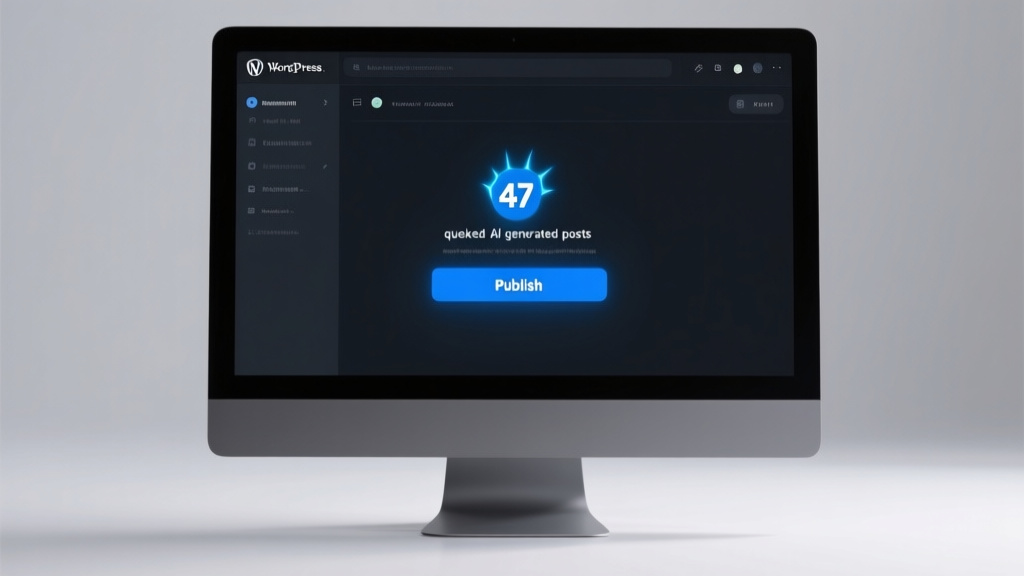
WordPress.com just flipped a switch that could reshape the web’s content economy. Its new AI agents don’t just draft posts—they hit ‘publish’ without human oversight. For creators and businesses, this is pitched as a productivity leap, a way to churn out newsletters, product updates, or SEO fodder at scale. But the real story isn’t efficiency; it’s the normalization of machine-generated content as a default, not an exception.
The timing is telling. WordPress powers 43% of all websites, and its move follows a pattern: platforms like Medium and Substack have already integrated AI writing tools, but none have gone this far. The difference? WordPress isn’t just offering a co-pilot—it’s handing over the keys. Early signals suggest these agents could edit, schedule, and even optimize posts for SEO, blurring the line between tool and author.
For publishers, this is a double-edged sword. On one hand, small teams can now compete with larger outlets by automating routine content. On the other, the web’s signal-to-noise ratio is about to take another hit. If every blog, affiliate site, and corporate newsroom starts pumping out AI-generated posts, the bar for originality—and quality—will drop further. The question isn’t whether this will happen, but how fast.
The hype filter here is crucial. WordPress’s announcement frames this as a ‘democratization’ of publishing, but the real beneficiaries are likely businesses that treat content as a commodity. For independent creators, the risk is becoming indistinguishable from the noise. And for readers? They’re the ones left sifting through an ocean of synthetic prose.
The gap between efficiency gains and the race to the bottom📷 Published: Apr 16, 2026 at 04:17 UTC
The gap between efficiency gains and the race to the bottom
The competitive implications are already rippling. Rival platforms like Ghost and Squarespace may feel pressure to match WordPress’s automation, but they’ll need to balance it with their own editorial values. Ghost, for instance, has publicly rejected AI-generated content in its official publications, positioning itself as a haven for human writing. WordPress’s move could force a reckoning: do platforms prioritize scale or integrity?
Developers and the open-source community are watching closely. WordPress’s AI agents are built on top of its existing infrastructure, including Jetpack and SEO plugins, which means third-party developers might soon extend or monetize these features. GitHub activity around WordPress plugins has already spiked, with some developers experimenting with automated content pipelines. But there’s a catch: if these agents rely on generic AI models, the content they produce will be as distinctive as a fast-food burger—technically edible, but hardly memorable.
The reality gap is stark. Demos show seamless automation, but real-world deployment will reveal the limitations. AI agents can’t fact-check breaking news, capture nuanced opinions, or adapt to cultural shifts. They’re great at churning out listicles, product descriptions, and evergreen content, but they’ll struggle with anything requiring depth or originality. The real bottleneck isn’t the technology—it’s the demand for content that doesn’t feel like it was written by a bot.
For all the noise, the actual story is simpler: WordPress has made it easier to flood the web with content, but it hasn’t solved the problem of making that content worth reading. The winners here aren’t creators—they’re the platforms and businesses that treat words as a commodity. The losers? Anyone who still believes the internet should be a place for human ideas.
In other words, WordPress just gave the web’s content mills a turbo button. The irony? The more we automate publishing, the less there is to publish about. After all, if everyone’s using the same AI tools, what’s left to differentiate? A sea of mediocrity, where the only thing that stands out is the occasional human voice—if anyone still bothers to listen.