AI’s power problem is energy’s golden ticket📷 Published: Apr 16, 2026 at 08:16 UTC
- ★Data centers hit by energy shortages
- ★Investors pivot to grid and renewables
- ★Hype vs. real scalable power solutions
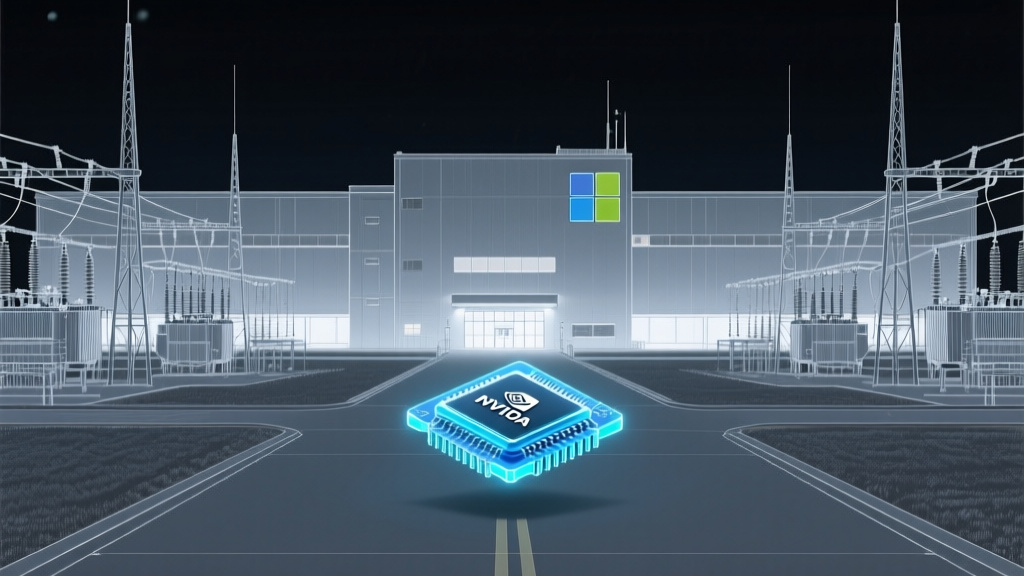
Microsoft’s latest earnings call buried the lede: its AI data centers now consume more electricity than some small countries. The company’s Q2 filings revealed a 34% spike in energy costs year-over-year, a figure that’s quietly become the industry’s dirty secret. While Nvidia’s GPUs hog the spotlight, the real constraint isn’t compute—it’s the grid’s inability to keep up. Even Sam Altman, OpenAI’s CEO, has publicly admitted that AI’s future hinges on breakthroughs in energy tech, not just model architectures.
The hype filter here is simple: energy wasn’t a bottleneck until AI made it one. Traditional data centers operated within existing grid capacity, but AI’s power demands—estimated at 10x higher per query than conventional workloads—have exposed cracks in infrastructure. The irony? The same investors who poured billions into AI startups are now scrambling to fund the very thing they ignored: the power plants, batteries, and grid upgrades needed to keep their models running. Goldman Sachs projects that AI could drive a 160% increase in U.S. data center power demand by 2030, a number that makes even the most bullish AI forecasts look conservative.
But here’s the reality gap: most of the energy solutions being pitched—from small modular reactors to next-gen batteries—are still in pilot phases. The companies actually benefiting today aren’t the futuristic startups, but the boring ones: grid operators like NextEra Energy and renewable providers like Ørsted, whose stock prices have ticked up in lockstep with AI’s power crunch. The real winners, it turns out, might be the ones who never mentioned AI in their investor decks.
The bottleneck isn’t compute—it’s the grid📷 Published: Apr 16, 2026 at 08:16 UTC
The bottleneck isn’t compute—it’s the grid
The developer signal is telling. GitHub repositories for energy-aware AI workloads—like Microsoft’s Carbon-Aware SDK—have seen a 400% increase in stars over the past year, a rare bright spot in an otherwise stagnant green-tech space. Meanwhile, cloud providers are quietly rewriting SLAs to include energy efficiency clauses, a tacit admission that power costs are now as critical as uptime. The shift is so pronounced that even AWS, which has historically downplayed energy constraints, now offers customers tools to track their carbon footprint in real time.
The industry map is redrawing itself. Hardware startups that once promised ‘AI at the edge’ are pivoting to ‘AI with a side of microgrids,’ while traditional energy players are suddenly courted by Silicon Valley. The competitive advantage isn’t just in faster chips anymore—it’s in who can secure the most reliable power contracts. And with utilities in deregulated markets charging premiums for AI workloads, the gap between haves and have-nots is widening. The question isn’t whether energy tech will be the next AI gold rush, but whether the solutions can scale fast enough to avoid becoming the next bottleneck.
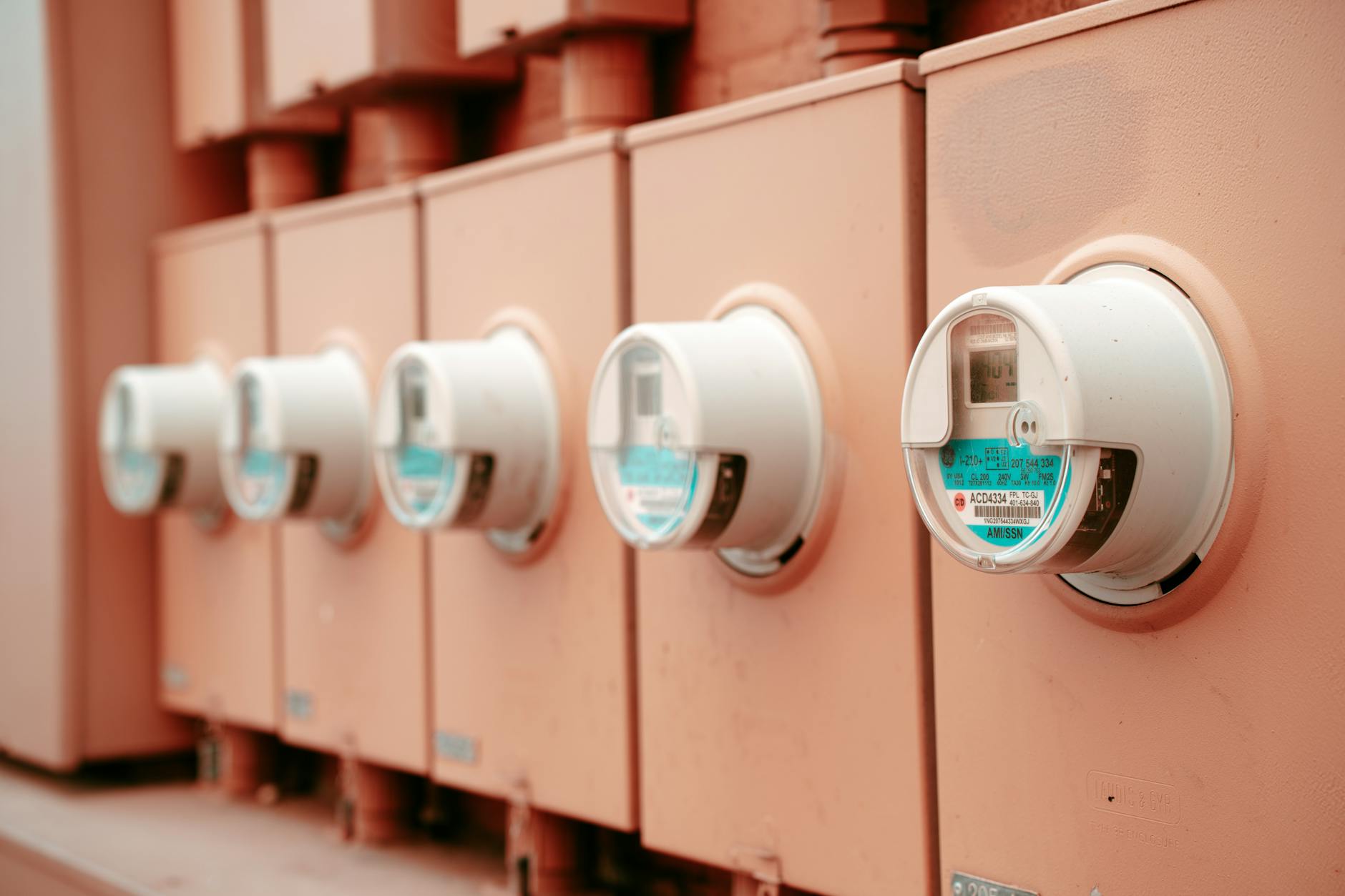
For all the talk of AGI, the most immediate constraint isn’t intelligence—it’s the mundane physics of keeping the lights on. The real signal here isn’t in the next model release, but in the transmission lines connecting data centers to the grid. And right now, those lines are straining under the weight of their own hype.
The concrete implication is that energy efficiency will soon be a core KPI for AI deployments, not just a sustainability checkbox. Companies that can’t optimize for power will find themselves priced out of the market, while those that can may unlock a new competitive moat. Expect cloud providers to start offering ‘energy-optimized’ tiers, and for power contracts to become as strategic as GPU supply deals.