Supermicro’s AI leak probe exposes the real supply chain war

Supermicro’s AI leak probe exposes the real supply chain war📷 Published: Apr 11, 2026 at 02:03 UTC
- ★Former employees accused of AI tech shipments to China
- ★Supermicro’s public commitment to IP protection
- ★US-China tech rivalry intensifies behind hardware
Supermicro, the server hardware giant that powers much of the world’s AI infrastructure, is under investigation for alleged shipments of AI technology to China by former employees. The company’s public statement framing itself as a guardian of American intellectual property reads like a preemptive PR move—one that underscores how high the stakes have become in the AI hardware race. If confirmed, this wouldn’t just be a compliance failure; it would be a direct challenge to Washington’s efforts to restrict China’s access to advanced AI chips and systems.
The timing is telling. The U.S. has spent the last two years tightening export controls on AI hardware, from Nvidia’s GPUs to ASML’s lithography machines, while China has ramped up its own domestic production of AI accelerators. Supermicro’s servers are a critical, if often overlooked, piece of this puzzle. They’re the physical backbone of AI training clusters, and their firmware and design can carry sensitive optimizations that give away competitive advantages. The fact that this investigation is happening now—rather than during the Trump-era trade war—suggests the U.S. is no longer just worried about China catching up. It’s worried about China leapfrogging.
What’s missing from the narrative? The scope of the alleged shipments. Were these isolated incidents, or part of a pattern? And crucially, was this an inside job or a case of employees freelancing for profit? The answers could reshape how companies like Supermicro, Dell, and HPE handle supply chain security—especially as AI hardware becomes more specialized and harder to replace.
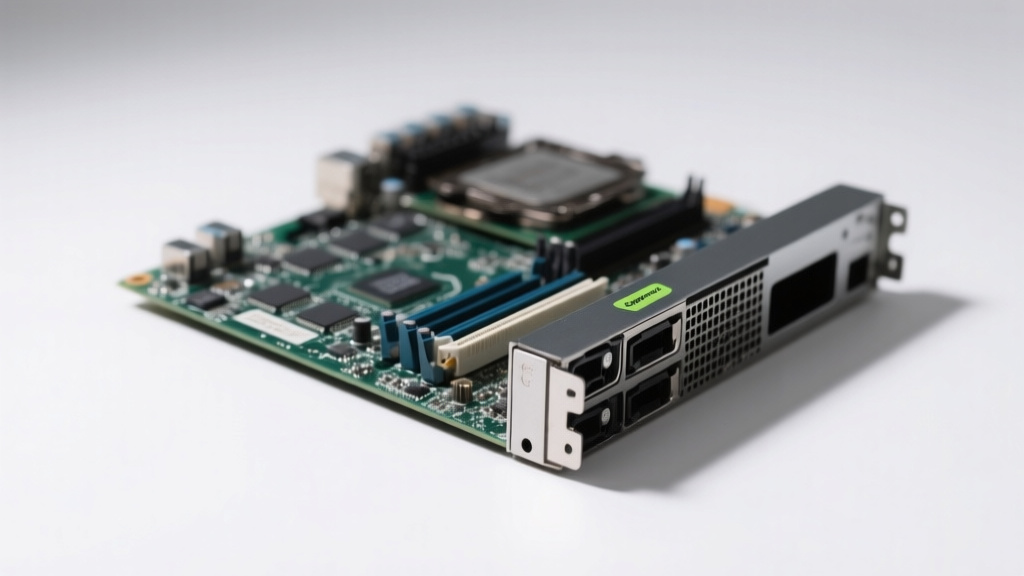
The investigation isn’t just about servers—it’s a benchmark for how seriously the US takes AI hardware security📷 Published: Apr 11, 2026 at 02:03 UTC
The investigation isn’t just about servers—it’s a benchmark for how seriously the US takes AI hardware security
The real irony here is that Supermicro’s business model has long relied on being the agnostic, cost-effective alternative to hyperscale giants like Google and Meta. Its servers are the workhorses of AI startups, research labs, and even some government agencies. But as AI hardware becomes a national security priority, that neutrality is now a liability. The company’s 2023 earnings report showed a 43% year-over-year revenue jump, driven largely by AI-related demand. That growth is exactly what makes it a target—for both foreign espionage and domestic scrutiny.
For developers and enterprises, this investigation is a wake-up call. The AI supply chain isn’t just about chips and cloud credits; it’s about the physical infrastructure that runs them. Companies that assumed their hardware suppliers were secure may now need to audit their entire stack, from firmware to logistics. The open-source community, which often treats hardware as a black box, might also start paying closer attention to how these systems are designed and where they’re manufactured. GitHub repos for server management tools, like OpenBMC, could see increased scrutiny as developers look for backdoors or vulnerabilities.
The broader implication? The AI hardware war is no longer just about who can build the fastest chip. It’s about who can control the entire pipeline, from design to deployment. And right now, the U.S. is playing catch-up on both fronts.