AI’s 100x energy cut: real breakthrough or lab trick?
AI’s 100x energy cut: real breakthrough or lab trick?📷 Published: Apr 7, 2026 at 02:04 UTC
- ★Symbolic reasoning meets neural networks
- ★Energy savings rely on limited demo
- ★Big Tech’s sustainability pressure mounts
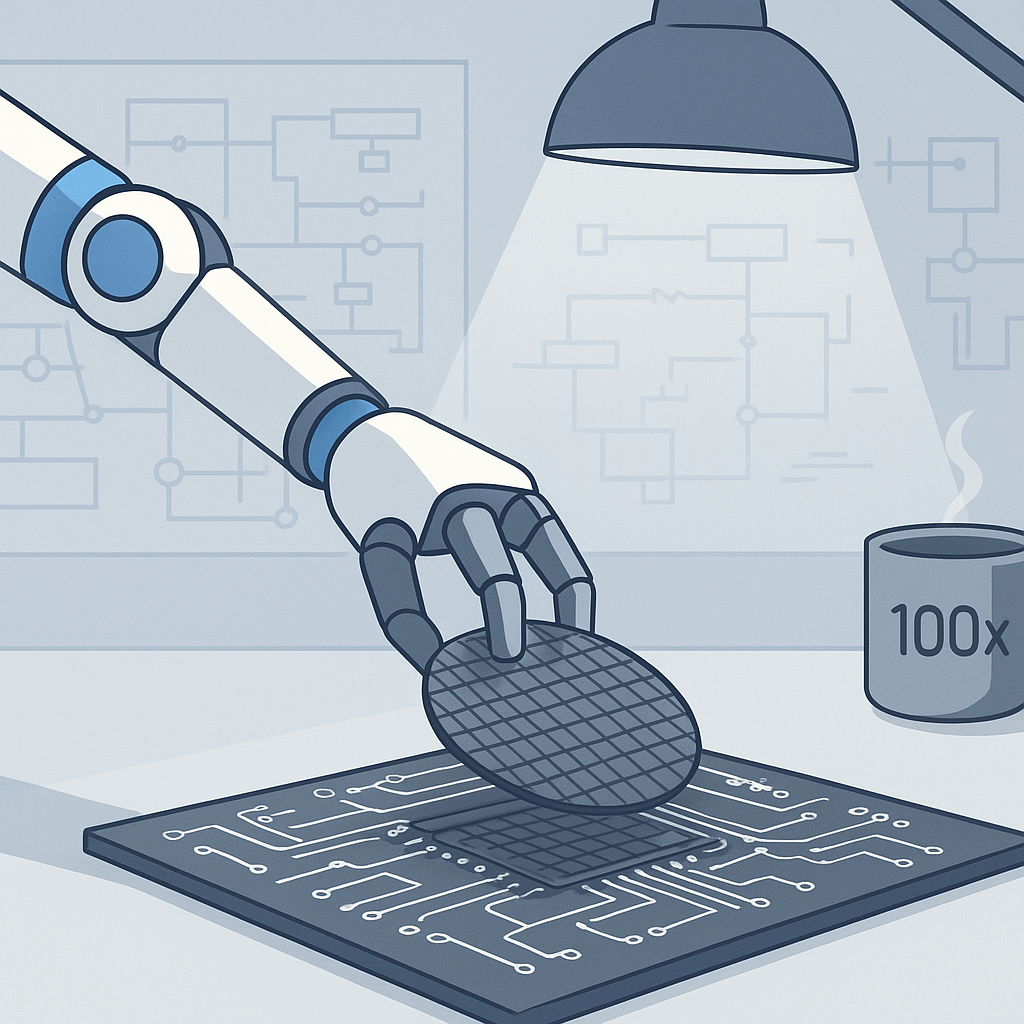
For years, AI’s energy appetite has been a growing concern—now consuming over 10% of U.S. electricity—and the problem only promises to worsen. Researchers claim to have cracked the code with a new system combining neural networks and human-like symbolic reasoning, slashing energy use by up to 100x while improving accuracy. The approach, described in a ScienceDaily report, promises to replace brute-force trial-and-error with logical decision-making, a shift that could redefine AI’s efficiency. [TechAnd analysis] suggests this isn’t just another incremental tweak but a potential paradigm shift—if it scales.
The demo, however, exists in a controlled lab environment, a detail often glossed over in breathless headlines. While the energy savings are real, the leap from lab benchmarks to real-world deployment remains unproven. Neural networks paired with symbolic reasoning isn’t entirely new; earlier attempts struggled with scalability and edge-case performance. This latest iteration appears to have addressed some of those limitations, but skepticism is warranted until independent researchers replicate the results. Source notes the system’s focus on robotics, leaving its applicability to large language models or data center workloads unclear.
The timing of this breakthrough isn’t coincidental. With AI’s energy consumption under scrutiny—especially from regulators and sustainability advocates—Big Tech has a vested interest in solutions that promise efficiency gains. Microsoft, Google, and Meta have all faced criticism for their AI data centers’ power demands, and a 100x reduction would be a PR coup. But as history shows, lab demos rarely translate to off-the-shelf products without significant trade-offs.
The real gap between lab benchmarks and data center reality📷 Published: Apr 7, 2026 at 02:04 UTC
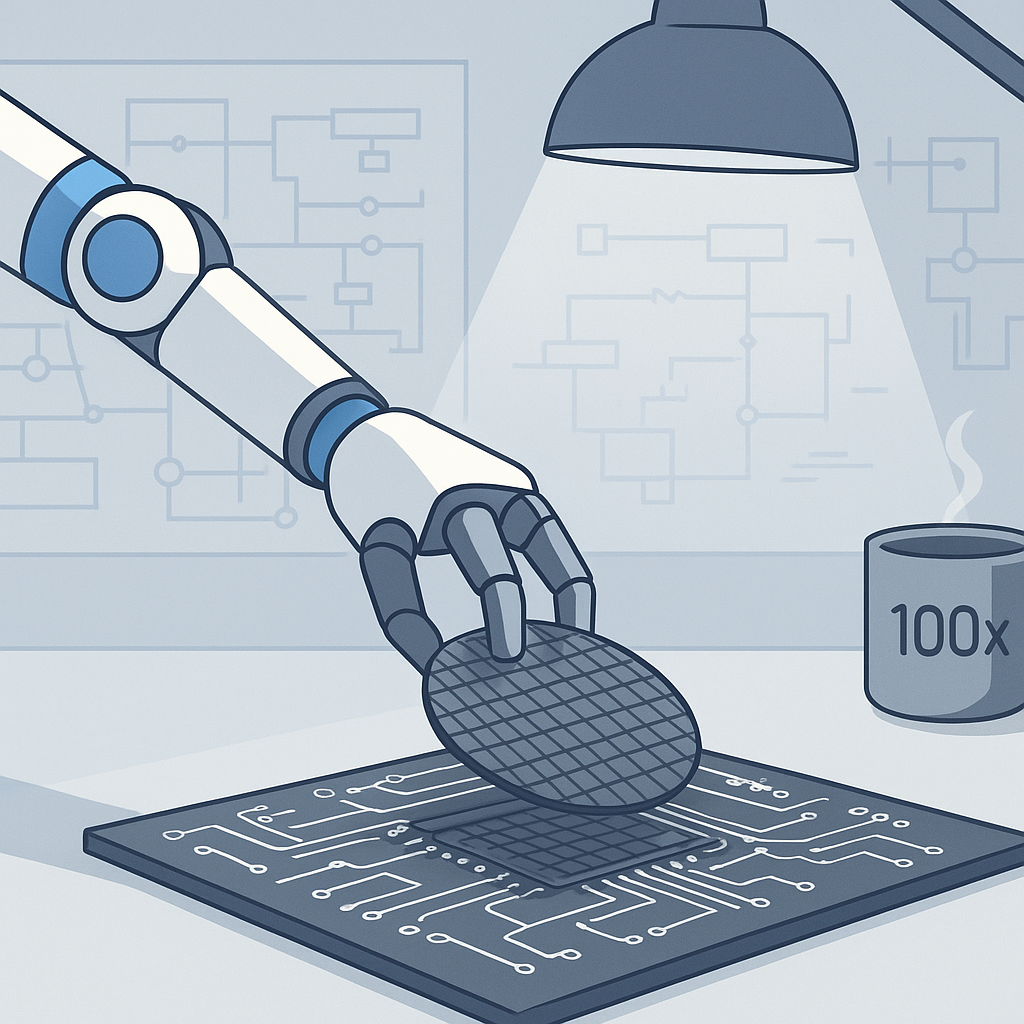
The real gap between lab benchmarks and data center reality
The industry implications are significant, but not evenly distributed. Companies with heavy robotics investments—like Boston Dynamics or Tesla—stand to benefit first, while cloud providers may lag unless the technology adapts to their workloads. Competitors without similar R&D budgets could find themselves at a disadvantage, especially if this method becomes a new standard for efficiency. [TechAnd’s industry map] suggests this could accelerate a bifurcation in the AI hardware market: specialized low-power chips for symbolic reasoning tasks versus traditional GPUs for brute-force computation.
Developer reactions have been mixed. Some on GitHub and technical forums applaud the innovation, while others question whether symbolic reasoning can handle the complexity of real-world AI tasks without sacrificing performance. The open-source community is watching closely, but so far, no major frameworks have adopted the approach. This hesitation underscores a broader industry caution: unless a breakthrough is easily integrable into existing pipelines, its impact remains limited.
The bigger question is whether this is a standalone solution or the first step toward a hybrid AI future. If symbolic reasoning can complement neural networks across domains, the energy savings could be transformative. But for now, the demo’s limitations—scope, scalability, and generalizability—keep it firmly in the ‘promising’ category rather than the ‘proven’ one. The real signal isn’t the 100x claim; it’s the shift in thinking about how AI ‘thinks’ in the first place.