EEG emotion recognition’s cross-dataset problem just got a patch
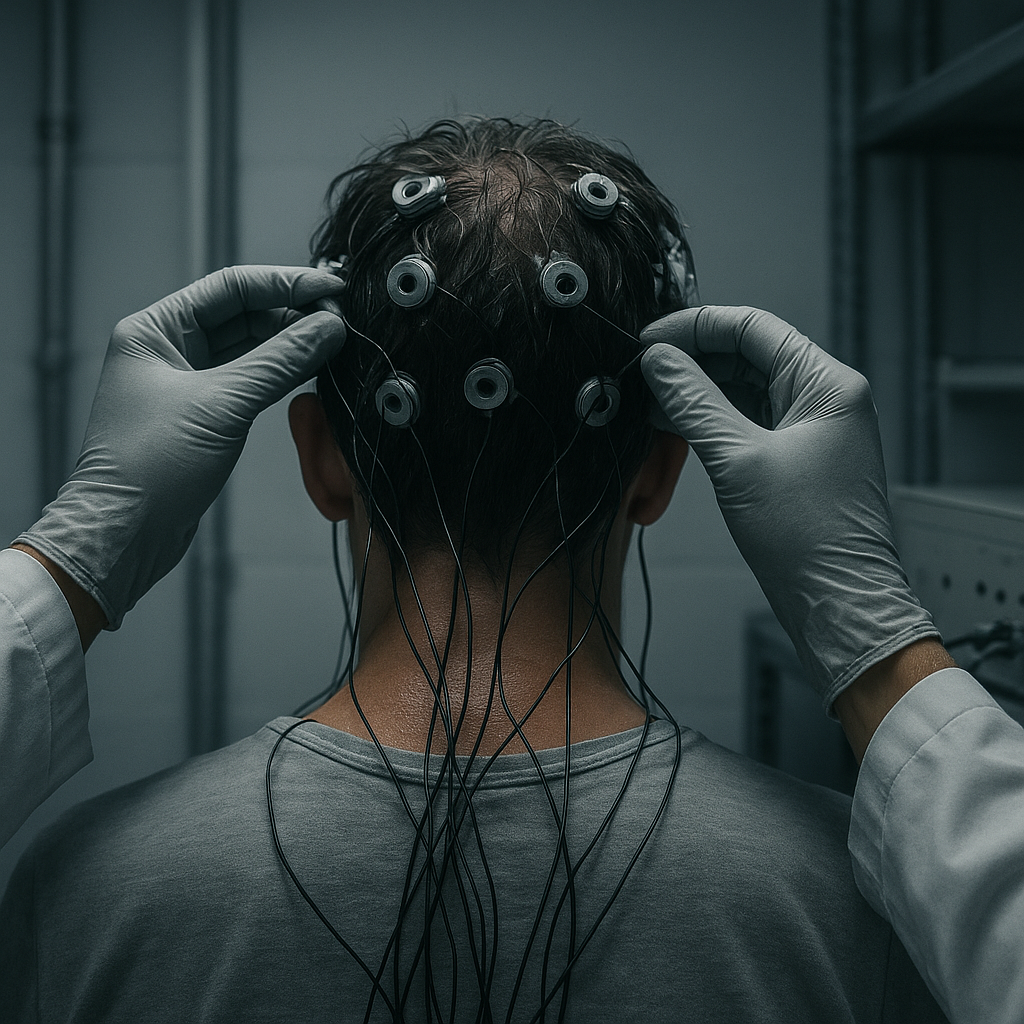
EEG emotion recognition’s cross-dataset problem just got a patch📷 Published: Apr 6, 2026 at 22:31 UTC
- ★PAA framework targets EEG’s cross-corpus collapse
- ★Prototype-driven alignment vs. global adversarial methods
- ★Benchmark gains don’t yet bridge the deployment gap
EEG-based emotion recognition has long been a poster child for AI’s transfer learning struggles—models trained on one dataset crumble when faced with another. Physiological noise, inconsistent devices, and mismatched experimental setups turn what should be a plug-and-play solution into a recalibration nightmare. The usual fix—global domain adversarial alignment—smooths over distribution shifts but ignores the finer problem: class boundaries warping under cross-dataset stress.
The new Prototype-driven Adversarial Alignment (PAA) framework claims to address this by anchoring alignment to class prototypes, not just marginal distributions. Its first instantiation, PAA-L, focuses on local class-conditional alignment, a step up from blunt global methods. Early arXiv benchmarks suggest gains, but the real test isn’t synthetic datasets—it’s whether this survives the jump to clinical or consumer-grade EEG hardware.
Developers in neurotech forums are watching closely, though skepticism lingers. Past attempts at cross-corpus EEG fixes have faltered on real-world variability, where ‘noise’ isn’t a benchmark footnote but the entire signal.
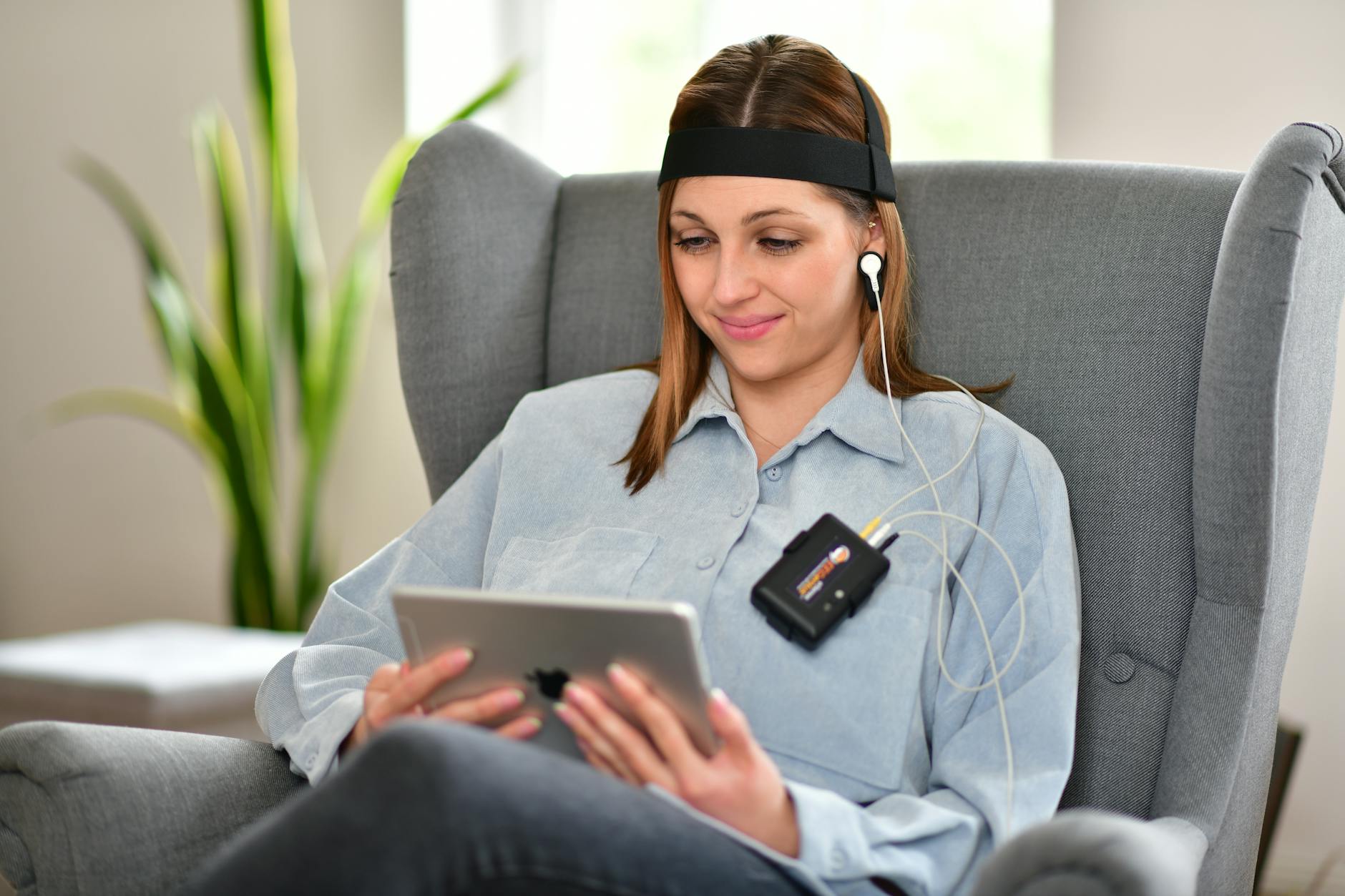
The hype: cross-dataset EEG emotion recognition. The reality: still a lab-bound fix.📷 Published: Apr 6, 2026 at 22:31 UTC
The hype: cross-dataset EEG emotion recognition. The reality: still a lab-bound fix.
The PAA framework’s two-stage rollout—PAA-L for local alignment, PAA-C for boundary refinement—mirrors a broader trend in domain adaptation: incremental fixes masked as breakthroughs. What’s genuinely new here isn’t the adversarial alignment concept (see: DANN, CDAN) but the prototype-driven twist. Whether that’s enough to outperform state-of-the-art baselines on real EEG data—not curated lab sets—remains unproven.
Industry-wise, this matters most to affective computing startups and neurofeedback device makers, who’ve been burned by cross-dataset failures before. If PAA delivers, it could shrink the calibration tax for companies like NeuroSky or Emotiv. But the paper’s silence on deployment costs—computational overhead, edge-device compatibility—is telling. For now, it’s a lab tool, not a product fix.
The community’s reaction? Cautious optimism, with a side of ‘show me the real-world F1 scores’.