NVIDIA’s robot hype vs. the reality of physical AI
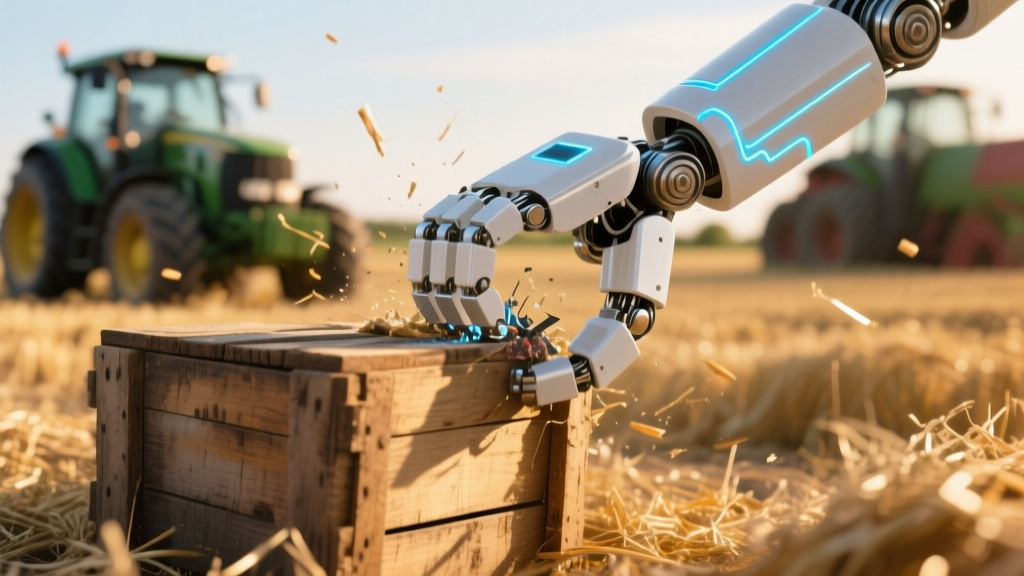
NVIDIA’s robot hype vs. the reality of physical AI📷 Source: Web
- ★Virtual-to-real robot training still hits deployment walls
- ★Agriculture and energy robots face unproven economics
- ★Developer reaction splits on simulation vs. real-world gaps
NVIDIA’s National Robotics Week showcase leans hard on the idea that AI’s physical revolution has arrived—this time for real. The pitch is familiar: robots trained in NVIDIA Omniverse simulations now seamlessly transition to warehouses, farms, and power plants. Except the fine print reveals what’s always been true: simulated agility ≠ real-world reliability.
The confirmed advancements—faster foundation models for robot learning, better physics engines—are incremental, not transformative. Early signals suggest manufacturing and agriculture are the prime targets, but as Boston Dynamics’ Spot proved, demo-ready doesn’t mean deployment-scalable. The real test isn’t whether a robot can pick a strawberry in a lab; it’s whether it can do so for 12 hours in a muddy field without a PhD supervisor nearby.
NVIDIA’s play here is textbook: bundle GPU sales with robotics R&D, then let partners shoulder the deployment risks. The Isaac Sim ecosystem is growing, but GitHub activity shows more forks of demo code than production-ready repos. That’s the tell: excitement peaks at the simulation layer, then fizzles when rubber meets road.
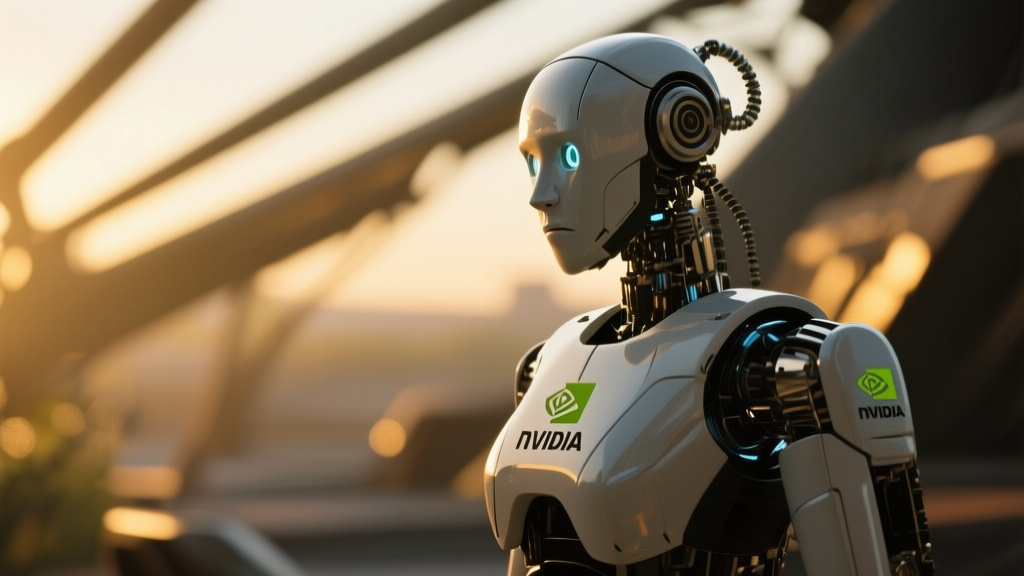
The gap between benchmark bots and field-ready machines📷 Source: Web
The gap between benchmark bots and field-ready machines
The industry map is clearer than the tech. NVIDIA wins either way—selling chips to train virtual robots and the ones that eventually (maybe) ship. Competitors like AMD and Qualcomm are playing catch-up, but their robotics stacks lack NVIDIA’s vertical integration. Meanwhile, startups burning through Series B cash to license Isaac Sim are betting on a future where simulation debt doesn’t bankrupt them.
Developers are split. Some praise the new reinforcement learning tools for cutting training time; others note the reality gap persists. A robot that navigates a perfect digital warehouse still fails on uneven floors or when a human drops a box in its path. The community’s quiet consensus? We’ve seen this movie before.
For all the noise about ‘physical AI,’ the actual story is simpler: NVIDIA is repackaging its GPU dominance as a robotics moat. The breakthroughs are real—but they’re enablement, not revolution. The bottleneck isn’t compute; it’s the messy, unstructured world where robots keep tripping over their own feet.