Microsoft’s superintelligence pivot: A CEO’s quiet reshuffle

Microsoft’s superintelligence pivot: A CEO’s quiet reshuffle📷 Source: Web
- ★Suleyman’s AI CEO role stripped down to superintelligence focus
- ★Mid-March restructuring reallocated duties, not just titles
- ★No benchmarks, no demos—just a strategic bet on AGI
Mustafa Suleyman’s job title at Microsoft just got a silent but significant downgrade. The company’s inaugural CEO of AI—a role created with fanfare—has quietly handed off operational duties to chase superintelligence, a term Microsoft hasn’t bothered to define beyond vague aspirations. This isn’t a promotion. It’s a pivot so narrow it borders on an admission: Microsoft’s AI strategy now hinges on a bet that AGI is the only race worth running.
The restructuring in mid-March 2024 wasn’t just administrative. Suleyman, a co-founder of DeepMind, has spent years positioning himself as the adult in the AI room—only to now focus exclusively on a goal so ambiguous that even OpenAI’s Sam Altman avoids pinning it to a timeline. Early signals suggest this isn’t about shipping products but securing a narrative foothold in the next phase of AI competition.
What’s missing? Any mention of how this superintelligence push differs from Microsoft’s existing Copilot investments or Google’s Gemini efforts. For now, it’s a slide deck and a reorg—classic corporate AGI theater.
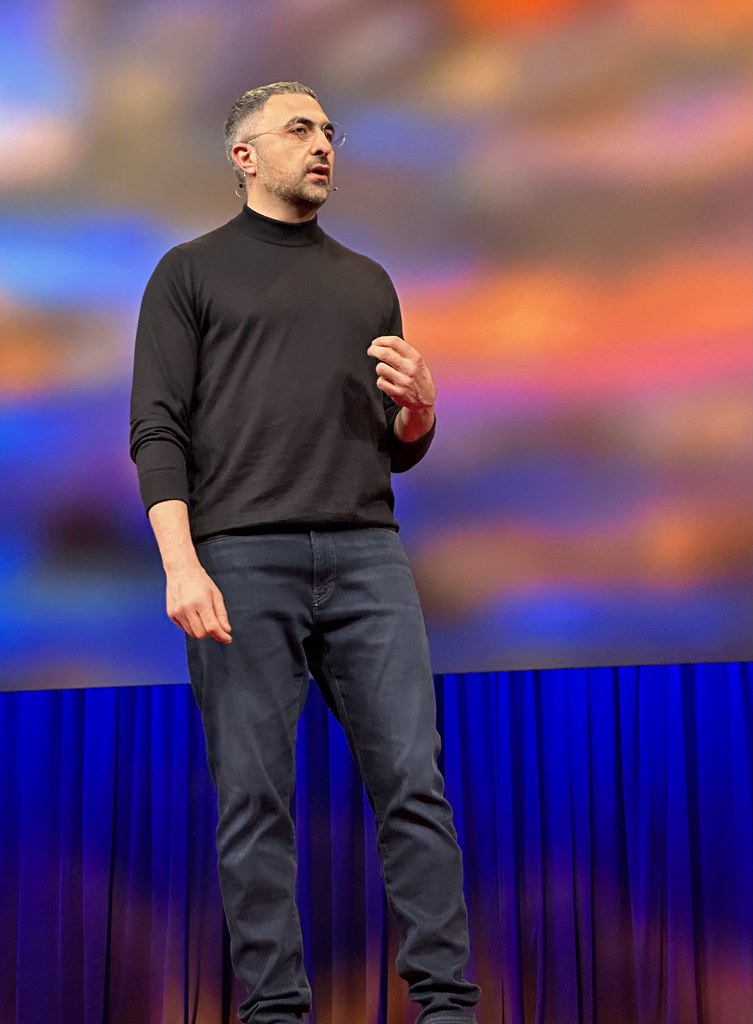
The gap between org charts and actual progress📷 Source: Web
The gap between org charts and actual progress
The real tell here isn’t the superintelligence buzzword but the reallocation of power. Suleyman’s prior duties—likely tied to applied AI—have been dispersed, suggesting Microsoft is consolidating its long-term bets under one executive while others handle the messy business of actually deploying AI. That’s a gambit: superintelligence research is a black hole for talent and compute, with no guaranteed ROI. Even DeepMind’s latest papers on agentic systems stop short of calling them AGI.
Developer reaction has been muted, which speaks volumes. GitHub trends show no surge in Microsoft-related AGI tooling, and technical forums are more focused on LLM fine-tuning than existential risks. The community’s indifference is its own signal: until there’s code or benchmarks, this is just another PowerPoint-driven arms race.
The competitive angle is clearer. Microsoft isn’t just chasing OpenAI or Google; it’s trying to own the pre-paradigm. By staking a claim on superintelligence now—before anyone knows what it looks like—they’re positioning themselves as the default enterprise partner for whenever (or if ever) AGI arrives. It’s less about technology and more about cornering the market on hype.