Neuro N6: Another Arduino board chasing Vision AI hype?

Neuro N6: Another Arduino board chasing Vision AI hype?📷 Source: Web
- ★Arduino-compatible board targets low-power Vision AI
- ★No benchmarks, no manufacturer—just marketing claims
- ★Mobile AI’s reality gap: demo vs. deployment
The Neuro N6 arrives with the usual fanfare: a compact, Arduino-compatible board purpose-built for Vision AI, low power consumption, and neural network support. On paper, it checks every box for edge AI’s current obsession with tiny, efficient inference engines. But the devil—always—is in the deployment details, and here, the details are conspicuously absent.
NotebookCheck’s snippet omits the two things that actually matter: who made this, and how it performs against the Raspberry Pi CM4 or NVIDIA Jetson Orin Nano. ‘Optimized for Vision AI’ is a phrase that’s lost meaning faster than a startup’s burn rate—see also: Qualcomm’s AI hubris or Intel’s ‘AI PC’ rebranding. Without real-world latency numbers or power draw under load, ‘low consumption’ is just a press release placeholder.
The Arduino compatibility is the one concrete hook here. If the N6 plays nicely with existing shields and libraries, it could carve out a niche among hobbyists building TinyML projects. But ‘could’ isn’t a benchmark. The community’s reaction—so far muted on GitHub and forums—suggests skepticism, not excitement. That’s the sound of developers waiting for proof, not promises.
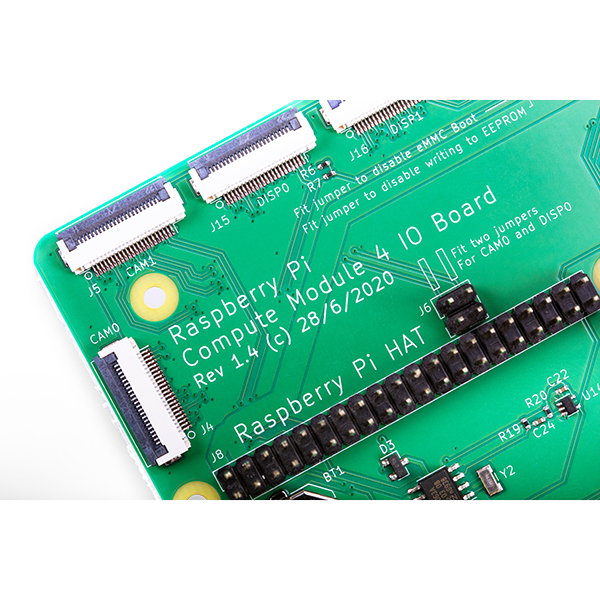
The gap between ‘optimized for AI’ and ‘actually useful’📷 Source: Web
The gap between ‘optimized for AI’ and ‘actually useful’
Let’s talk about the real bottleneck: deployment. Vision AI on edge devices isn’t just about FLOPS per watt—it’s about framework support, quantization tools, and whether your model actually fits in the 256MB of RAM you’re allotted. The N6’s specs (still unpublished) had better address these, or it’s just another board collecting dust next to the Google Coral in a maker’s drawer.
The competitive landscape is already crowded. NVIDIA’s Jetson line owns the high end, Raspberry Pi dominates the budget tier, and ESP32-based boards are eating the ultra-low-power segment. Where does the N6 fit? If it’s positioning as a ‘mobile’ solution, it’s competing with smartphones that already run MediaPipe models at 30fps. Without a clear advantage—price, performance, or ecosystem—the N6 risks being a footnote in the 2024 Edge AI Report.
The most telling detail? No company name attached. That’s either stealth-mode genius or a red flag. In the meantime, developers are left parsing marketing language for signals. ‘Optimized for Vision AI’ might just mean ‘we included a camera connector.’