Google Vids’ AI upgrade: Veo, Lyria, and the avatar hype
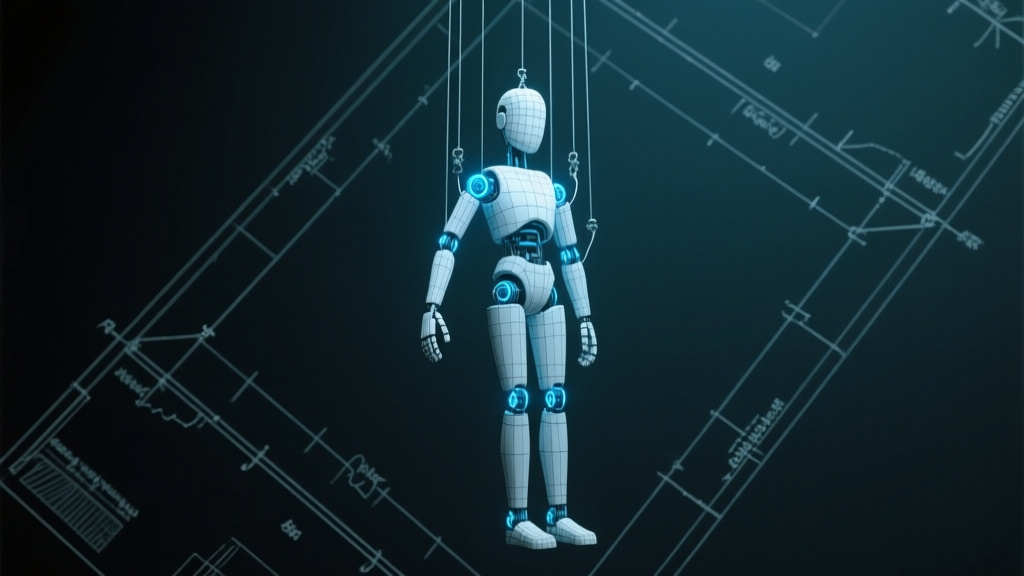
A 3D wireframe avatar suspended by mathematical rigging strings within an asymmetric, diagonally-composed blueprint, rendered in clean precision📷 Photo by Tech&Space
- ★Veo and Lyria models bundled into Google Vids
- ★Directable AI avatars—demo vs. deployment gap
- ★Competitive move against Runway and Pika Labs
Google Vids just got its expected AI polish, but the real question isn’t whether the tools are impressive—it’s whether they’re useful. The upgrade folds in Veo, Google’s video generation model, and Lyria, its audio counterpart, alongside the headline-grabbing «directable AI avatars.» On paper, this looks like a consolidated strike against fragmented workflows. In practice, it’s another bet on Google’s ability to out-integrate rivals like Runway or Pika Labs.
The avatars are the flashiest addition, promising fine-grained control over expressions and movements. Early demos show eerily smooth lip-sync and gesture tracking—yet as Ars Technica notes, these are still demos. The gap between a scripted showcase and a tool that doesn’t glitch under real-world lighting or audio noise remains unmeasured. Google’s track record with AI-powered creative tools suggests polished previews but inconsistent deployment.
What’s actually new here? Veo and Lyria weren’t built yesterday, and «directable» avatars echo features already in HeyGen or Synthesia. The play isn’t innovation—it’s bundling. Google’s pitching this as a one-stop shop for «AI creation,» but the value hinges on whether the seams between models hold up under professional workloads.

Google Vids’ AI upgrade: Veo, Lyria, and the avatar hype📷 Photo by Tech&Space
The gap between benchmark demos and production tools
The competitive math is straightforward: Google’s betting its vertical integration will outpace startups piecing together niche tools. For creators, the pitch is seductive—no more juggling subscriptions for video, audio, and avatars. For rivals, it’s a margin squeeze. Runway’s Gen-3 Alpha still leads on raw generation quality, but Google’s ecosystem play could lure enterprises tired of stitching together APIs.
Developer reaction has been muted so far. GitHub and Hacker News threads focus less on the tools and more on the lack of transparent benchmarks. One commenter flagged the absence of latency data for avatar rendering—a critical omission for live-use cases. Another noted Veo’s output still lags behind Stable Video Diffusion in independent tests. The community’s skepticism isn’t about capability; it’s about proof.
The bigger tell? Google’s framing this as a «creation» tool, not a productivity one. That’s code for «we’re targeting marketers and YouTubers first.» Professional studios will wait for stress-test results—especially on the avatars, where uncanny valley missteps are career-ending. For now, this upgrade is less about redefining workflows and more about owning the pipeline before someone else does.