Cursor 3’s ‘agent-first’ IDE: Hype or a real shift in coding?
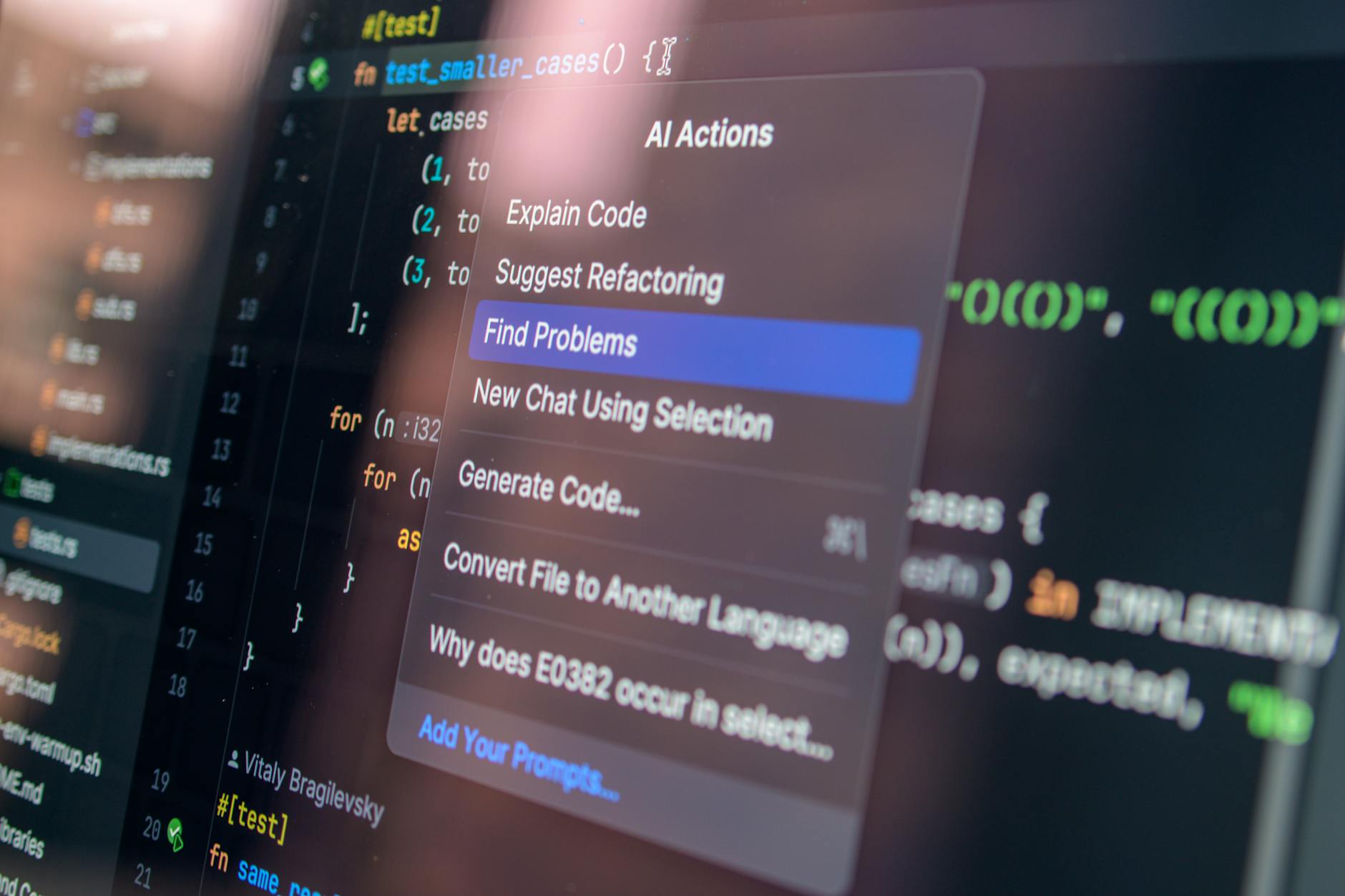
Cursor 3’s ‘agent-first’ IDE: Hype or a real shift in coding?📷 Source: Web
- ★Classic IDE layout replaced by parallel AI agents
- ★Shift from manual editing to AI delegation
- ★Developer reaction splits between skepticism and cautious optimism
Cursor’s latest update doesn’t just tweak the IDE—it dismantles it. Version 3 replaces the familiar file-tree-and-editor layout with an interface built around AI agents running in parallel, a move the company claims will transition developers from writing code to orchestrating it. The pitch is seductive: less manual debugging, more high-level delegation. But as The Decoder’s coverage notes, this isn’t the first time an IDE has promised to automate away the drudgery of coding.
The real test isn’t whether the agents can generate code—it’s whether they can handle the messy, iterative reality of production work. Early demos show agents collaborating on tasks like refactoring or API integrations, but GitHub discussions reveal skepticism about edge cases: dependency conflicts, legacy system quirks, or the kind of ‘it works on my machine’ bugs that define real-world dev. Cursor’s bet hinges on agents being more than glorified autocomplete.
This isn’t just a UI overhaul; it’s a gambit to redefine the developer’s role. The company’s roadmap suggests future versions will let teams deploy fleets of specialized agents (e.g., one for security, another for performance). If it works, it could pressure incumbents like GitHub Copilot to evolve beyond single-file suggestions. If it doesn’t, it’s just another ‘AI-first’ interface that collapses under the weight of its own ambitions.
The gap between demo promises and deployment reality📷 Source: Web
The gap between demo promises and deployment reality
The competitive ripple effect is already visible. JetBrains’ AI Assistant still clings to a traditional IDE framework, while Amazon’s CodeWhisperer focuses on enterprise compliance—neither has embraced Cursor’s agent-centric approach. That leaves Cursor in a risky but strategic position: either the market follows, or it’s stranded as a niche experiment for early adopters.
Developer signals are mixed. Some Hacker News threads dismiss it as ‘vaporware until it handles my monorepo,’ while others note the potential for junior devs to offload boilerplate. The open-source community, however, remains quiet—no major forks or integrations yet, a telling absence for a tool positioning itself as the future.
Cursor’s playbook mirrors the broader AI tooling trend: sell the vision first, let the product catch up later. The company’s blog emphasizes ‘agentic workflows,’ but the fine print admits most features are ‘in active development.’ In other words, this is less a finished product than a public beta for a hypothesis: Can coding be reduced to prompt engineering?