Codex on Windows: 1.6M users and the same old hype

Codex on Windows: 1.6M users and the same old hype📷 Source: Web
- ★Windows native support finally arrives—after Mac’s 1M-week debut
- ★1.6M weekly actives mask real developer adoption patterns
- ★GitHub Copilot’s shadow looms over OpenAI’s coding play
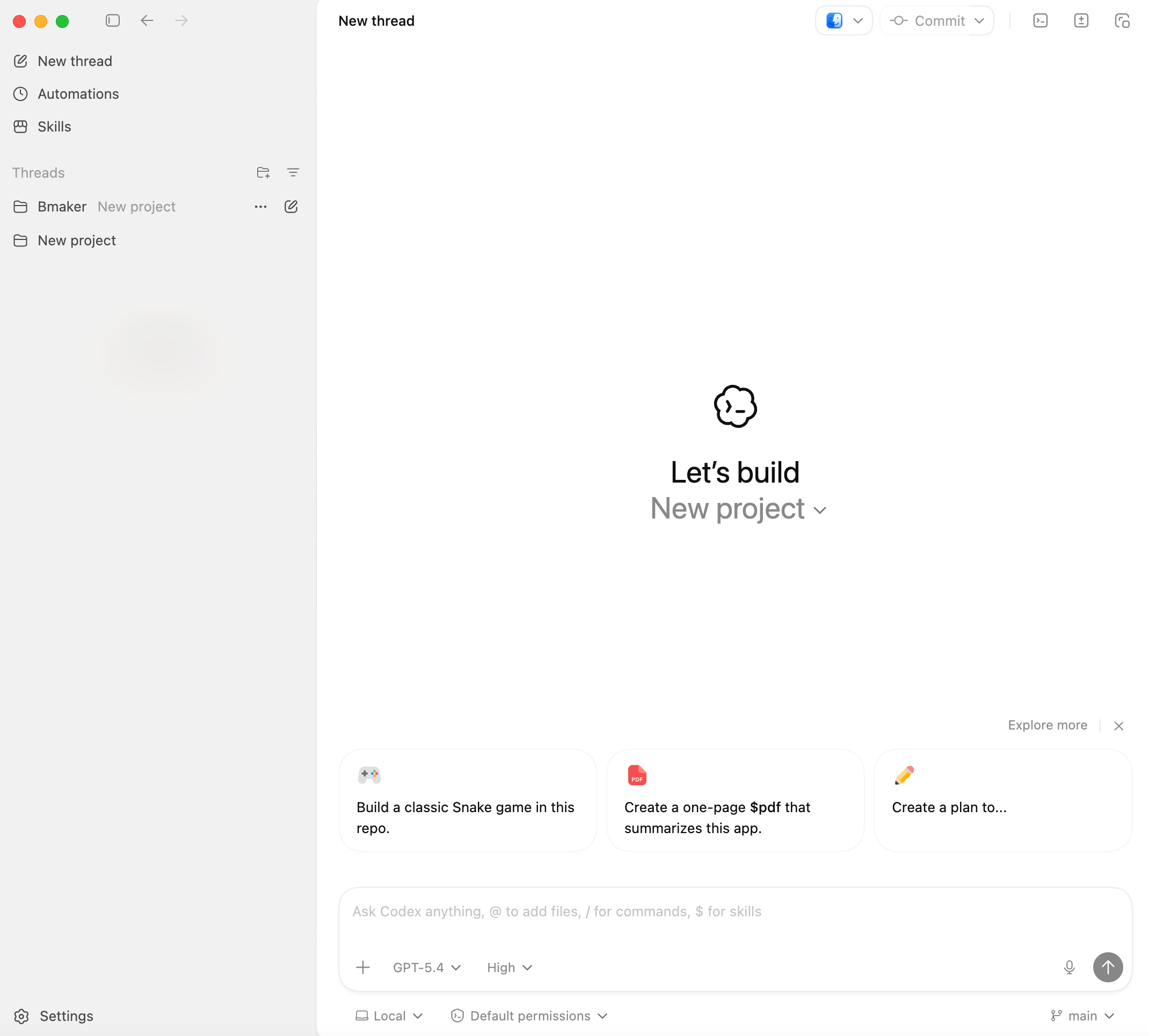
OpenAI’s Codex app for Windows isn’t just late to the party—it’s arriving after the Mac version raked in over a million downloads in seven days, a stat that sounds impressive until you recall GitHub Copilot’s 1.3M paid users last year. The Windows release, now with native environment support, targets the 70% of developers still stuck in Microsoft’s ecosystem—but the real question isn’t platform parity. It’s whether Codex can escape the gravity of being yet another assistant in a market where JetBrains’ AI tools and Amazon’s CodeWhisperer already blend into the IDE background.
The 1.6 million weekly active users OpenAI cites? That’s a synthetic benchmark until we see retention curves. Early adopters—especially those chasing the next productivity miracle—will inflate numbers, but the Stack Overflow Developer Survey suggests most coders still treat AI pair programmers like a fancy autocomplete. Native Windows support fixes a glaring omission, yet the real deployment gap remains: how many teams will trust Codex for anything beyond boilerplate, given its documented hallucination rates on edge cases?
OpenAI’s play here is less about innovation and more about table stakes. The Mac launch was a PR coup; Windows is damage control for enterprise adoption. But the hype cycle demands we ask: is this a product or a loss leader to keep developers inside OpenAI’s ecosystem while the real money flows from API calls?
📷 Published: Mar 30, 2026 at 24:55 UTC
The gap between download metrics and actual workflow integration
The developer community’s reaction has been predictably bifurcated. On Hacker News, the usual suspects either praise the Windows release as ‘finally usable’ or dismiss it as ‘Copilot with extra steps.’ GitHub’s own telemetry shows that even power users toggle AI assistants off for critical path work—suggesting Codex’s ceiling isn’t technical but cultural. OpenAI’s advantage, if any, lies in branding: ‘Codex’ still carries the cachet of GPT-4’s early demos, while competitors struggle to escape the ‘me-too’ label.
Industry-wise, Microsoft is the silent winner here. Azure hosts OpenAI’s models, and VS Code’s tight integration with Codex means Redmond gets to monetize both the cloud and the IDE layer. For everyone else—GitHub (owned by Microsoft), JetBrains, or AWS—the game is now about bundling AI tools so seamlessly that developers forget they’re using them. That’s the irony: the louder OpenAI shouts about Codex, the more it risks becoming just another checkbox in a vendor comparison spreadsheet.
The real signal isn’t the download count or the Windows port. It’s that OpenAI is playing defense in a market where the incumbents (Microsoft, JetBrains) control the distribution channels. Codex’s success hinges not on its model’s capabilities but on whether OpenAI can convince developers to switch workflows—not just install another plugin.