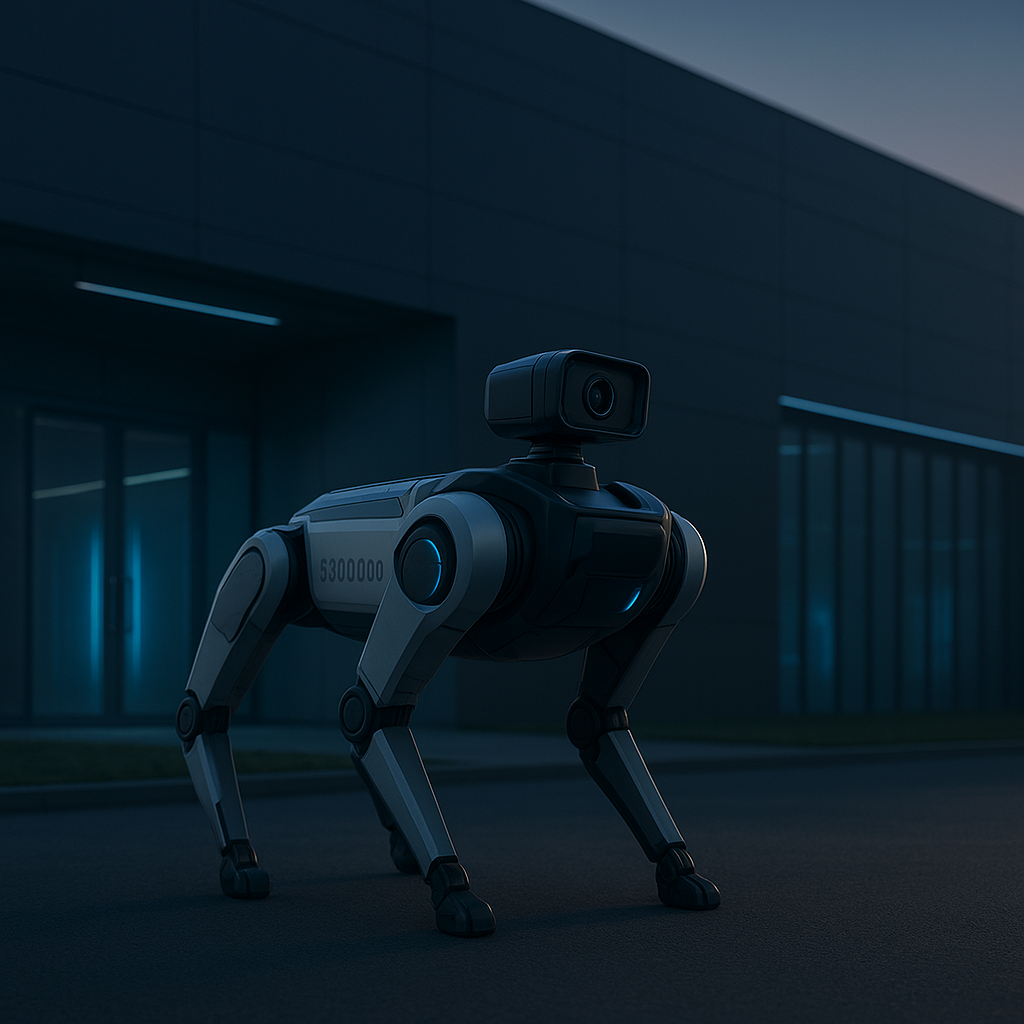
A single robotski pas, with a camera on its back, standing guard in front of a sleek, modern data center at dusk, with a subtle glow of electric blue📷 Photo by Tech&Space
- ★AI data centers deploy Spot-like bots at $300K apiece
- ★Surveillance creep outpaces civil use cases—again
- ★Autonomy hype meets real-world security theater
Boston Dynamics’ Spot costs $74,500—so when a customized, camera-mounted variant hits $300,000, you know someone’s paying for more than agility. That someone? AI companies, now using autonomous quadrupeds to patrol data centers where proprietary models and training datasets live. The irony isn’t lost: tools built to advance AI are now being weaponized to protect it from leaks, theft, or sabotage.
The shift from lab curiosity to corporate enforcer tracks with AI’s escalating paranoia. Training data is the new oil, and leaks like Meta’s 2023 LLaMA debacle proved even closed systems aren’t airtight. Enter the robot dogs—mobile, networked, and marketed as ‘autonomous’ (read: remotely piloted with a veneer of AI). Their deployment isn’t about innovation; it’s about control.
Early adopters frame this as a cost-saving measure over human guards, but the math’s fuzzy. A $300K bot’s amortization period stretches years, and real-world autonomy still requires human oversight for edge cases. The actual sell? Deterrence theater. A robotic sentinel with a 360-degree camera sends a clearer message than a badge-wearing rent-a-cop: This data is worth guarding like a bank vault.
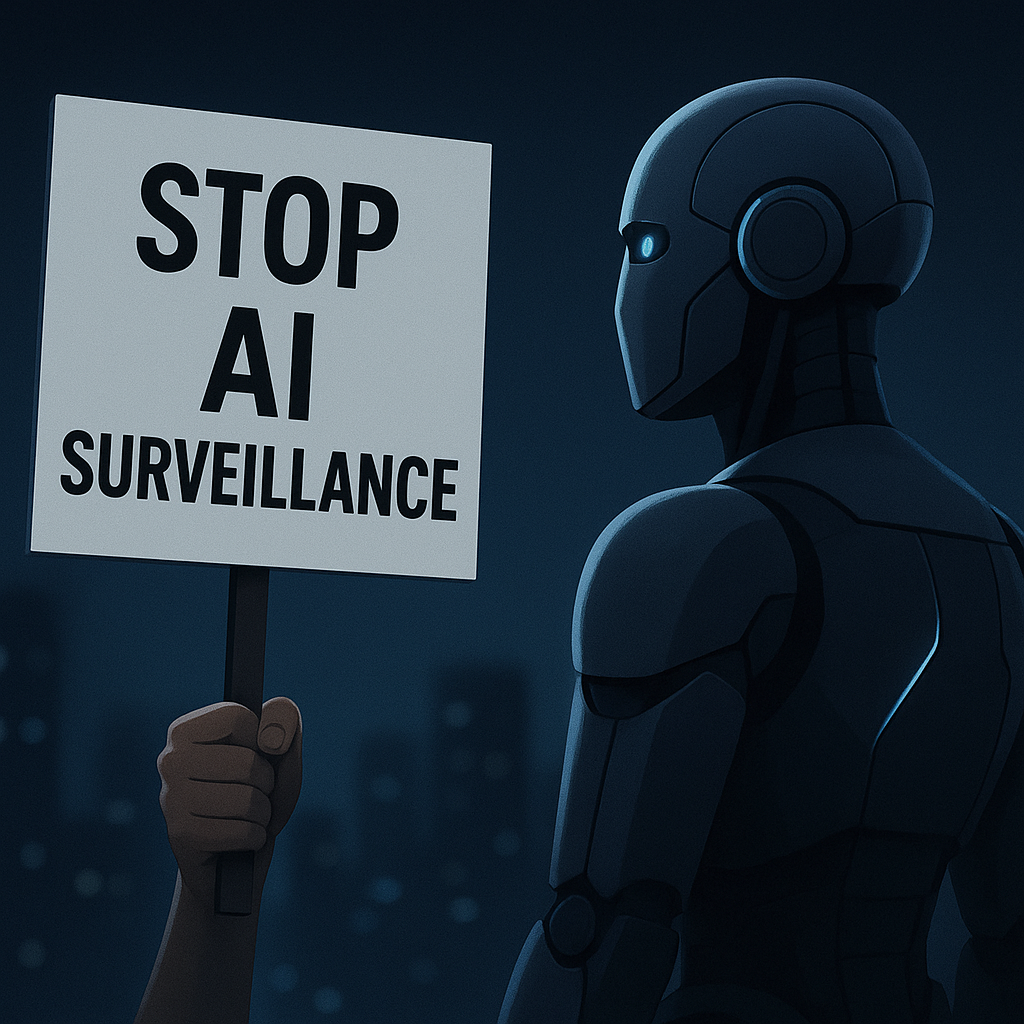
A protesters' sign reading 'Stop AI Surveillance' being held up in front of a robotski pas, which is standing in the background, looking away, with a📷 Photo by Tech&Space
From lab novelty to corporate muscle: who benefits when robots police AI?
The industry map here is predictable. Startups like Knightscope (already selling ‘autonomous security robots’ to malls and schools) see validation; legacy security firms scramble to add ‘AI-powered’ to their brochures. Meanwhile, the open-source community’s reaction ranges from GitHub snark (‘Cool, so Skynet’s first job is asset protection’) to genuine concern over mission creep. These bots weren’t designed for this—but then, neither were facial recognition systems or predictive policing tools.
The reality gap yawns wide. Demos show Spot opening doors and climbing stairs, but deployment footage reveals slower, scripted patrols with human handlers nearby. The ‘autonomy’ is a thin layer over teleoperation, and the $300K price tag buys customization (thermal imaging, biometric scans) more than breakthrough tech. Competitive advantage? Maybe—for firms that can afford to turn security into a luxury flex.
Watch the secondary effects: insurance premiums for data centers with ‘robot-enhanced’ security, or lawsuits when a bot misidentifies a janitor as a threat. The real signal isn’t the tech—it’s the desperation. AI’s biggest players are so terrified of losing their edge, they’re willing to pay six figures per unit for what’s essentially a mobile tripwire with branding.